
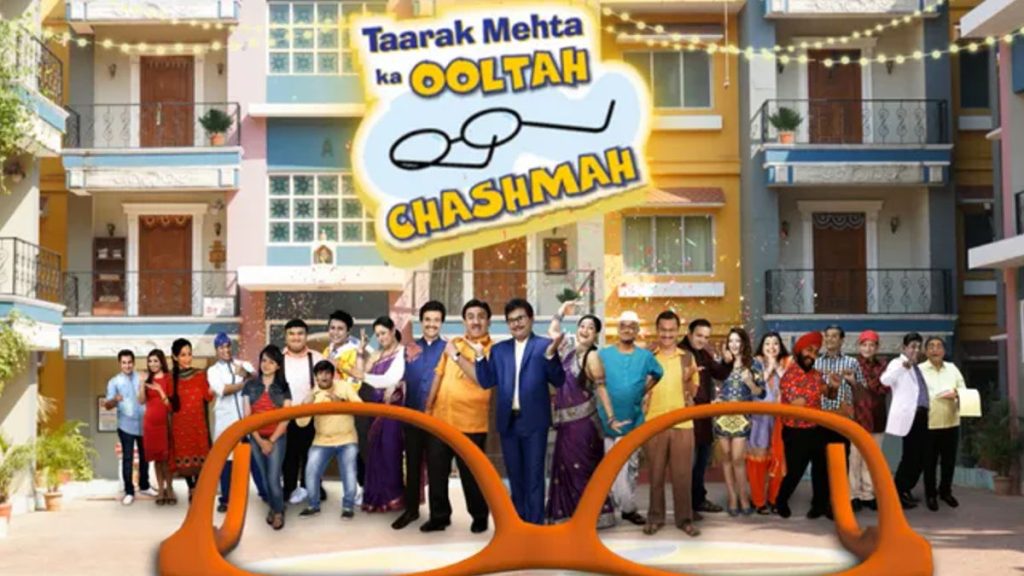
Short answer: Gen Z in India is rewatching Taarak Mehta Ka Ooltah Chashmah (TMKOC, on air since 2008) as comfort content, not high-stakes entertainment. The show’s predictable structure, low-stakes humour and warm Gokuldham Society dynamics offer a mental reset from algorithmic burnout. Clips of Jethalal and Dayaben dominate Reels and Shorts, turning the sitcom into ironic, self-aware meme fuel.
In a world obsessed with fast-paced content, plot twists, and adrenaline-fueled entertainment, you’d think Gen Z would be the last cohort reaching for a sitcom that’s been running since 2008. And yet here we are. Taarak Mehta Ka Ooltah Chashmah (TMKOC) is making a quiet comeback among younger Indian viewers, not as cutting-edge comedy but as a tool for de-stressing.
So what’s pulling India’s most digitally native generation toward a show built on slapstick humour and simple moral lessons? Let’s get into it.
Why is Gen Z gravitating toward comfort content?
The Need for Mental Reprieve
Gen Z is tired. Not just physically, but mentally and emotionally drained from being always “on.” Whether it’s the pressure to hustle, stay updated on trends, or curate a digital persona on Instagram and LinkedIn, the cognitive load doesn’t ease up. This generation is constantly switching between real-world stress and online chaos.
That’s where TMKOC steps in. The show, with its repetitive structure, predictable jokes and warm neighbourhood dynamics, offers a rare space where the brain doesn’t have to work hard. No guessing. No plot anxiety. No cliffhangers. Just 20 minutes of familiar faces sorting out life’s minor annoyances with exaggerated expressions and feel-good resolutions.
Why does TMKOC’s clean humour land so well?

A Kinder, Gentler Laugh
Most popular comedy today runs on sarcasm, dark undertones, or edgy takes on social issues. And while that has its audience, not everyone wants to think deeply or be politically outraged at 11 p.m. on a Thursday. TMKOC’s humour is wholesome, clean, non-confrontational.
It doesn’t punch down. It doesn’t lean on trauma or current events. Instead it finds joy in the mundane: leaky pipes, gossip in Gokuldham Society, Jethalal’s hilarious excuses, Bhide’s obsessive society rules. For a generation getting hammered by overstimulating content, the childlike simplicity of this humour offers a much-needed mental reset.
Why has TMKOC turned into nostalgic meme fuel?
Rewatch Culture & Meta-Memes
Most Gen Z viewers didn’t grow up watching Taarak Mehta religiously, but plenty of them had it playing in the background during family dinners or lazy afternoons at their grandparents’ place. That ambient exposure has hardened into a nostalgic connection, much like how Western Gen Zers binge Friends or The Office.

But there’s more. TMKOC has become a meta-meme. Clips of Jethalal’s iconic expressions, Dayaben’s “Hey Maa Mataji!” or society members chasing each other over absurd misunderstandings have flooded YouTube Shorts and Instagram Reels. These aren’t simple recycled scenes, they’re being reinterpreted, subtitled and remixed into humour that fits Gen Z’s ironic, self-aware sensibility.
How does TMKOC offer escape from the overstimulated internet?

Slowing Down in a Fast World
Gen Z gets stereotyped as having low attention spans, but that’s only partly true. What they actually crave is intentional content consumption, especially when life turns up the volume.
Between TikTok’s rapid-fire format and the emotional weight of OTT dramas, there’s very little in between. TMKOC, with its deliberate pacing, soft lighting and absence of digital noise, is the antidote to content fatigue.
Watching the show feels almost analog. No filters, no edits, just slow exaggerated acting and simple storylines. For a generation raised on algorithmic dopamine, this slow-TV format offers a paradoxical kind of peace, a mini digital detox without switching off entirely.
How does TMKOC support mental wellness?

TMKOC as Background Therapy
Mental wellness is top of mind for Gen Z. Whether it’s journaling, therapy or mindful content consumption, this generation is more aware of their emotional triggers than any cohort before them.
Shows like TMKOC, which demand very little emotionally but give back in lightness, play a surprising role here. Many viewers use it as a post-study wind-down, a decompression tool after doom-scrolling, or comforting background noise while eating dinner. It’s predictable, it doesn’t demand emotional investment, and it leaves you with a faint smile.
As 19-year-old Sneha, a student from Mumbai, puts it:
“After a long day of classes and freelance work, I don’t want to watch something that gives me more anxiety. Taarak Mehta just helps me zone out and feel like I’m not alone.”
Why are TMKOC characters becoming meme icons?
When Characters Become Culture
If Jethalal were a real person, he’d probably have a meme account with 100k followers. TMKOC’s cast has evolved into relatable internet icons, whether it’s Gokuldham Society’s obsession with group activities or Popatlal’s perpetual singlehood.
Gen Z isn’t only watching the show; they’re remixing it, poking fun at it, and ironically celebrating it. The ironic appreciation of over-the-top acting, dramatic sound effects and exaggerated dialogues has become its own cultural movement.
The Joke’s on Stress

At first glance, Gen Z’s affection for a dated sitcom like Taarak Mehta Ka Ooltah Chashmah seems contradictory to their aesthetic, edgy internet presence. But dig deeper, and it makes perfect sense.
In a world that constantly demands emotional, cognitive and digital engagement, shows like TMKOC offer a sanctuary. They ask for nothing and give back a sense of belonging, routine, comic relief. In choosing comfort over chaos, Gen Z isn’t regressing, they’re intentionally creating emotional space for themselves.
A Call to Chill
So next time you find yourself spiraling in the YouTube rabbit hole or fried after back-to-back Reels, give TMKOC a shot. Whether it’s Jethalal’s misadventures or Dayaben’s garba outbursts, you might just find a strange, soothing peace in the madness.
And if you’re already watching it? Embrace the comfort. Sometimes, healing starts with a laugh track and a familiar face.
FAQs about Gen Z and Taarak Mehta Ka Ooltah Chashmah
Why is Gen Z watching Taarak Mehta Ka Ooltah Chashmah to de-stress?
Gen Z viewers are using TMKOC as comfort content because the show’s predictable structure, low-stakes humour and warm Gokuldham Society dynamics demand almost no emotional investment. After hours of doom-scrolling or high-pressure work, the brain doesn’t have to track plot twists or process trauma, it just gets 20 minutes of familiar faces solving small problems.
When did Taarak Mehta Ka Ooltah Chashmah first air?
TMKOC has been on air since 2008. Many Gen Z viewers grew up with it playing in the background at family dinners or at their grandparents’ place, which is why the show now functions as nostalgic comfort content rather than appointment viewing.
How are TMKOC clips trending on Instagram Reels and YouTube Shorts?
Iconic moments, Jethalal’s expressions, Dayaben’s “Hey Maa Mataji!”, society members chasing each other, get clipped, subtitled and remixed into ironic memes. Gen Z’s self-aware humour treats the show’s exaggerated acting and dramatic sound effects as the joke itself, fueling a meta-meme culture around the cast.
Is TMKOC actually good for mental health?
It isn’t a substitute for therapy, but several Gen Z viewers describe it as “background therapy”, low-demand content that helps them decompress after study sessions or work. As 19-year-old Sneha from Mumbai puts it, the show helps her zone out and feel less alone, which is exactly the mental reset many young Indians are reaching for.
Why does Gen Z prefer slow comedy like TMKOC over edgy modern shows?
Edgy comedy often relies on sarcasm, dark themes or political outrage, which can add to cognitive load rather than relieving it. TMKOC’s wholesome, non-confrontational humour and analog pacing offer a paradoxical kind of peace, a mini digital detox without switching off entirely.