

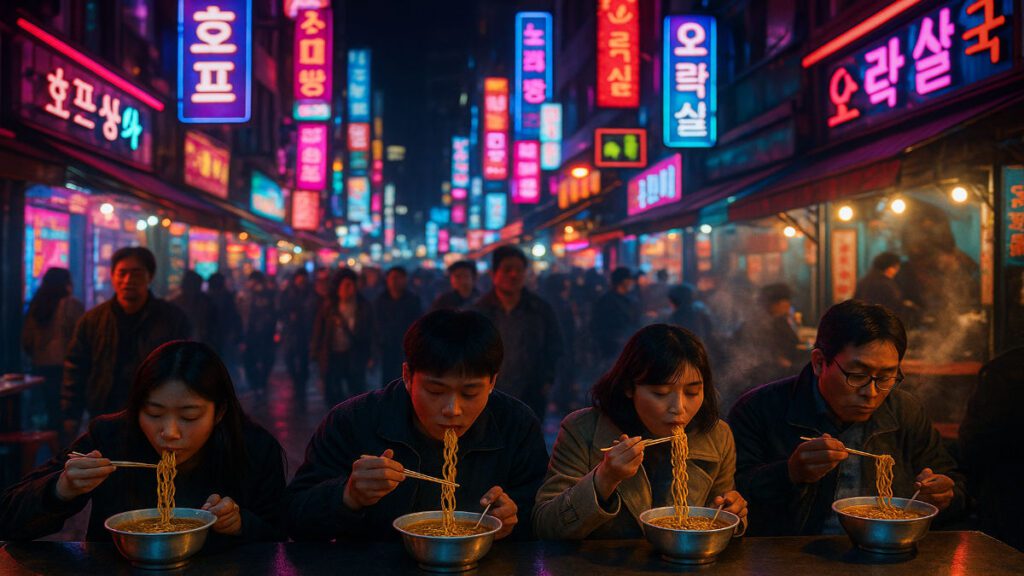
Short answer: Korean food is now a Gen Z obsession in India. Ramen, tteokbokki, bubble tea, and kimchi have moved from niche restaurants to Swiggy, Zomato, and supermarket shelves, with analysts estimating 50%+ year-on-year growth on delivery platforms. Brands like ITC, Maggi, Domino’s, and Wendy’s are chasing the trend while young Indians treat food as identity.
Scroll through Instagram reels or TikTok and you will land on a steaming ramen bowl, stretchy cheese pulled from spicy tteokbokki, or friends clinking bubble tea cups. Korean food has gone from exotic curiosity to a youth obsession in India, and Gen Z is driving that shift.
This generation isn’t only eating food; they’re eating culture through food. Just as anime reshaped screen time and K-Pop redefined playlists, Korean cuisine is quietly changing how young Indians eat, socialise, and express identity.
Why does Gen Z love Korean food?
Pop culture influence
K-dramas and K-Pop shows often build scenes around food. Characters bond over late-night ramen, idols celebrate with fried chicken, families gather around BBQ grills. For fans, tasting these dishes is a way of bringing fiction into reality, a direct link to the worlds they follow on screen.
Social media buzz
Gen Z thrives on aesthetics. A neatly shot ramen bowl or a pastel bubble tea fits the Instagram lifestyle. Food creators amplify this through mukbangs (eating shows), DIY ramen hacks, and “first-time trying Korean food” reactions that push curiosity further.
Accessibility through apps
Not long ago, Korean food meant a trip to a niche restaurant in Delhi or Mumbai. Today, apps like Swiggy and Zomato show a spike in orders for Korean buns, kimbap rolls, and ramen, even in smaller cities. Grocery chains stock kimchi jars and instant ramen packs, while e-commerce sites sell imported sauces.
The fusion factor
Indian Gen Z loves fusion experiments. Viral examples include kimchi Maggi, dosa with spicy Korean mayo, and samosas dipped in gochujang. This playful mixing makes Korean food less intimidating and far more relatable.
Which Korean food businesses are on the rise?
Restaurants and cafés
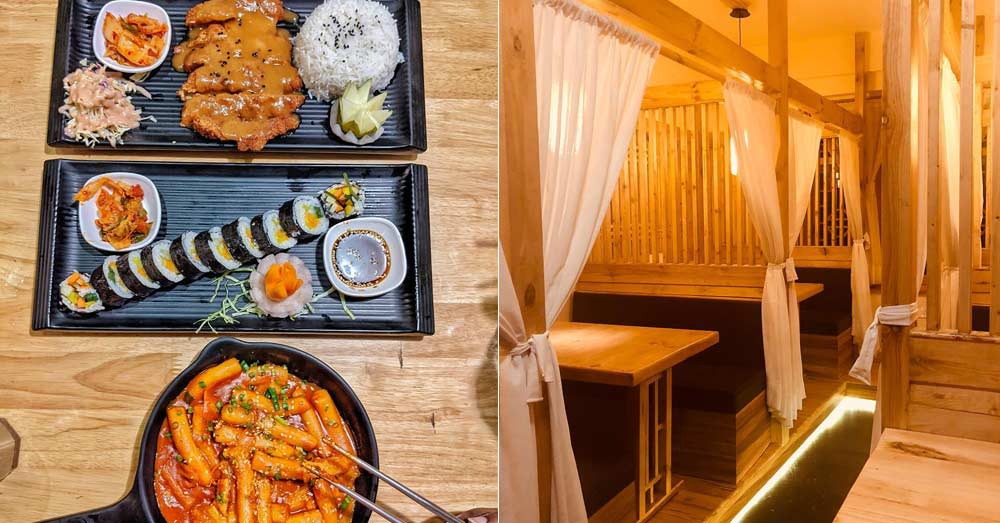
In metros like Bangalore, Delhi, and Hyderabad, Korean cafés are buzzing with students and young professionals. These spaces often double as fandom hubs, decorated with K-drama posters and K-Pop playlists. Eating there feels like stepping into Seoul for an evening.
Fast food and packaged goods
Major brands are cashing in:
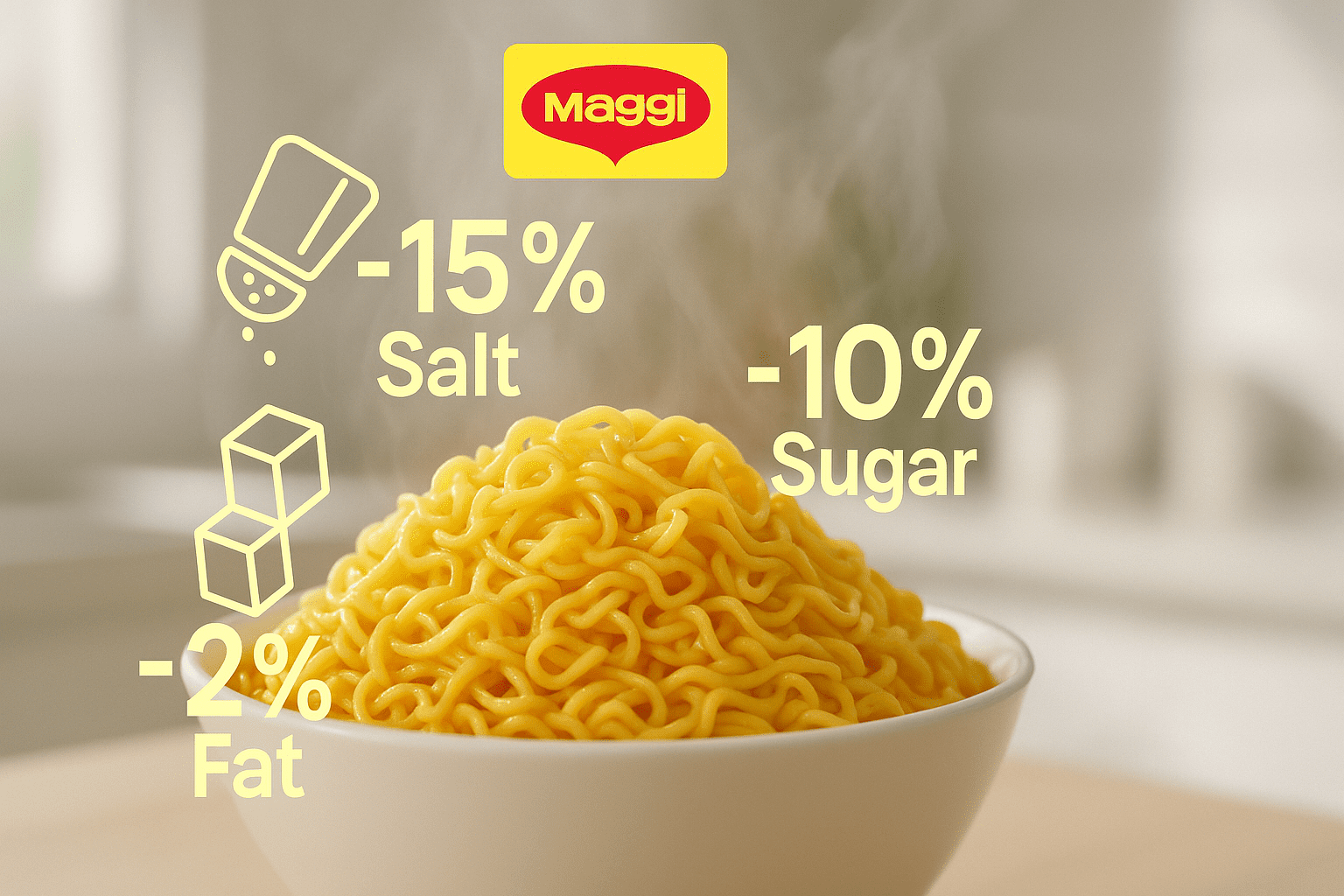
- ITC, Knorr, and Maggi have introduced Korean-flavoured instant meals.
- Domino’s and Wendy’s are testing Korean sauces in pizzas and burgers.
- Snack brands are launching kimchi or gochujang flavoured chips.
Korean food has moved from niche to mainstream. It is no longer only for fans of the Hallyu wave; it is for everyone.
How is Korean food shaping identity and lifestyle?
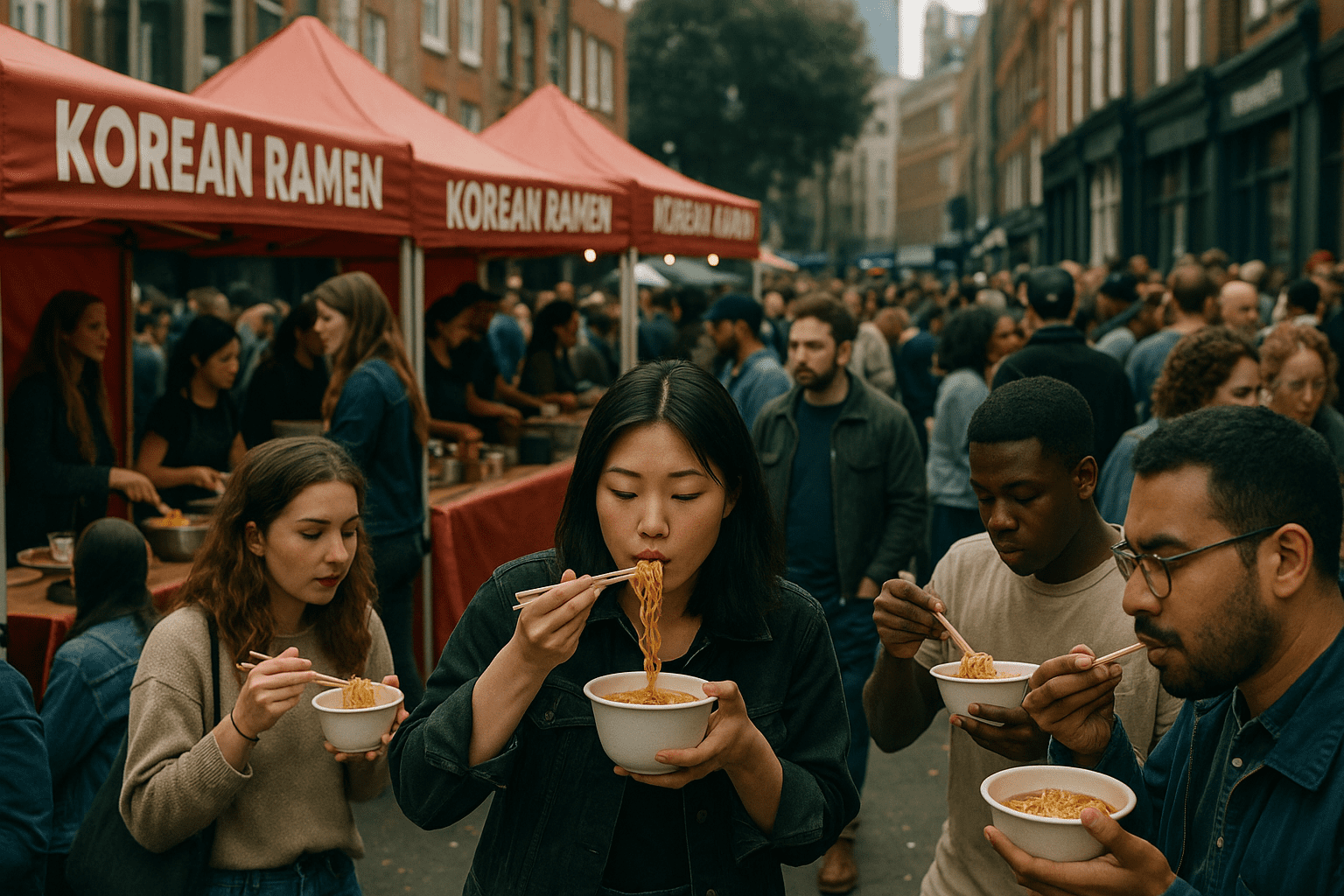
For Gen Z, ordering Korean food is about belonging as much as taste. Sharing bubble tea pictures or hosting a “ramen night” with friends is now part of youth culture. Much like wearing a BTS hoodie or attending an anime convention, food becomes a badge of identity.
This is also reshaping hangout culture. Instead of the usual café or street-food stall, young Indians now pick Korean BBQ spots or dessert cafés as meeting points. Food has become a lifestyle marker that signals global awareness and personal taste.
What is the economic impact of the Korean food wave?
The “Korean food wave” is cultural and economic. Analysts estimate that Korean cuisine in India has seen 50%+ growth year-on-year on delivery platforms. Restaurants are expanding menus, startups are selling DIY ramen kits, and FMCG companies are tailoring ads toward young urban buyers.
Gen Z is directly influencing what reaches supermarket shelves and restaurant menus. Their demand is reshaping the food industry in real time.
What are the challenges and criticisms?
Like any trend, this one has complications:
- Affordability – many Korean dishes, especially at specialty restaurants, remain pricey for students.
- Authenticity vs. adaptation – not every “Korean ramen” is authentic; most versions are localised for Indian taste buds. Some fans love this; purists complain.
- Trend fatigue – critics argue it might be a passing craze, but Gen Z shows no signs of letting go.
These challenges don’t weaken the trend; they spark debate and creativity. Many young cooks are now trying budget-friendly versions of Korean recipes at home, often going viral with their hacks.
What does tomorrow’s food culture look like?
The rise of Korean food in India reflects something bigger: Gen Z’s role as cultural importers. They are the first generation to blur the line between “global” and “local”. For them, eating kimchi fried rice feels as natural as eating momos.
Tomorrow’s food culture will likely lean even more hybrid:
- Korean sauces on Indian street food.
- K-Pop themed cafés turning into student hotspots.
- Brands launching youth-only campaigns around fusion snacks.
Like anime and gaming, Korean food could become a permanent part of Gen Z’s dining habits.

The bigger picture
The Korean food craze isn’t only about noodles or chicken. It is about a generation hungry for experiences that connect them to the world. Gen Z is not only consuming culture; they’re remixing it, sharing it, and shaping industries around it.
Whether this is the start of a lasting revolution or a chapter in India’s evolving food story, one thing is clear: Korean food has already become a flavor of identity for Gen Z.
FAQs about Korean food in India
Why is Korean food so popular with Gen Z in India?
Gen Z grew up on K-dramas, K-Pop, and social media. Korean food gives them a direct link to that content: ramen, tteokbokki, and fried chicken feel like edible versions of the shows and songs they already love.
Where can I order Korean food in India?
Apps like Swiggy and Zomato list Korean buns, kimbap, and ramen across metros and many smaller cities. Grocery chains stock kimchi jars and instant ramen packs, and e-commerce sites sell imported sauces like gochujang.
Which brands are launching Korean flavours in India?
ITC, Knorr, and Maggi have rolled out Korean-flavoured instant meals. Domino’s and Wendy’s are testing Korean sauces in pizzas and burgers, while snack brands are launching kimchi and gochujang flavoured chips.
Is the Korean food trend in India just a passing fad?
Critics argue it might fade, but Gen Z shows no signs of losing interest. Analysts estimate 50%+ year-on-year growth in Korean cuisine on delivery platforms, and brands keep adding Korean options, which suggests the trend has staying power.
What are popular Indian-Korean fusion dishes?
Viral fusion examples include kimchi Maggi, dosa with spicy Korean mayo, and samosas dipped in gochujang. Home cooks keep inventing new combinations, which fuels the trend further on social media.