

Short answer: Lo-Fi hip-hop is low-fidelity music built on vinyl crackles, soft distortion and ambient hums. It grew out of the 1990s underground scene and exploded through YouTube streams like Lo-Fi Girl. By 2025, Lo-Fi playlists have racked up billions of streams on Spotify, Apple Music and YouTube, and Gen Z treats it as therapy for focus, stress relief and calm.
Once dismissed as background music for studying, Lo-Fi hip-hop has grown into a global cultural phenomenon. It is the sound of calm in chaos — the rhythmic heartbeat of a generation juggling deadlines, dreams and digital overload.
For Gen Z, Lo-Fi isn’t a genre. It is a lifestyle. It stands for creativity without pressure, productivity without burnout, and a return to simplicity in an overstimulated world.
What exactly is Lo-Fi?
“Lo-Fi” stands for low fidelity, a sound that leans into imperfection — vinyl crackles, soft distortion, ambient hums and organic textures. Instead of polished production, Lo-Fi thrives on warmth and intimacy.
The aesthetic mirrors a digital generation’s craving for authenticity. In an era of autotune and algorithms, Lo-Fi reminds listeners that imperfection can be beautiful.
How did Lo-Fi culture rise?
Lo-Fi’s roots go back to the 1990s underground hip-hop scene, but the explosion came through YouTube live streams like Lo-Fi Girl (formerly ChilledCow). The looping animation of a girl studying became an internet icon, symbolising focus, calm and nostalgia.
By 2025, Lo-Fi playlists have pulled billions of streams across Spotify, Apple Music, and YouTube, turning anonymous producers into quiet celebrities. Platforms like SoundCloud and Bandcamp have amplified independent artists who blend mellow beats with storytelling samples and anime visuals.

Why does Gen Z connect with Lo-Fi?
The genre’s emotional pull lies in its duality — it is both nostalgic and modern. The analog warmth brings comfort, while its steady rhythm fuels concentration.
Gen Z uses Lo-Fi for:
Study sessions and creative work
Mindfulness and stress relief
Late-night journaling or gaming
In a time defined by noise, Lo-Fi offers mental quiet. It is not about escape. It is about emotional regulation through sound.
What aesthetic does Lo-Fi define?
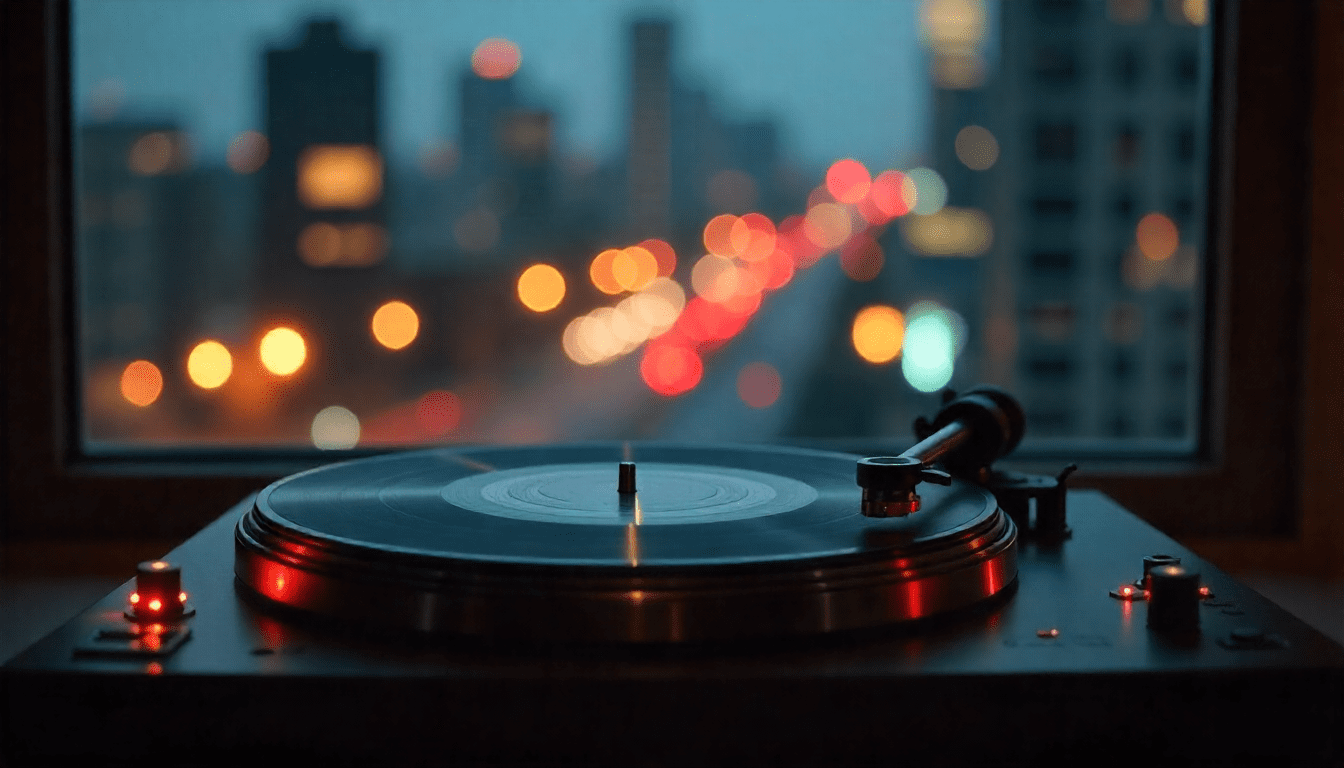
Lo-Fi shapes more than music. It is a visual and cultural identity: muted tones, vintage anime loops, rainy cityscapes and cozy interiors.
Brands and creators have noticed. Spotify Wrapped, Notion templates, and YouTube animations now borrow Lo-Fi’s soft visual language to evoke focus and nostalgia. It isn’t flashy or viral — it is human.
How is Lo-Fi powering the creator economy?
Behind the chill beats are thousands of independent producers creating from their bedrooms. The genre’s accessibility — basic tools, minimal setup — lets anyone with a laptop and some creativity take part.
Many Lo-Fi artists use AI-assisted tools for mixing, sampling and sound design, blending technology with personal emotion. This DIY ethos has built a thriving, collaborative ecosystem where authenticity outweighs perfection.
How did Lo-Fi become the business of calm?
Lo-Fi’s commercial success is subtle but powerful. Brands like Calm, Headspace, and even Starbucks curate Lo-Fi playlists to shape focus and ambience. The soundscape of chill beats has quietly become the soundtrack of productivity culture.
Its charm still lives in independence — a community-driven spirit of sharing peace through sound.

What is the future of Lo-Fi?
As digital fatigue grows, Lo-Fi’s role will grow with it. Expect interactive Lo-Fi worlds in VR, personalised focus soundtracks powered by AI, and hybrid genres like Lo-Fi Jazz or Ambient Trap.
The essence will stay the same: imperfect beats, emotional warmth, and calm simplicity in an over-connected world.
Peace in the pause
Lo-Fi isn’t about escaping life. It is about living it more slowly, more intentionally. In every crackle and loop sits a reminder: you don’t need perfection to create something meaningful.
For a generation chasing focus in a world of distraction, Lo-Fi is more than music — it is therapy through rhythm.
FAQs about Lo-Fi hip-hop
What does Lo-Fi actually mean?
Lo-Fi stands for low fidelity. It is a style of music that keeps imperfections on purpose — vinyl crackles, soft distortion, ambient hums — to create warmth and intimacy instead of polished production.
Who is Lo-Fi Girl?
Lo-Fi Girl is the looping animation of a girl studying at her desk, originally part of the YouTube channel ChilledCow. The stream became an internet icon and helped push Lo-Fi hip-hop into mainstream streaming.
Why do people study to Lo-Fi music?
Lo-Fi’s steady rhythm and mellow textures help with concentration and mood regulation. Gen Z commonly uses it for study sessions, mindfulness, stress relief, late-night journaling and gaming.
Where can I listen to Lo-Fi?
Lo-Fi playlists have billions of streams on Spotify, Apple Music and YouTube. Independent artists also publish on SoundCloud and Bandcamp, and wellness brands like Calm, Headspace and even Starbucks curate their own Lo-Fi selections.
Is AI being used to make Lo-Fi music?
Yes. Many Lo-Fi producers use AI-assisted tools for mixing, sampling and sound design. The mix of DIY creation and AI has fuelled a collaborative creator economy where authenticity matters more than perfection.