Short answer: Digital artists are a new generation of creators who use tools like Procreate, Blender, Adobe Fresco, Photoshop, Midjourney, and Tilt Brush to build art on screens instead of canvas. AI, VR, 3D modelling, and social platforms like Instagram, TikTok, and Behance have turned digital art into a full-time career path across game art, digital fashion, NFTs, and virtual design.
Once, being an artist meant brushes, canvases, and paint-stained jeans. Today, art is coded, rendered, and streamed around the world in seconds. A new generation of creators is redefining what it means to be an artist by blending technology, imagination, and design. From 3D sculptors and motion designers to AI-assisted illustrators and VR painters, the boundaries of creativity have stretched wider than ever.
This is more than a shift in medium. It is a cultural revolution. Welcome to the age of digital artistry, where pixels are paint, algorithms are brushes, and the future of creativity lives online.
Why is this a generation born into design?
For Gen Z and young millennials, creativity has always been digital. They grew up editing photos on phones, designing memes, and experimenting with online art tools before touching physical media. The result: a generation that treats software as a sketchbook and screens as galleries.
Platforms like Procreate, Blender, and Adobe Fresco have democratised design. Anyone with a tablet or laptop can create professional-quality art without an expensive studio. Social media has changed the rest. Artists have become brands, and creativity has become a community event. Instagram grids act as modern portfolios, while TikTok and Behance showcase both finished works and the creative process.
What stands out is the pace of evolution. Digital artists now learn from YouTube tutorials, Discord servers, and online collectives instead of traditional art schools. The learning curve is global, fast, and endlessly collaborative.
How is tech the new paintbrush?
The tools of creativity are evolving faster than ever. Adobe Photoshop was once the pinnacle of digital creation. Now the ecosystem includes 3D modelling, generative AI, AR filters, and VR experiences.
Artificial intelligence has opened new doors. Artists use AI tools to generate concepts, textures, and visual effects that would take hours by hand. Some see AI as a threat. Others see it as a powerful collaborator. When guided by human imagination, AI does not replace creativity; it amplifies it.
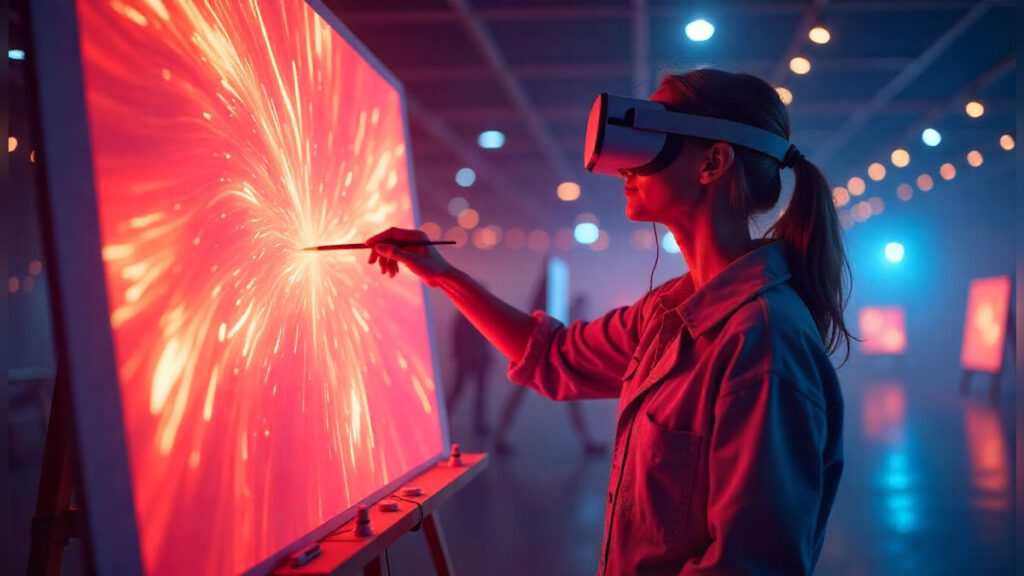
Virtual and augmented reality are also breaking barriers. Artists can paint in 3D spaces using apps like Tilt Brush, turning art into immersive worlds viewers can walk through. The line between creator and audience is fading. You do not just see art anymore, you experience it.
This fusion of tech and creativity has spawned entire industries: game art, digital fashion, virtual architecture, and NFT-based collectibles. Every visual field is being transformed into a creative economy that values both aesthetics and innovation.
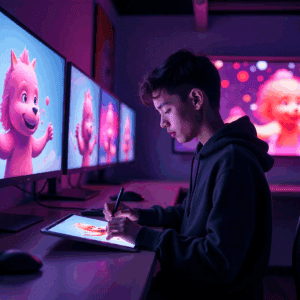
How has social media become the global art gallery?
Social platforms have become the beating heart of digital artistry. An artist can upload a render to Instagram, get feedback from followers in Japan, and land a commission from a brand in Paris within hours.
That access has a downside. The pressure to post consistently, stay relevant, and perform for the algorithm can drain creativity. Many digital artists call burnout their biggest obstacle. Constant chasing of likes and engagement can drown out the art itself.
Even so, the benefits outweigh the drawbacks. Social media has given visibility to underrepresented voices, enabled cross-cultural collaboration, and proven that creativity knows no borders. For every viral trend that fades, countless digital artists are building careers, communities, and confidence online.
Who are hybrid artists and why are they rising?
One of the most striking shifts in modern creativity is the rise of hybrid artists who mix traditional techniques with digital innovation.
A painter may scan watercolour textures into Photoshop and layer them with digital effects. A sculptor may use 3D printing to bring digital models into the real world. Musicians and fashion designers are working with visual artists to craft multimedia experiences that blur sensory boundaries.
This convergence has made art more dynamic, accessible, and experimental. It is no longer about choosing between traditional and digital. The most exciting work often sits in the overlap.
Is digital art a real career, not just a hobby?
Perhaps the biggest shift is that digital art is no longer seen as a side passion. It is a legitimate profession. Brands are hiring digital illustrators, motion designers, and 3D artists faster than ever.
Freelance platforms, NFTs, online commissions, and Patreon support models let artists earn income independently. Instead of chasing gallery representation, today’s creators build personal brands, engage directly with audiences, and monetise through multiple streams.
Adaptability is the key skill. The tools will keep evolving. What matters is staying curious, learning continuously, and experimenting without fear. In the digital age, an artist’s most valuable asset is not a specific skill; it is the willingness to evolve.
What are the challenges of the digital art revolution?
Despite its promise, the digital art world has pitfalls. Copyright infringement, AI art controversies, and oversaturation are constant battles. Artists worry about protecting their work when images can be copied or used to train algorithms.
Value is another question. When millions of artworks upload daily, how do you stand out? The answer is authenticity: a style, a voice, and a story that technology cannot copy.
Some purists argue that digital art lacks “soul.” The reality is more nuanced. Creativity has always evolved with tools, from charcoal to oil paint to the stylus. The medium changes, but the human impulse to create, express, and connect remains timeless.
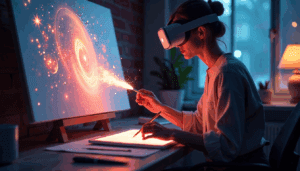
The golden age of creative technology
We are living in the golden age of creative technology, an era where anyone can become an artist, designer, or creator from their bedroom. The walls that once separated “real art” from “digital art” have fallen. What matters now is not the medium but the message.
The next Picasso might not hold a paintbrush. They might hold an iPad, a VR controller, or even a prompt in an AI generator. What stays the same is the passion to imagine and the courage to create. The tools may change, but creativity will always find a way.
FAQs on digital artists
Who is considered a digital artist?
A digital artist uses software or hardware instead of physical media to create art. That includes illustrators using Procreate, 3D modellers in Blender, motion designers, VR painters in Tilt Brush, and AI-assisted creators working with tools like Midjourney.
Is AI replacing digital artists?
AI is reshaping the workflow, not replacing artists. Tools like Midjourney and generative models speed up concepts, textures, and effects. Human imagination, style, and story still guide the work. When guided well, AI amplifies creativity rather than replacing it.
Can you make a full-time living as a digital artist?
Yes. Brands are hiring digital illustrators, motion designers, and 3D artists at a steady pace. Artists also earn through freelance platforms, NFTs, online commissions, and Patreon. Many build personal brands and monetise through multiple income streams.
What are the best tools for digital artists?
Popular tools include Procreate and Adobe Fresco for illustration, Adobe Photoshop for editing, Blender for 3D modelling, Tilt Brush for VR painting, and AI tools like Midjourney for concept work. Social platforms like Instagram, TikTok, and Behance help with reach.
What are the biggest challenges digital artists face?
Copyright infringement, AI art controversies, oversaturation, and algorithm-driven burnout are the main issues. Standing out requires authenticity: a clear style, voice, and story that cannot be copied by tools or trends.