
Short answer: Creative mastery feels impossible at first because taste develops faster than skill. The gap between what you can imagine and what you can make is not proof you should quit. It is proof you are in the middle of the work, where every artist, writer and musician has to sit before something finally clicks.
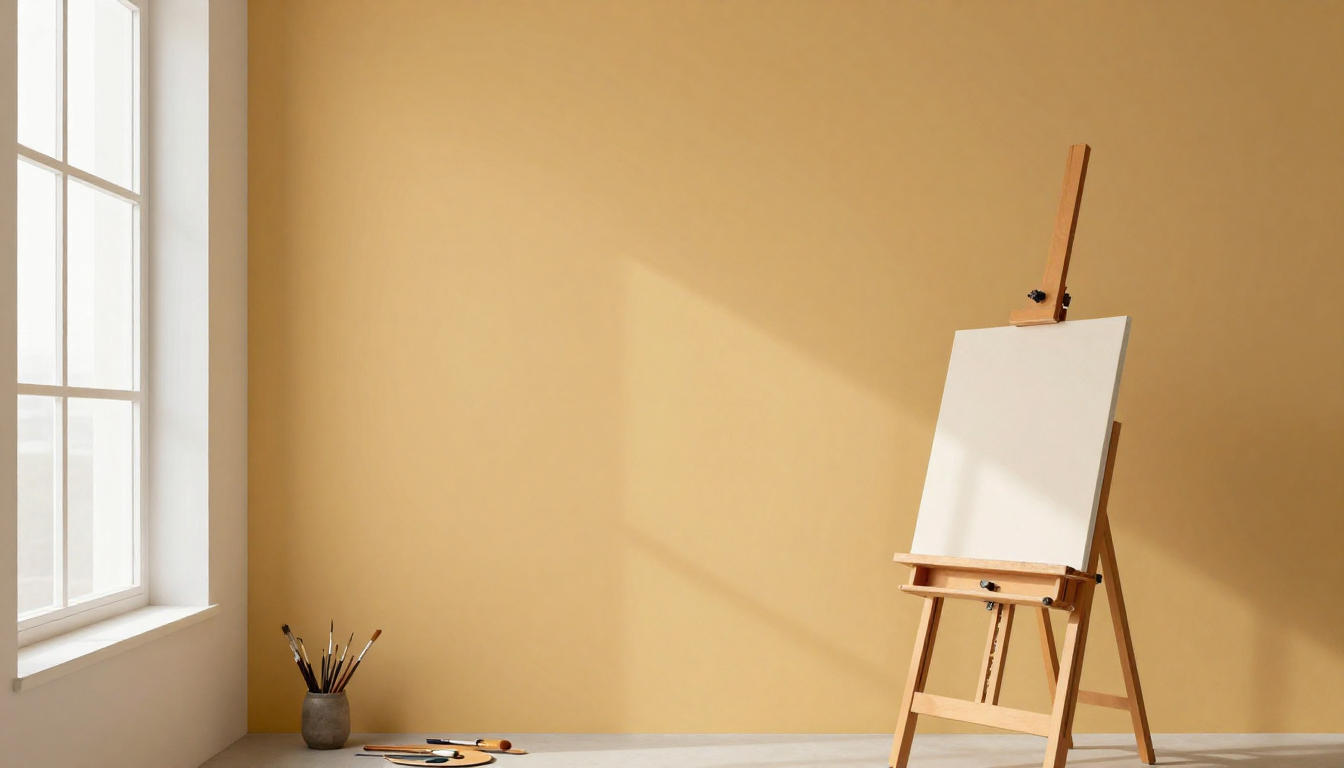
There is a turning point in every creative journey that no one warns you about. You sit in front of a blank canvas, an empty project file, a silent instrument, a blinking cursor, and something heavy settles inside you:
“What if I’m not good enough?”
It is strange how creativity, something born from curiosity and expression, can become the space where doubt grows loudest. We expect art to feel effortless, like inspiration should appear on its own, whispering solutions, melodies, ideas, strokes, beats, words.
Real creativity is not light. It is excavation. You are not just making something. You are revealing something. That process feels uncomfortable because it demands honesty, vulnerability, imperfection and patience, four things the modern world rarely rewards.
Why does creativity feel effortless for everyone else?
We live in a culture where creativity is visible before it is understood. We see the polished version, the final track, the finished film, the perfect painting, the edited reel, without witnessing the mess behind it.
The drafts that failed.
The early sketches that didn’t make sense.
The beats that felt flat.
The lyrics that sounded cliché.
The designs that didn’t land.
And slowly, a dangerous illusion forms:
That talent is instant, not earned.
That mastery is a gift, not a grind.
That creativity should feel natural, not practiced.
Anything meaningful takes time. Anything original requires risk. Anything true demands patience.

What is the gap between taste and ability?
Every artist, musician, writer and designer goes through a phase where their taste is better than their skill. You can see what great looks like. You can hear what great sounds like. You can feel what you want to make, but you cannot make it yet.
This gap, the painful space between vision and ability, is where most people quit. Not because they lack talent. Because they misinterpret the struggle. They think the gap means they are not meant for this.
The gap is proof that they are.
Why does creative work feel so lonely?
Creativity can feel isolating. Not because you are alone, but because you are doing something internal that no one can fully witness or validate while it is happening.
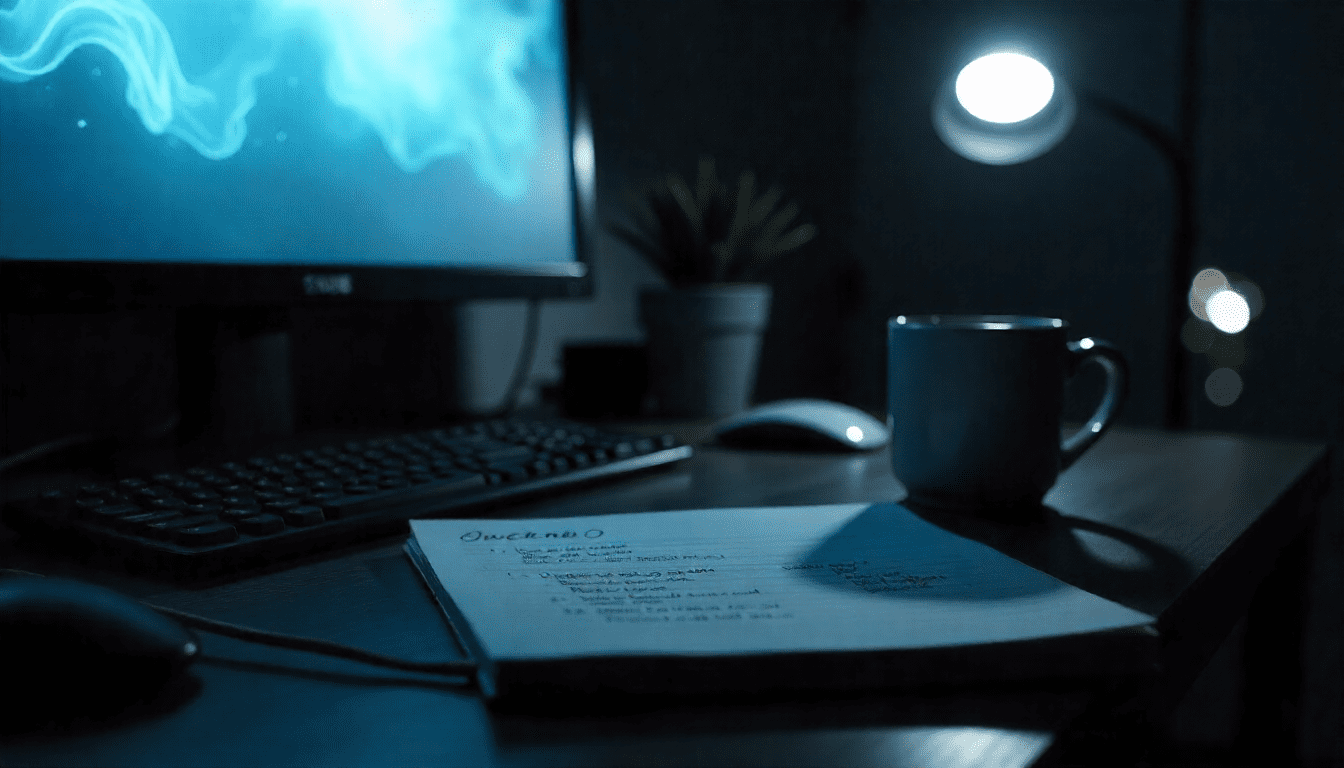
People celebrate the outcome. Almost no one sees the nights you stared at the screen with nothing. The frustration of repeating the same small skill again and again. The guilt of abandoning projects that once felt promising. The uncertainty of not knowing if anything you make will matter to anyone.
Solitude does not mean isolation. It means commitment.
How should creators think about failure?
Every creative person has to learn to fail, repeatedly, publicly, quietly, painfully, without letting it convince them to stop.
Failure is not a sign you are bad. It is proof you are trying something that requires growth. The only way to grow is through the uncomfortable middle stage, the stage where you are not good yet, not confident yet, not sure yet.
Mastery is not avoiding mistakes. Mastery is surviving them.
The moment creative work finally clicks
One day, quietly, unexpectedly, something shifts.
A chord progression finally feels like music.
A sketch finally looks intentional.
A draft finally reads like meaning.
A design finally communicates.
A note finally lands in your chest instead of just in the air.
It will not be perfect, not yet. But it will feel true. That moment is sacred because it proves the doubt was never stronger than the persistence.
Creating for the right reasons
As you evolve, the goal changes. It is no longer about approval. Not about virality. Not about applause. Not about proving anything.
It becomes about expression. About honesty. About witnessing your own evolution. You realise that art is not a performance. It is a conversation with the part of you that existed before the world told you who to be.
And creativity becomes less like pressure and more like home.
FAQs on creative mastery
Why does creativity feel impossible at the start?
Because your taste usually develops before your skill. You can recognise good work long before you can produce it, and that gap feels like failure when it is really the normal starting point of any craft.
How long does it take to feel good at a creative skill?
There is no fixed timeline. What matters is staying in the uncomfortable middle stage long enough for the small repetitions to add up. Most people quit in the gap between vision and ability, not because they lack talent.
How do I deal with self-doubt as an artist or writer?
Treat doubt as part of the process, not a verdict. Keep making things that are honest rather than impressive, and focus on expression over approval. Failure is evidence you are trying work that requires growth.
Is creative mastery about natural talent or practice?
Mostly practice. Talent is instant in the stories we are shown, but real mastery comes from grinding through drafts, failed sketches and flat first attempts. Mastery is surviving mistakes, not avoiding them.
Why does creating feel so lonely?
Because the hardest part of the work is internal. No one sees the quiet nights, the abandoned projects or the same small skill practised on loop. Solitude in creative work is commitment, not isolation.