Short answer: In 2025, travel has shifted from wanderlust to meaningful movement. Travellers now prioritise slow travel, sustainability, human connection and self-discovery over ticking off destinations. The best trips are measured in meaning, not miles.
Travel used to be about collecting stamps in passports and ticking destinations off a list. But in 2025, travel has transformed into something deeper. It is not just about where you go, but why.
After years of digital burnout, climate anxiety and global uncertainty, people are travelling not to escape life, but to reconnect with it. The new travel mindset values mindfulness, sustainability and authenticity over luxury or speed. It is about experiences that change you, not just impress your followers.
The new traveller is not a tourist; they are a participant, someone who seeks stories, not souvenirs.
What is slow travel and why is it booming?
The world has grown tired of rushed itineraries. Slow travel has become a global movement, emphasising immersion over movement. Instead of cramming six countries into a two-week trip, people now spend months in one city, learning the local language, working remotely and becoming part of the community.
In 2025, digital nomads are evolving into cultural residents. They are finding creative spaces in Lisbon, sustainable communities in Bali and mountain retreats in Himachal Pradesh where Wi-Fi and wisdom coexist.
This slower approach is reshaping tourism economics too. Small local businesses thrive, traditions get preserved, and travellers leave lighter footprints, literally and emotionally.
Why is the human element back in travel?
Technology makes travel easier than ever. One click for flights, hotels, even AI-generated itineraries. But the more digital travel becomes, the more we crave human connection.
In the post-pandemic world, face-to-face interaction has become the new luxury. Travellers now prefer local homestays over chain hotels, guided storytelling walks over packaged tours, and shared meals with locals over room service.
Platforms like Travello and NomadHer are leading this social travel wave, connecting explorers who value people as much as places. Travel has rediscovered its human soul.

Who are the new eco-conscious travellers?
Sustainability is no longer a niche; it is the new normal. Travellers are more aware than ever of their carbon footprints and environmental responsibilities.
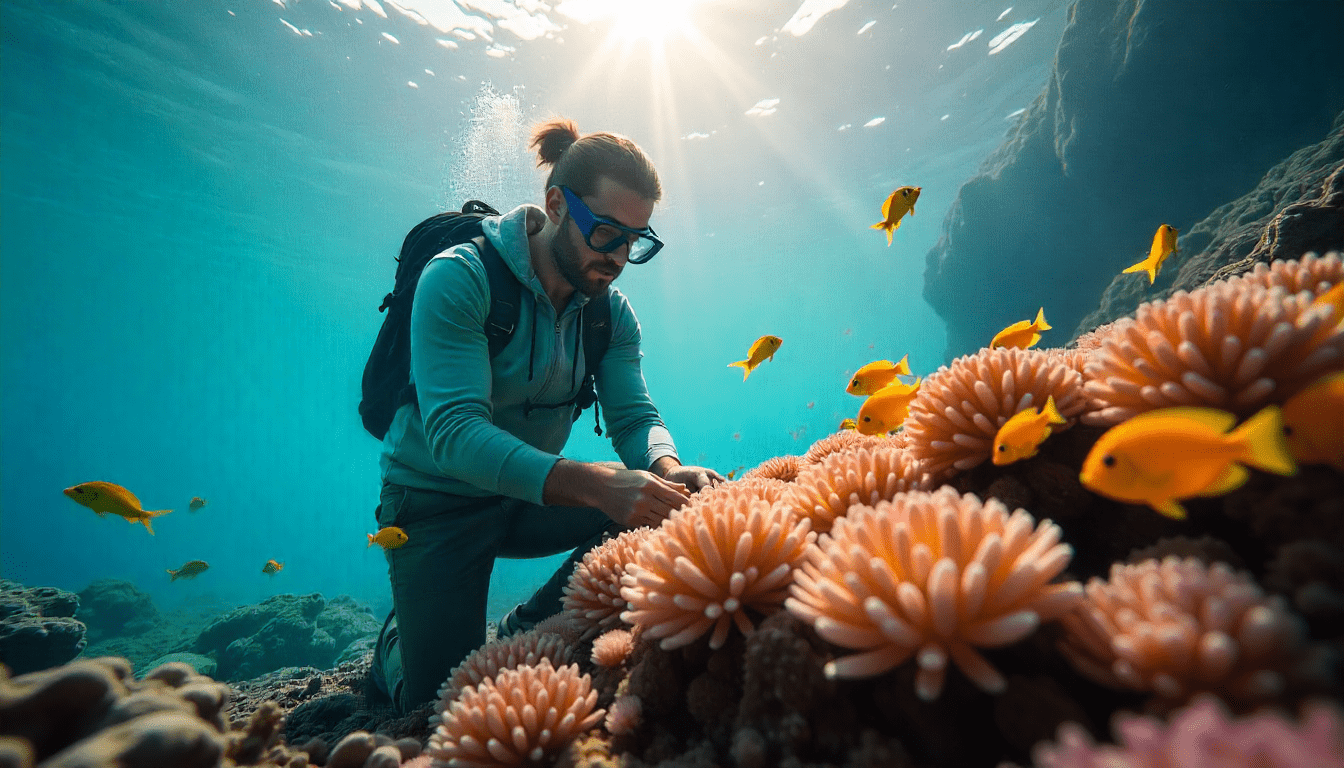
The rise of regenerative travel, where trips actively benefit local ecosystems, has redefined the industry. From coral reef restoration in the Maldives to volunteering on organic farms in Italy, the new generation is travelling to heal, not harm.
Brands like Intrepid Travel and Byway are creating itineraries that prioritise trains over planes, local food over imports and renewable stays over wasteful resorts. The message is clear: adventure does not need to cost the planet.
How has the digital nomad life evolved?
Working from anywhere is no longer a dream; it is a lifestyle revolution. In 2025, digital nomads are not just freelancers with laptops. They are entrepreneurs, creators and innovators redefining freedom.
Countries are adapting too. Portugal, Thailand and Japan have introduced long-stay visas for remote professionals, encouraging skill exchange and cultural contribution.
The digital nomad lifestyle has its challenges. Burnout, loneliness and instability often accompany freedom. That is why more nomads are forming micro-communities: coworking villas, remote villages and digital detox hubs where productivity meets peace. Freedom now comes with balance.
How is AI reshaping smart travel?
AI is quietly reshaping how we explore the world. Smart itineraries powered by personal data now predict what you would love before you ask. Apps like WanderAI and RoamGenie analyse mood, travel history and even sleep patterns to recommend hidden gems that fit your emotional rhythm.
Smart luggage tracks itself. Translation earbuds erase language barriers. AR-guided tours overlay history onto real streets, turning every walk into a living documentary.
As tech grows more powerful, the best trips still rely on one human trait: curiosity. AI can plan your route, but it cannot replace the wonder of discovering something unplanned.
Why is cultural immersion the new classroom?
More travellers are seeing the world as an open classroom. Cultural immersion programmes, art residencies and culinary travel are booming.
Young travellers, especially Gen Z, want hands-on learning: pottery in Morocco, sushi-making in Japan, tribal art workshops in Kenya. Travel has become a gateway to education that no classroom can offer.
This trend, often called Learnspace Travel, blends exploration with evolution. People return home not just with memories, but with skills, perspectives and a deeper understanding of humanity’s shared fabric.
Why is local travel making a comeback?
Global adventures are thrilling, but local discoveries are having a moment. The pandemic reminded us that beauty exists within reach.
In 2025, the concept of micro-travel, exploring nearby regions, underrated towns and heritage trails, has gone mainstream. Travellers spend weekends rediscovering their own countries, supporting local artisans and promoting domestic tourism.
This shift is not just economical, it is emotional. Local travel reconnects us to our roots and teaches us to see the extraordinary in the familiar.
What does luxury travel look like now?
The definition of luxury has changed. It is no longer about five-star hotels or private jets. It is about space, silence and simplicity.
Wellness retreats in Iceland, forest cabins in Norway and desert domes in Saudi Arabia are selling out not because of amenities, but because they offer mental clarity.
Modern luxury travel is not about how much you can consume. It is about how much you can feel. Time, peace and presence are the new currencies of comfort.
Why is travel becoming a form of therapy?
Beyond landscapes and landmarks, travel has become one of the most powerful forms of self-care. Psychologists call it “experiential healing”, using new environments to trigger emotional renewal.
Hiking through solitude, journaling in new cities and meeting strangers who reflect your own journey can be profoundly therapeutic. It is not escapism, it is reconnection. The new traveller does not just pack clothes, they pack intentions.
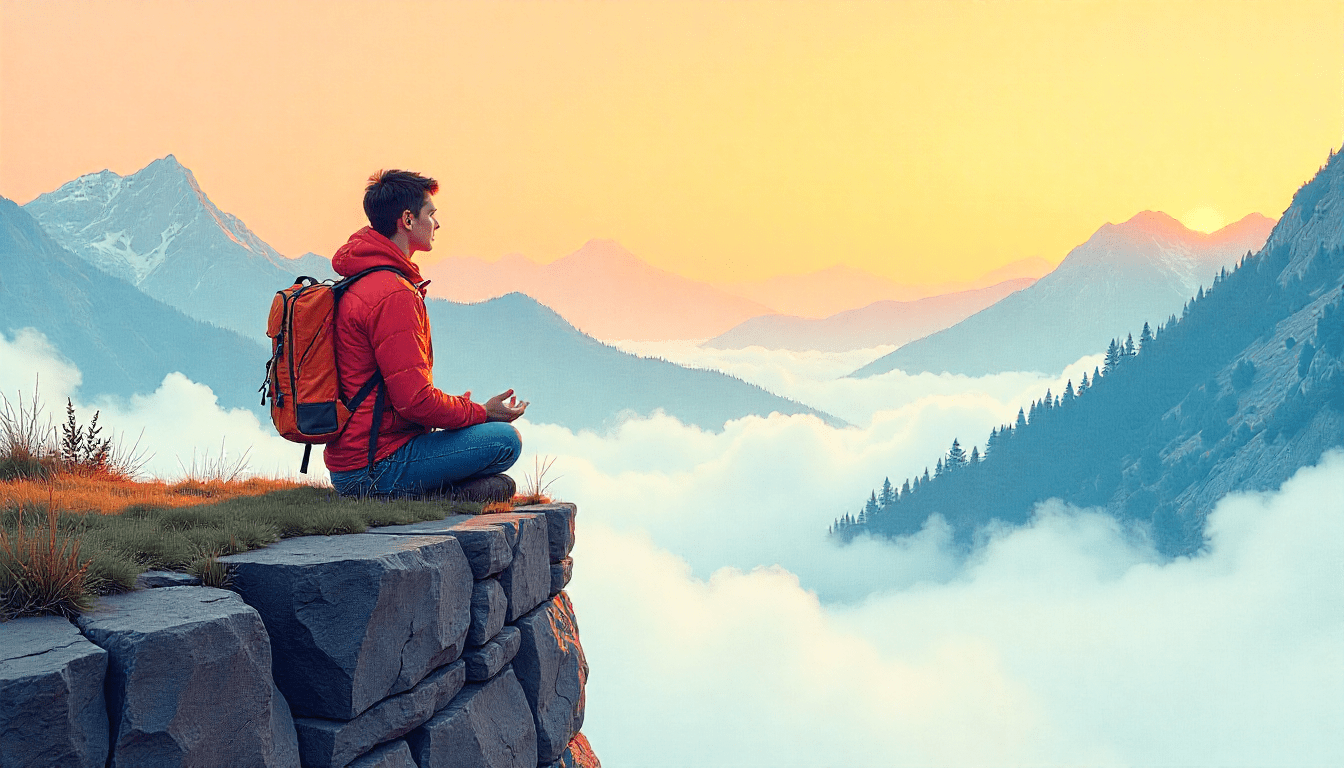
What does the future of travel look like?
The future of travel lies in hybridity: blending digital innovation with raw authenticity. Imagine AI-curated spiritual retreats, carbon-neutral cruises that grow coral reefs, or travel documentaries you can live in through VR. We are entering an era where travel is as much about inner exploration as outer adventure.
Even as innovation accelerates, one truth remains. Travel will always be about stories, the kind you cannot capture in pixels, only in memory. In 2025 and beyond, the best trips will not be measured in miles, but in meaning.
FAQs about the new age of travel
What is slow travel?
Slow travel is a movement that prioritises depth over distance. Instead of cramming multiple countries into a short trip, slow travellers spend weeks or months in one place, learning the language, working remotely and becoming part of the community.
What is regenerative travel?
Regenerative travel goes beyond sustainability. It is travel that actively benefits local ecosystems and communities, such as coral reef restoration in the Maldives or volunteering on organic farms in Italy. Brands like Intrepid Travel and Byway build itineraries around this idea.
Which countries offer digital nomad visas?
Portugal, Thailand and Japan have introduced long-stay visas designed for remote professionals, encouraging skill exchange and cultural contribution. Many others have followed with dedicated nomad visa programmes.
What apps help plan smart AI travel?
Apps like WanderAI and RoamGenie use personal data such as mood, travel history and sleep patterns to recommend destinations and itineraries that match your emotional rhythm, not just your budget.
What is micro-travel?
Micro-travel is exploring nearby regions, underrated towns and heritage trails close to home. In 2025 it has gone mainstream, with travellers spending weekends rediscovering their own countries and supporting local artisans instead of flying abroad.