
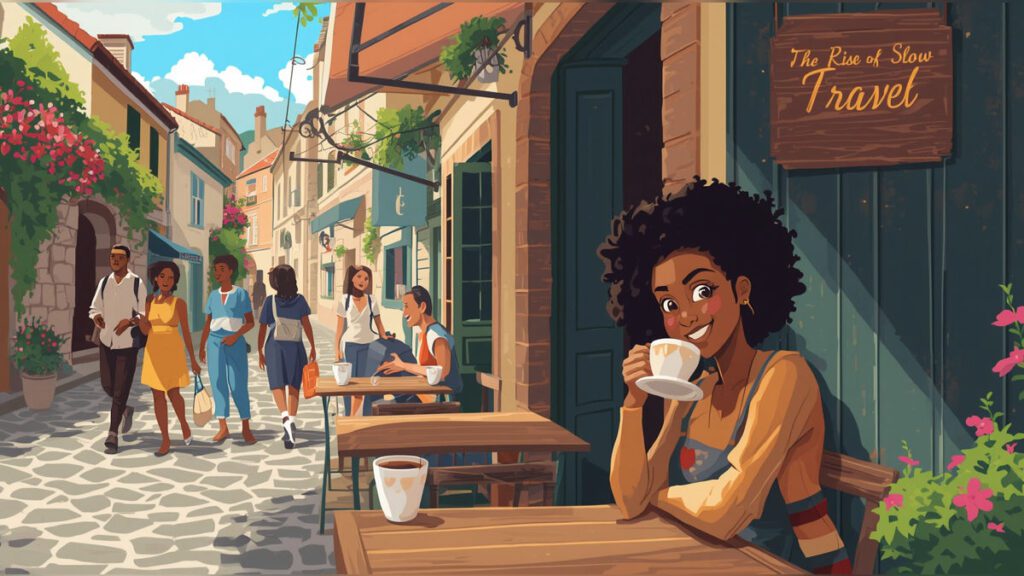
Short answer: Slow travel is staying longer in fewer places and living like a local instead of ticking off bucket-list spots. It’s growing in 2025 because flights are expensive, remote work allows month-long stays, and Gen Z wants authenticity over tour-group photos. You practise it by picking one destination, staying at least two weeks, renting locally, and skipping tourist buses.
The image of a globe-trotting adventurer ticking bucket-list spots off in months is fading. In 2025, a new trend is overtaking fast travel: slow travel. It’s about staying longer, immersing deeper, and connecting with places more humanely.
When you trade check-ins for connections, your journey becomes part of your story.
What is slow travel?
Slow travel shifts the focus from “how many” to “how well.” Instead of hopping from city to city, you choose one region, live like a local, and experience daily rhythms. Long stays. Local life. Meaningful encounters.
It prioritises depth over breadth. You fish with local fishermen, eat in family-run cafés, and learn a language phrase each day. Your passport stamps matter less than the stories you bring home.
Why is slow travel growing now?
Rising flight costs and carbon awareness are making fast travel less appealing. Remote work allows travellers to stay longer. Gen Z and younger millennials crave authenticity over tour-group photos.
Platforms like Airbnb Experiences and Workfrom hubs make extended stays possible. The result? Travel that feels less like vacation and more like living.

What are the benefits of going slow?
Deep cultural immersion: Instead of superficial snapshots, you learn local rhythms, customs, and friendships.
Lower stress: No rushed itineraries, no panic to “get it all done.” You move at walking pace.
Environmental impact: Fewer flights, longer stays, and local engagement reduce your footprint.
Personal growth: Living abroad, even temporarily, challenges your perspective, builds resilience, and expands empathy.
Staying in a place rather than “visiting” it changes you as much as the place.
How has the digital age reshaped slow travel?
Remote work, digital nomad visas, and coworking spaces have made slow travel accessible. Cities from Lisbon to Bali now curate communities for long-term travellers.
Travel diaries are now vlogs of life rather than “top 10 sights.” Travel apps highlight local markets, pop-up dinners, and language exchanges instead of tour bookings. Technology isn’t speeding travel up. It’s supporting a deeper stay.
What are the challenges of slow travel?
It isn’t all tranquil cafés and sunlit lanes. Staying longer means accommodation costs, visa rules, and sometimes language barriers.
Loneliness can creep in without community. Without a tourist schedule, you may feel you’re missing traditional “highlights.” That’s the point: the highlights become everyday life.
How do you practise slow travel?
Choose one destination and stay at least two weeks, or ideally a month.
Rent a local apartment, shop at the neighbourhood market, and cook a couple of meals.
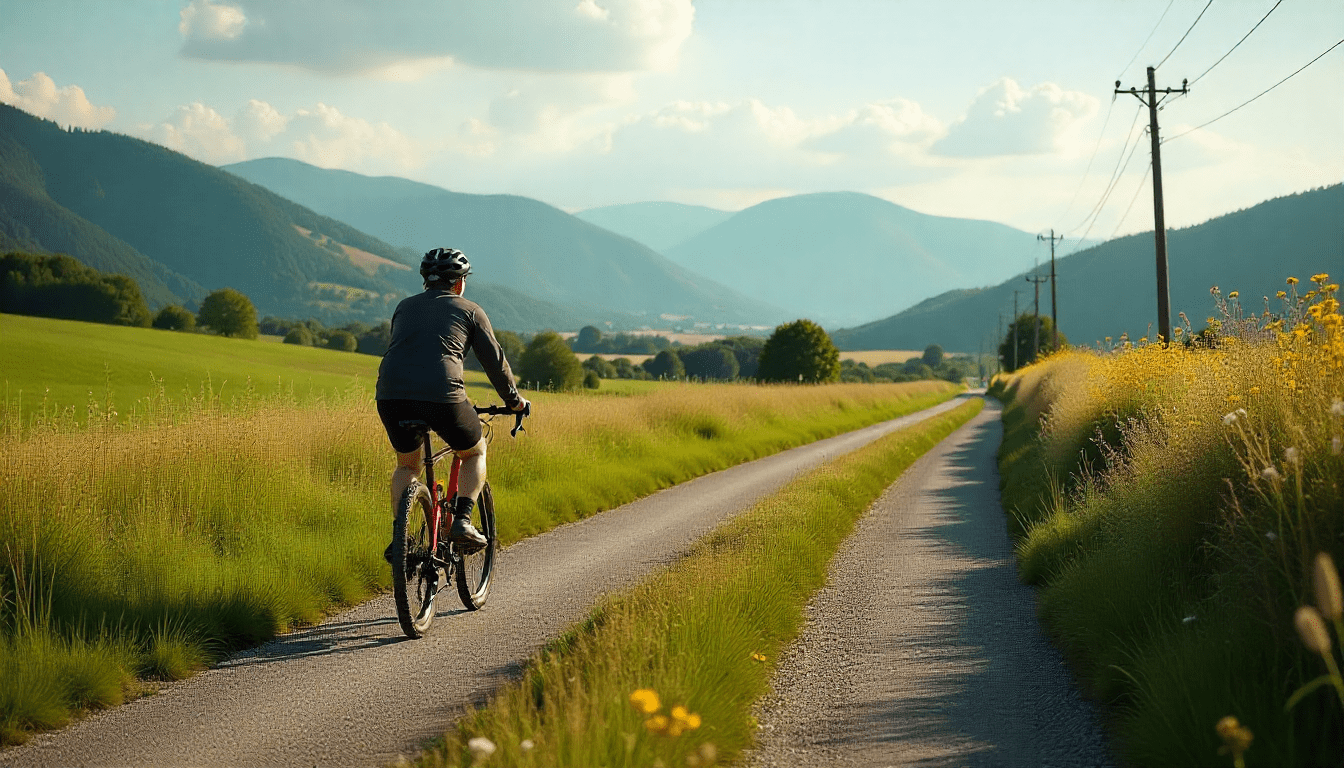
Use public transport or bike, not tourist buses.
Take a “digital pause” day: no social posts, just being present.
Volunteer, join a class, or meet locals through conversation rather than guided tours.
Every small step shifts travel into life.
How does slow travel help sustainability?
As the planet warms, tourism is under pressure to change. Slow travel is part of the solution: higher engagement with local economies, reduced transit emissions, and deeper connections that foster respect for place.
Destinations from Iceland to Nepal are promoting longer stays and fewer visitors. Slow travel doesn’t only reduce footprint. It adds value.
The future: from fast to flow
Travel will be less about crossing off countries and more about flowing through life. Housing rentals and cowork hubs will pivot from 2-week vacations to 3-month residencies.
Travel might become living. And living might become travel.
Unhurry yourself
Fast travel feels impressive. Slow travel feels meaningful. The world needs more citizens of place: people who stay, listen, engage, and leave something behind rather than carry everything away.
Travel less, see more, and you might find the best destination is yourself.
FAQs about slow travel in 2025
What is slow travel in simple terms?
Staying longer in fewer places. You pick one region, live there like a local for weeks, and focus on daily rhythms instead of a packed sightseeing list.
How long should a slow-travel trip be?
At least two weeks in one destination, ideally a month. Some travellers now plan three-month residencies using digital nomad visas and cowork hubs in Lisbon and Bali.
Is slow travel cheaper than regular tourism?
It can be. Monthly rentals cost less per night, you cook at home, and you skip flights between cities. Visa rules and accommodation still matter, so budget for the full stay, not the daily rate.
How does slow travel help the environment?
Fewer flights mean fewer emissions. Longer stays channel money into local economies instead of big tour operators. Iceland and Nepal are already promoting longer, lower-volume visits.
How do I avoid feeling lonely on a long trip?
Book coworking memberships, join hobby classes, and look for language exchanges or pop-up dinners. The community is there, but you have to step into it.