
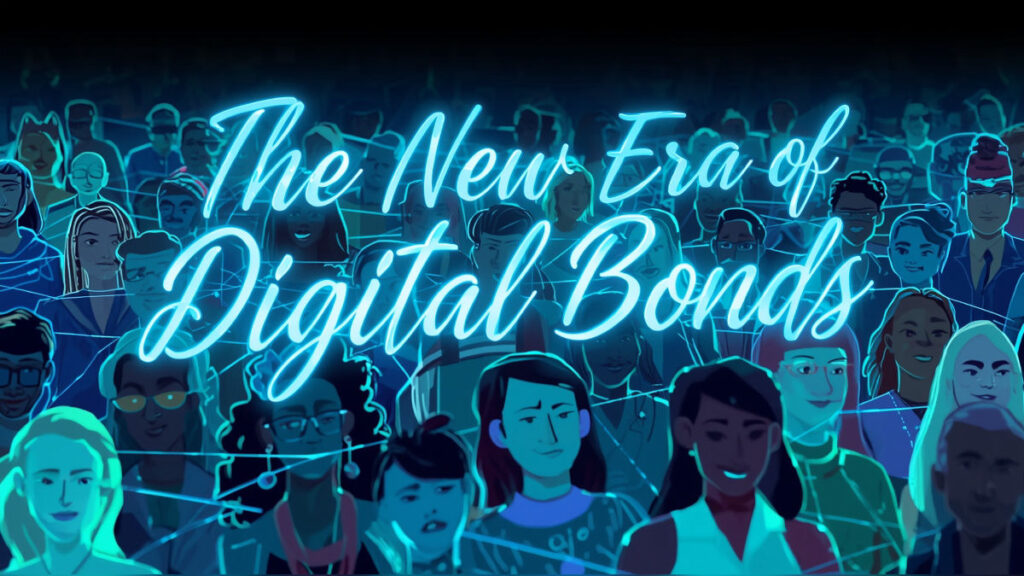
Short answer: Digital bonds in 2025 have blurred the line between online and offline life. From AI companions like Replika to VR presence on Meta’s Horizon Worlds, technology is not replacing human ties but transforming how closeness, trust, and belonging work.
We live in a world more connected than ever, yet somehow lonelier than before. Every ping, like, and message promises connection, but what most of us chase is closeness. As 2025 unfolds, our relationships are no longer only physical or emotional. They are digital, algorithmic, and data-driven.
Technology has redefined the way we interact, not by replacing human bonds but by transforming their nature. From AI companionship to virtual friendships and decentralized social networks, connection has become the new currency, and how we spend it shapes our mental, emotional, and cultural well-being.
How has the hybrid relationship era changed us?
The line between online and offline relationships has dissolved. We live in a hybrid connection model, where digital presence carries as much emotional weight as physical presence.
Friendships start on Discord servers, relationships bloom on shared Spotify playlists, and workplace teams bond over virtual coffee breaks. Platforms like BeReal and Geneva show that digital communities are craving authenticity, not perfection.
In 2025, connection is about co-experience, not only communication. We no longer ask “who we talk to” but “who we share with.” This shift has turned the digital world into a living social organism that adapts to our need for belonging and validation.
Why are AI companions becoming emotional mediators?
Artificial intelligence is the new emotional mediator. Chatbots, virtual assistants, and AI companions now hold conversations that feel startlingly human. Apps like Replika, Character.AI, and Meta’s AI personalities have given people a way to voice thoughts they might never share with others.
This raises a philosophical question: can machines be friends? It also points to an emotional gap that modern society hasn’t bridged. For many, AI offers judgment-free interaction, a sense of stability, and room for emotional exploration.
Experts believe this signals the rise of synthetic empathy, technology designed not to replace people but to supplement human connection. The point is not choosing machines over humans. Our emotional bandwidth now extends beyond biology.
What is driving the social media detox movement?
As the digital world expands, many people are stepping back. A massive “connection reset” is underway. The digital detox trend has matured into mindful connection, using technology with intent rather than instinct.
Apps now encourage screen-time awareness and “meaningful moments tracking,” helping users see who or what truly adds value to their emotional lives. Gen Z is leading this wave of conscious connectivity. They curate their networks, mute toxicity, and pick depth over reach.
Platforms are evolving too. Threads, Mastodon, and even X (formerly Twitter) have seen surges in smaller, niche communities that value conversation over virality. It is a cultural shift from “more” to “meaningful.”
How do remote teams stay connected at work?
Remote and hybrid work models have changed how professionals connect. Water-cooler talk has turned into Slack emojis, and boardrooms have been replaced by Zoom tiles. Beyond the memes, a serious question is emerging: how do you maintain real connection in a remote world?
Companies are investing in digital culture-building with virtual wellness days, gamified meetings, and AI-driven morale tools. Platforms like Gather and WorkAdventure reintroduce spatial connection through digital offices, letting casual chats and shared spaces feel almost human again.
In this shift, digital empathy has become a leadership skill. The best managers aren’t the most efficient ones. They are the most emotionally intelligent across a screen.
Are algorithms now the architects of our affection?
Every connection we make online is filtered through an algorithm that decides who we see, what we feel, and how we engage. Algorithms have become the hidden architects of our social world.
That raises a hard question. Are we connecting with people, or with the system’s version of them? Social platforms prioritize engagement over empathy, and that trade-off fuels polarization and emotional fatigue.
New-age social apps are trying to reverse this. Instead of maximizing screen time, they optimize connection quality. TikTok’s 2025 update offers “Focus Circles,” where users can build smaller, meaningful content loops. Platforms like Nostr push decentralized social media, giving users control over their networks and emotional exposure.
The future may belong to algorithms designed for care, systems that reward authenticity instead of outrage.
How is VR turning digital presence into real presence?
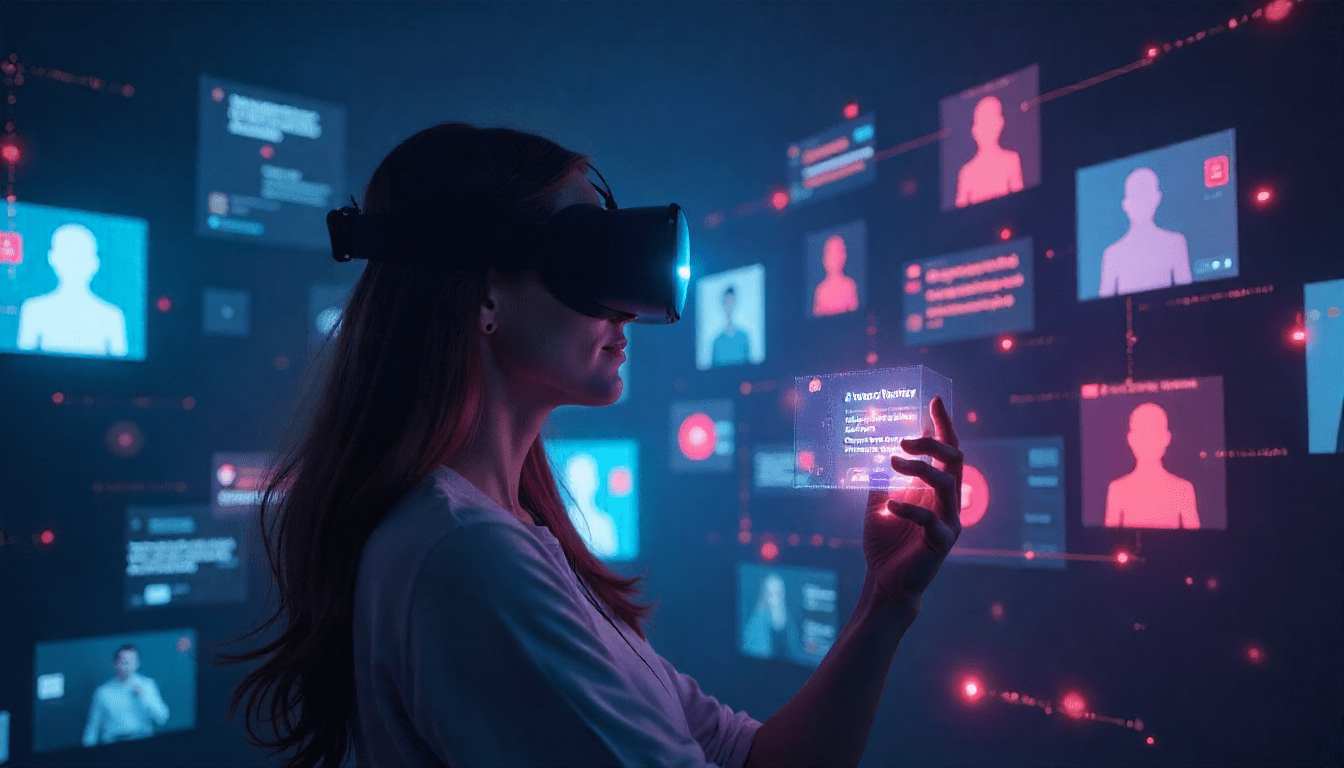
The rise of VR and AR has made connection immersive. Virtual concerts, 3D classrooms, and holographic meetings now blend physical and digital intimacy.
Imagine hugging your best friend’s avatar across continents, or attending a wedding in virtual Venice. It is no longer science fiction. Meta’s Horizon Worlds and Apple’s Vision Pro are turning connection into presence.
The emotional implications run deep. Psychologists are studying how digital presence rewires the brain’s perception of closeness. Early studies show that even virtual eye contact can trigger real oxytocin responses, which means the brain reads digital connection as emotionally authentic.
What is the emotional economy of connection?
In 2025, connection itself has become an economy. Followers, engagement, and community access are traded like assets. Yet the smartest creators and brands know that trust is the new metric of success.
Brands like Duolingo, Notion, and Nike have built digital communities where connection feels two-way. They don’t only sell products. They build participation. This participatory model is what defines the connection economy today.
People are no longer passive consumers. They are emotional investors in the brands, creators, and communities they choose to engage with.

What does the future of human connection look like?
The next stage of human connection will blur lines even more. With neural interfaces like Neuralink on the horizon, we may soon transmit emotions directly, creating what researchers call “empathic networking.”
Imagine sharing not only your thoughts but your feelings in real time. This could change therapy, relationships, and communication, or it could overwhelm our emotional boundaries.
At this intersection of biology and bytes, one truth holds. Connection defines humanity. The tools may change, but the need for belonging stays eternal.
In a world where every touch, text, and tone is digitally mediated, the challenge of our time is not to connect more, but to connect better.
FAQs on digital bonds and human connection
What are digital bonds?
Digital bonds are relationships formed and maintained through technology such as chat apps, social networks, AI companions, and VR spaces. In 2025, they carry as much emotional weight as in-person ties and shape mental, emotional, and cultural well-being.
Can AI companions like Replika replace human relationships?
AI companions such as Replika, Character.AI, and Meta’s AI personalities offer judgment-free conversation and emotional stability, but experts frame them as synthetic empathy that supplements rather than replaces human connection.
Why is Gen Z leading the digital detox trend?
Gen Z is curating networks, muting toxicity, and choosing depth over reach. The movement has shifted from simple screen-time cuts to mindful connection, using apps that track meaningful moments instead of raw usage.
How does VR create a sense of real presence?
Platforms like Meta’s Horizon Worlds and Apple’s Vision Pro let people share virtual concerts, classrooms, and meetings. Early studies show even virtual eye contact can trigger oxytocin responses, so the brain reads digital presence as emotionally authentic.
What is the connection economy in 2025?
It is a model where followers, engagement, and community access are traded like assets, but trust is the real metric of success. Brands such as Duolingo, Notion, and Nike grow by building participation, not just selling products.