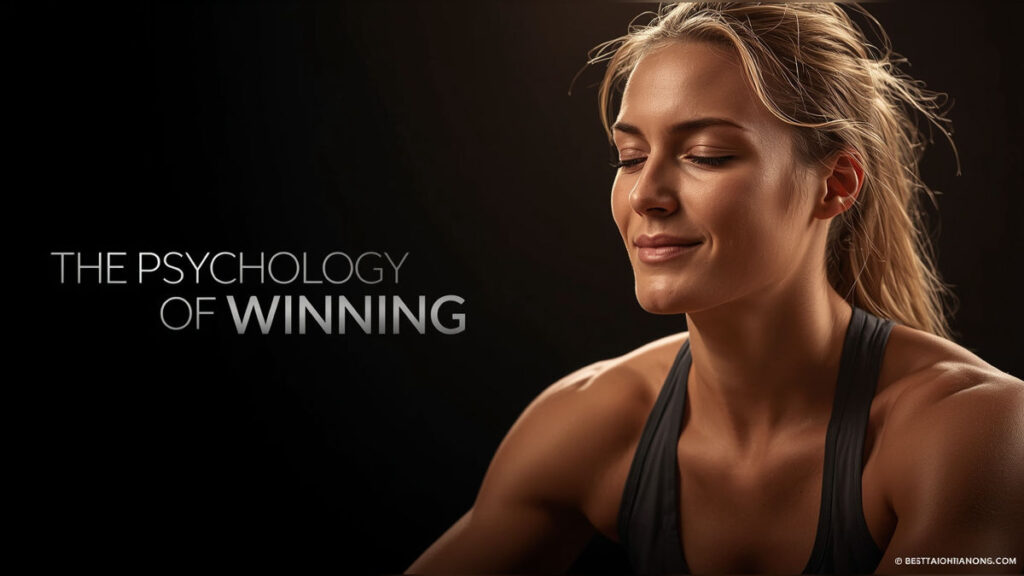
Short answer: The psychology of winning is the mental discipline that turns talented athletes into champions. Focus, resilience, visualisation, reframed pressure, and team cohesion matter more than raw physical ability, which is why stars like Simone Biles, Novak Djokovic, and Lionel Messi credit mindset work for their longevity.
Every athlete trains their body. Champions train their minds. Whether it’s a footballer lining up a penalty in front of 80,000 fans or a sprinter waiting for the gun at the Olympics, victory often comes down to one invisible factor: mindset.
Physical strength wins games. Mental strength builds dynasties. The gap between good and great isn’t talent. It’s the inner ability to stay calm, focused, and fearless when everything is on the line. Sports psychology has become the silent weapon of modern athletes, changing how they prepare, perform, and recover.
Why is the mental edge the new foundation of elite sport?
For decades, sport was seen through a purely physical lens: fitness, endurance, skill. Research over the last two decades has shown that mental preparation can make or break elite performance.
Top teams now employ psychologists, mindset coaches, and behavioural analysts alongside trainers and nutritionists. The result? Athletes who don’t just cope under pressure but thrive in it.
Simone Biles, Novak Djokovic, and Lionel Messi all credit mental discipline and mindfulness as the secret behind their longevity. The modern athlete isn’t only an expert in sport. They’re a master of the mind.
How do athletes stay present in the chaos of competition?
In competition, focus works like an anchor. Every great performer enters what psychologists call the flow state, a mental zone where action feels effortless, time slows, and the athlete becomes one with their craft.
Reaching flow takes self-awareness. Athletes use meditation, breathing drills, and visualisation to silence distractions. The goal isn’t to control the game. It’s to control the self. Focus doesn’t come from blocking out the crowd. It comes from tuning into your purpose.
How does resilience separate champions from the rest?
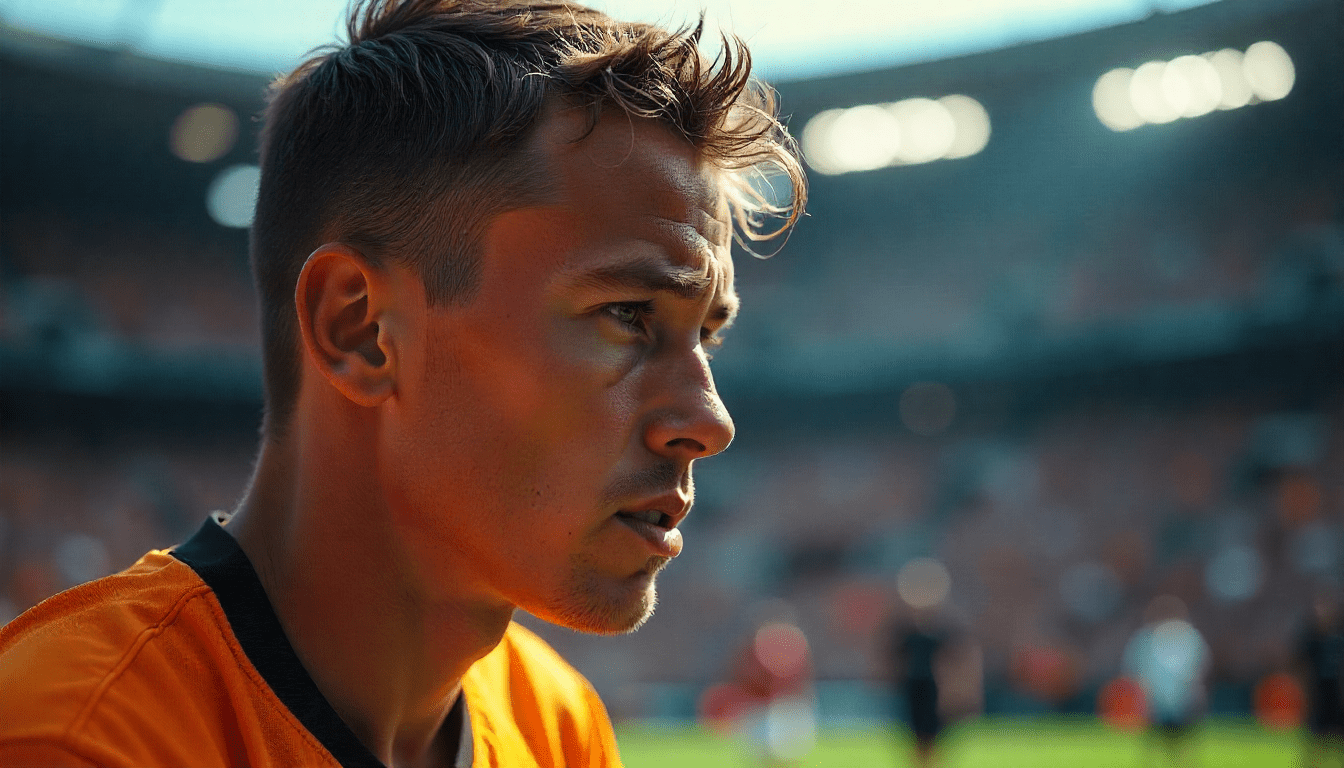
Every champion has failed more than they’ve won. What sets them apart is how they respond. Resilience is the core of mental toughness: the ability to bounce back after defeat, injury, or criticism. It turns pain into purpose.
Michael Jordan missed over 9,000 shots in his career and lost 26 potential game-winners. Those failures became the fuel that built his legacy. As he famously said, “I’ve failed over and over and over again in my life — and that is why I succeed.”
True resilience isn’t about never falling. It’s about rising stronger every time.
How does visualisation rewire the brain for performance?
Before a big race or game, elite athletes don’t only train their muscles. They train their imagination. Visualisation, or mental rehearsal, is one of the most powerful tools in sports psychology.
By picturing success mentally — every movement, every emotion, every outcome — the brain wires those experiences as if they were real. Neuroscience confirms this: mental practice activates the same neural pathways as physical execution. Olympic skiers visualise entire courses before they ever touch the snow. They win the race in their mind long before they win it on the clock.
How do top athletes turn pressure into strength?
Pressure is part of the sport. Whether it breaks you or builds you depends on perception. Athletes who view stress as a challenge release hormones that sharpen focus and performance. Those who treat it as a threat trigger anxiety that sabotages execution.
The trick is reframing. Pressure isn’t the enemy. It’s proof that the moment matters. The best athletes don’t run from it. They use it. As Serena Williams once said, “Pressure is a privilege.”
Is confidence a gift or a habit?
Confidence isn’t arrogance. It’s trust: trust in your training, your instincts, and your preparation. True confidence doesn’t mean believing you’ll never fail. It means believing you can recover when you do. That belief is built through consistency. Every rep, every drill, every disciplined decision is a vote of confidence in yourself.
Coaches emphasise process over outcome for a reason. When confidence is rooted in effort, it becomes unshakeable. Confidence isn’t a gift. It’s a habit.
Why does a collective mindset beat individual brilliance?
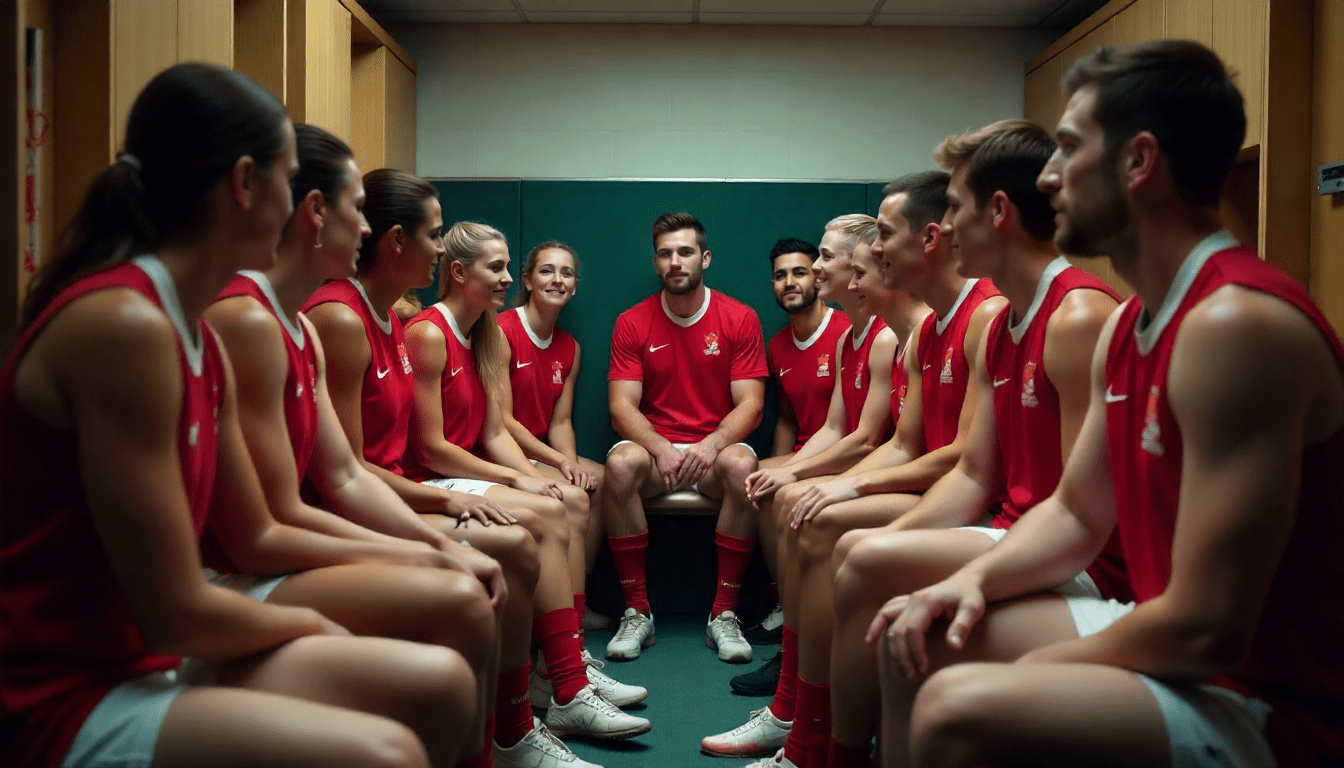
Even the greatest athletes rely on collective energy. Teams that win championships aren’t always the most skilled. They’re the most cohesive. Shared mindset, trust, and communication create what psychologists call psychological safety: an environment where players can take risks, make mistakes, and still feel valued.
Look at Pep Guardiola’s Manchester City or the Golden State Warriors. Their secret weapon isn’t only tactics. It’s chemistry. When teams believe in each other, pressure becomes shared and success becomes amplified. A united team mentality often beats individual brilliance.
How do athletes face fear and failure?
Fear is the hidden opponent every athlete has to face. Fear of losing. Fear of judgment. Fear of not being enough. Understood well, fear becomes a tool.
The most fearless athletes aren’t those who feel no fear. They’re the ones who face it daily and keep moving. They turn anxiety into adrenaline and doubt into drive. As Kobe Bryant once said, “Everything negative — pressure, challenges — is an opportunity for me to rise.”
Fear doesn’t vanish. It evolves into focus, determination, and resilience.

What does mental recovery look like after the game?
When the game ends, the mental recovery begins. Post-performance reflection helps athletes analyse what worked, what didn’t, and how to improve without attaching guilt or ego.
Modern sports psychology leans on gratitude, journaling, and mindfulness as recovery tools. They help athletes process emotions, prevent burnout, and stay connected to their love for the game. The greatest victories aren’t won on the field. They’re won in the silence that follows.
Why does the mind win first?
Talent might get you noticed, but mindset keeps you on top. The physical and mental aren’t separate. They’re two halves of the same equation. The athletes who last longest are not only the strongest. They’re the most self-aware. They understand that performance is energy, and energy flows where focus goes.
In sport, as in life, winning begins long before the whistle blows. It begins the moment you decide to believe.
FAQs about the Psychology of Winning
What is the psychology of winning in sports?
It is the mental discipline behind elite performance, covering focus, resilience, visualisation, pressure reframing, and team cohesion. Research over the last two decades shows that mental preparation can make or break elite athletes, which is why champions like Simone Biles, Novak Djokovic, and Lionel Messi credit mindset work for their longevity.
How do athletes handle pressure mentally?
They reframe pressure as a challenge instead of a threat, which releases hormones that sharpen focus rather than triggering anxiety. Breathing drills, meditation, and visualisation help athletes enter the flow state where performance feels almost effortless.
Why is resilience important for champions?
Resilience lets athletes bounce back from defeat, injury, or criticism and turn setbacks into fuel. Michael Jordan missed over 9,000 shots and lost 26 potential game-winners in his career, yet those failures built his legacy.
Does visualisation actually improve performance?
Yes. Neuroscience shows that mentally rehearsing a movement activates the same neural pathways as physically performing it. That is why Olympic skiers visualise entire courses before touching the snow.
What role does team mindset play in winning championships?
Teams that win often aren’t the most skilled but the most cohesive, relying on shared trust and psychological safety. Pep Guardiola’s Manchester City and the Golden State Warriors show how chemistry can beat individual brilliance.