Short answer: Gen Z is driving an analog revival through vinyl records, film cameras, and retro aesthetics as a pushback against algorithmic culture. Vinyl has outpaced CDs in revenue since surging every year from 2019, and imperfection has become the new mark of authenticity.
Why is a digital generation falling for analog?
In an era where AI creates art in seconds and every song is a tap away, it seems odd that Gen Z, the most digital generation ever, is obsessed with analog. Across cities, cafes, and online spaces, the return of vinyl records, Polaroid cameras, and retro fashion is impossible to ignore.
This isn’t nostalgia for a time they never lived in. It’s rebellion. A quiet pushback against the speed and sterility of the algorithm-driven world. Analog isn’t a trend. It’s a statement: slow down, make it real again.
What makes analog feel different?
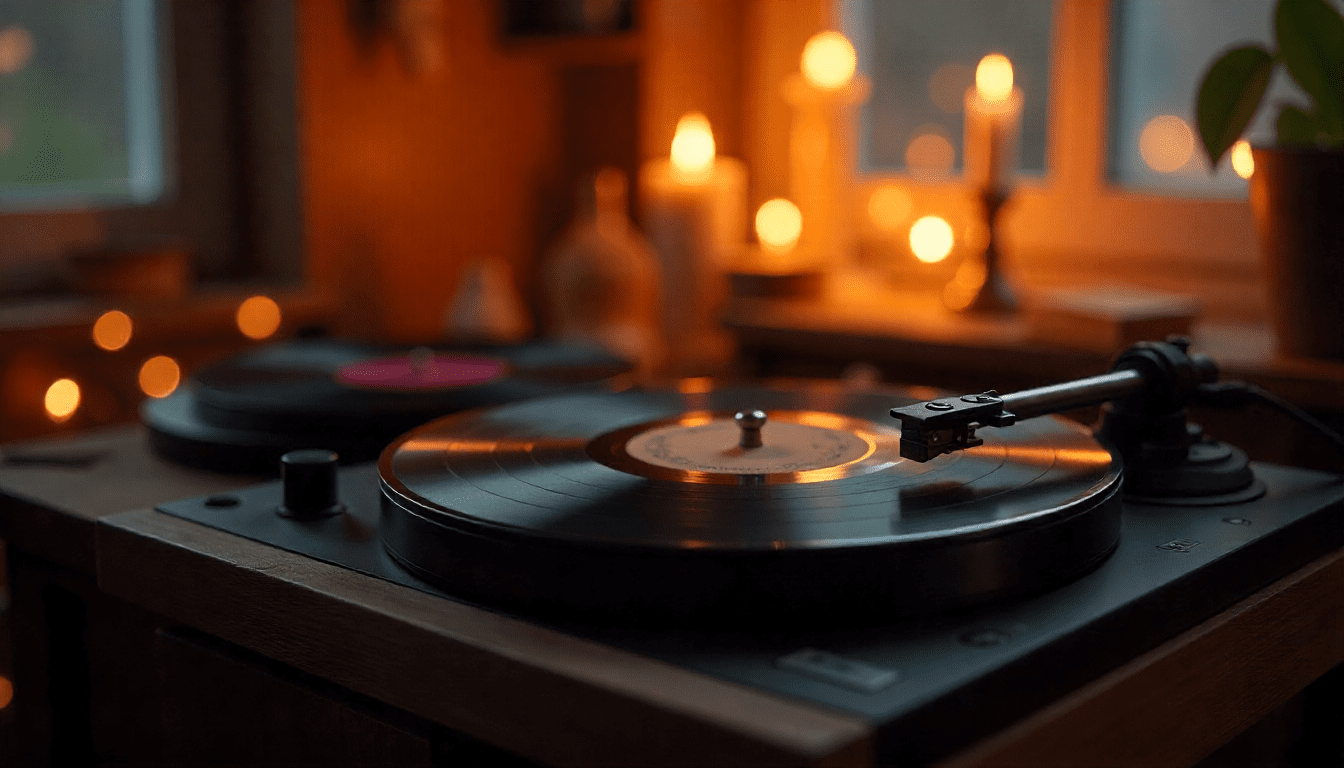
There’s something satisfying about holding music in your hands. The weight of a vinyl record, the gentle crackle of a needle drop, these remind people that art can be felt, not only streamed.
Digital culture offers convenience at the cost of texture. For many young creators, analog tools offer the opposite: imperfection, unpredictability, and emotion. Film cameras force patience. You can’t delete a shot. You wait, you develop, you discover.
That uncertainty is what gives analog art its soul.
Are vinyl sales actually growing?
Streaming may dominate listening habits, but vinyl sales have surged every year since 2019. According to the Recording Industry Association of America, vinyl now outpaces CDs in revenue, a statistic unthinkable a decade ago.
Musicians like Lana Del Rey, Arctic Monkeys, and Taylor Swift are leaning into retro production, using tape machines and vintage synths to recapture warmth lost in digital clarity. Modern producers are also adding vinyl crackle, hiss, and saturation to tracks, simulating imperfection in a perfect world.
This shift isn’t anti-digital. It’s emotional. The human ear doesn’t crave precision. It craves presence.
Why is waiting suddenly an art form?
In a culture obsessed with instant results, analog forces patience. Waiting for a film roll to develop or a record to play from start to finish slows the rhythm of creation.
Artists have described it as a kind of meditation. When there’s no undo button, every choice carries weight. Every click of the shutter or brushstroke becomes intentional.
Slowing down doesn’t hinder creativity. It deepens it. It reminds a fast-moving generation that art isn’t about output alone. It’s about process.
Why does analog feel more authentic?
Instagram and TikTok are flooded with retro-inspired content: grain filters, lo-fi colours, VHS transitions, and Polaroid frames. Beyond aesthetics, this analog revival speaks to a deeper cultural craving for authenticity.
In a digital space where everything can be edited, filtered, or fabricated, rawness has become rare. A slightly overexposed photo, a song with background noise, a painting with uneven brush lines, these imperfections feel honest.
For Gen Z creators, imperfection isn’t a flaw. It’s proof that something human made it.
How is analog a form of creative rebellion?
This movement blends eras. Old tools meet modern ideas. Artists record vocals on vintage microphones and edit on laptops. Filmmakers shoot on Super 8 cameras, then colour-grade with software.
It isn’t about rejecting technology. It’s about reclaiming control over it. Analog artistry reminds creators that creativity doesn’t need infinite tools, only meaningful ones.
This hybrid approach defines the new creative ethos: modern minds using vintage methods.
How is analog culture building community online?
Analog art has birthed entire subcultures online. Film photography collectives, record swap clubs, and zine makers are thriving. Digital platforms are helping analog spread faster than ever.
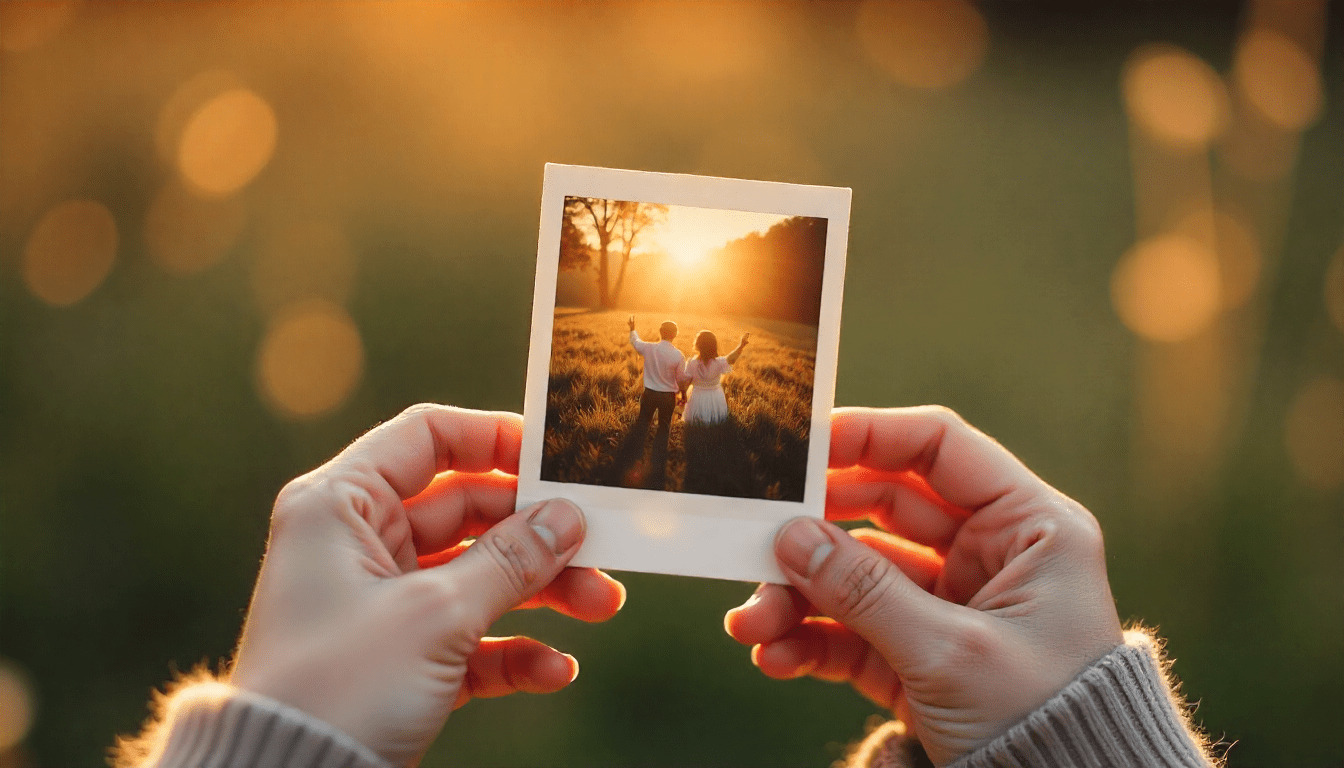
On TikTok, creators post film reveal videos with dramatic music, capturing the excitement of seeing developed photos for the first time. Vinyl listening parties stream live on Twitch. Physical art is finding digital community, a beautiful contradiction of eras.
Analog’s rise isn’t nostalgia. It’s evolution.
Why does imperfection feel more real now?
We live in a world fine-tuned by algorithms. Every playlist, photo filter, and suggestion is optimised for engagement. Human beings aren’t optimised. We’re emotional, chaotic, inconsistent.
That’s why imperfections in analog art resonate. They remind us that creation isn’t always neat. Light leaks, scratches, and sound distortion are signatures of authenticity.
Gen Z’s analog obsession is less about vintage aesthetics and more about emotional restoration.
What does this mean for the future of art and music?
As digital tools advance, analog won’t disappear. It will coexist as a counterbalance. A growing number of studios mix digital convenience with analog warmth, crafting art that feels timeless and contemporary.
Museums and galleries are archiving physical media again: film reels, tapes, negatives, recognising their value as cultural artifacts. The next decade might see a creative duality: AI-driven art on one side and handcrafted analog works on the other, each defining what it means to be real.
For artists, the future isn’t about choosing between digital or analog. It’s about bridging them, using the precision of one and the emotion of the other.
The human touch in a digital age
Analog’s revival is more than nostalgia. It’s a collective yearning for connection. When everything is designed to be instant, permanent, and algorithmic, the imperfect and impermanent suddenly feel sacred.
Gen Z’s creative movement is showing the world that progress doesn’t always mean acceleration. Sometimes it means pressing pause. In the stillness of analog, in the slow turn of a record or the soft click of a film camera, we find what technology often forgets to give us: feeling.
FAQs about the analog revival
Why is Gen Z bringing back vinyl and film cameras?
Gen Z is pushing back against algorithm-driven digital culture. Vinyl records, film cameras, and Polaroids offer texture, patience, and imperfection that streaming and smartphones don’t deliver.
Are vinyl sales actually growing?
Yes. Vinyl sales have risen every year since 2019, and according to the Recording Industry Association of America, vinyl now earns more revenue than CDs.
Which artists are driving the analog sound?
Artists like Lana Del Rey, Arctic Monkeys, and Taylor Swift are using tape machines, vintage synths, and retro production techniques to bring analog warmth back into modern music.
What is the retro aesthetic on TikTok?
The retro aesthetic covers grain filters, lo-fi colour grading, VHS transitions, and Polaroid frames. It signals authenticity and a rejection of over-polished digital content.
Is analog replacing digital tools?
No. Analog is becoming a counterbalance, not a replacement. Many creators mix digital editing with analog capture, and studios blend tape warmth with digital convenience for a hybrid workflow.