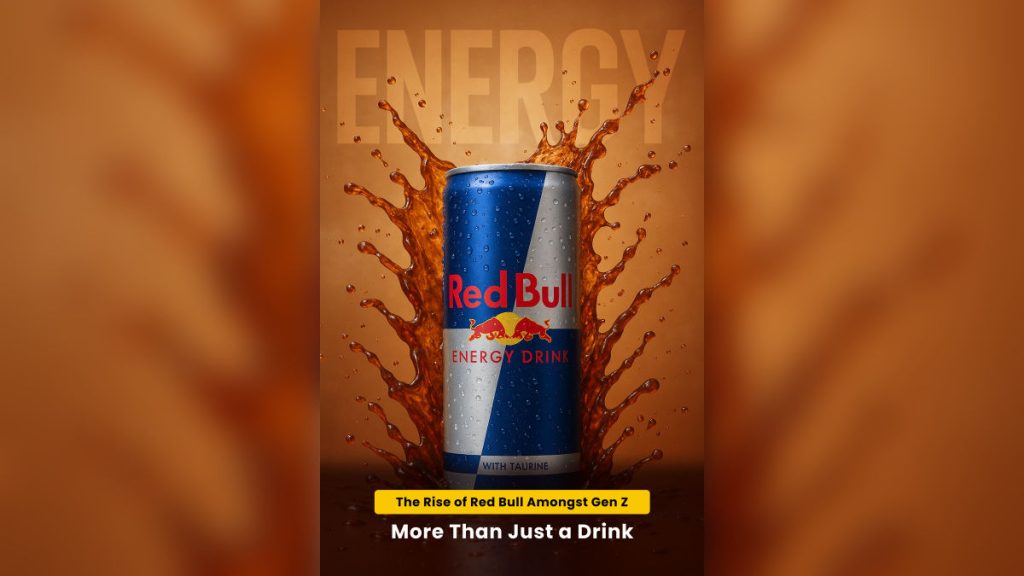
Short answer: Red Bull is popular with Gen Z because it sells a lifestyle, not a beverage. Through Red Bull Media House, sponsored extreme sports events, and athlete partnerships, the brand built a content engine that fits Gen Z’s preference for stories over ads. A 2023 Statista report found 71% of Gen Z prefer brands that create content over traditional advertising, and a 2024 Morning Consult survey ranked Red Bull among the top five non-alcoholic beverages for Gen Z, ahead of Pepsi and Sprite.
One slogan. One can. One global tribe. That’s Red Bull’s real product.
In an era where attention spans are fleeting and brand loyalty has to be earned, Red Bull pulled off something unusual. It started as an energy drink. It’s now a cultural movement, especially among Gen Z. So how did a carbonated beverage become a symbol of freedom, adventure and ambition for an entire generation? The answer isn’t one strategy, it’s a slow-cooked blend of storytelling, lifestyle branding, and a steady pulse on what young people actually care about.
What does Red Bull actually sell?
At its core, Red Bull doesn’t sell an energy drink. It sells a mindset.
From the start, the brand kept its distance from the regular beverage playbook. Instead of pushing caffeine content or flavour notes, Red Bull picked a lane: boldness, extreme sports, and life lived on the edge. The slogan “Red Bull gives you wings” isn’t catchy by accident, it’s aspirational. It speaks to Gen Z’s appetite for limitless possibilities, adventure and a kind of personal freedom that doesn’t need explaining.
For today’s young consumers (born somewhere between the late 1990s and early 2010s, give or take), products are about identity. They don’t just buy a drink. They buy what it represents. And Red Bull represents hustle, risk and a life that refuses to look like everyone else’s.

How does Red Bull win at content marketing?
If there’s one area where Red Bull genuinely shines, it’s content. The company isn’t just on social media, it owns the narrative.
Through Red Bull Media House, the brand churns out documentaries that feel like Netflix originals, sports coverage that competes with broadcasters, and behind-the-scenes access to elite athletes. Skydiving from the stratosphere. Skateboarding through abandoned cities. Red Bull tells stories Gen Z wants to be inside, and you’ll find their high-octane edits on YouTube, trend-savvy clips on TikTok, and reels on Instagram, each tailored to fit the platform’s vocabulary.
This goes beyond advertising. According to a 2023 report by Statista, 71% of Gen Z prefer brands that create content over traditional ads. Red Bull doesn’t advertise, it entertains, educates and inspires. Or rather, it does advertise, but the ad is the content.
Why do experiences matter so much for Gen Z?
For Gen Z, the digital world matters, but real-world experiences leave the deeper mark. Red Bull has built its experiential marketing around exactly that insight.
Events like Red Bull Air Race, Red Bull Cliff Diving and Red Bull Rampage aren’t spectacles. They’re immersive showcases that pull massive youth audiences. These aren’t competitions in the traditional sense, they’re high-adrenaline displays of human potential.

I remember attending a Red Bull Soapbox Race in Delhi in 2019. What struck me wasn’t just the crazy homemade cars or the cheering crowd. It was how the entire event felt like stepping inside the Red Bull universe. Branded booths. Interactive challenges. The energy was electric. For attendees, it wasn’t an event, it was a memory you’d talk about for years.
Who powers Red Bull’s brand: athletes or audiences?
Both, honestly. Red Bull works because its marketing centres people, not products. Rather than relying on faceless ads, the brand amplifies real individuals (athletes, creators, influencers) who actually live the adventurous ethos it talks about.
Whether it’s a snowboarder pulling off a gravity-defying trick or a YouTuber dragging viewers through a travel escapade, Red Bull’s collaborators reflect the passions and values of its audience. These aren’t endorsements, they’re partnerships built on shared vision.
And there’s the audience side too. Red Bull is known for co-creating content with its fans. Campaigns often feature user-generated content, encouraging people to share their own “Red Bull moments.” That two-way exchange builds a sense of belonging, a digital tribe held together by adrenaline and ambition.

Is Red Bull keeping up with Gen Z’s health shift?
While energy is at the heart of Red Bull’s identity, the brand hasn’t ignored where young consumers are heading. Gen Z is more health-aware than the generations before them. They read labels. They count sugar. They care about sustainability.
Recognising that, Red Bull expanded its lineup. The sugar-free and organic versions cater to health-conscious consumers without watering down the brand’s energetic identity. In recent years, the company has even started exploring functional beverages, drinks aimed at mental focus, recovery, or mindfulness. (Whether that’s mindfulness in a can or just smart packaging is up for debate.)

The pivot shows Red Bull isn’t stuck in the past. It’s evolving with Gen Z, adapting to nuanced needs while keeping its core identity intact.
What do the numbers say?
Let’s look at some numbers. A 2024 survey by Morning Consult found that Red Bull ranked among the top five most popular non-alcoholic beverages for Gen Z, outpacing traditional soda brands like Pepsi and Sprite.
Even more telling is the brand’s engagement rate on TikTok and Instagram, where its videos consistently outperform industry averages. Combine that with millions of attendees at Red Bull-sponsored events and you get the picture, this is a brand woven deep into the fabric of youth culture.
The brand with wings, and a vision
Red Bull’s success with Gen Z isn’t accidental. It’s the result of a carefully cultivated strategy that blends lifestyle branding, immersive experiences, content creation and authentic connection.
In a market crowded with brands shouting for attention, Red Bull stands out by speaking the language of its audience instead of yelling over it. It understands that Gen Z wants more than a product. They want purpose, belonging and stories they can live through.
As Red Bull keeps evolving, one thing stays clear: it isn’t just giving people wings. It’s showing an entire generation how to fly.

One last thought. Next time you crack open a can of Red Bull, ask yourself, what are you chasing? Whether it’s the next adventure, a creative breakthrough, or just clawing through a long Wednesday, remember, it isn’t really about the drink. It’s about the wings you grow along the way.
FAQs about Red Bull and Gen Z marketing
Why is Red Bull so popular with Gen Z?
Red Bull positions itself as a lifestyle, not a drink. It uses extreme sports, athlete partnerships and content marketing through Red Bull Media House to tell stories Gen Z wants to be part of. A 2024 Morning Consult survey ranked Red Bull among the top five non-alcoholic beverages for Gen Z, ahead of Pepsi and Sprite.
How does Red Bull’s marketing strategy actually work?
Red Bull builds owned content (documentaries, sports coverage, social-first edits) instead of running traditional ads. Through Red Bull Media House, it produces high-quality video for YouTube, TikTok and Instagram, and pairs that with live events like Red Bull Air Race, Cliff Diving and Rampage to create real-world experiences.
What makes Red Bull different from other energy drinks?
Red Bull sells identity, not just caffeine. Competitors push specs and flavour, while Red Bull invests in athletes, events and storytelling. The slogan “Red Bull gives you wings” frames the drink as aspirational, and the brand has expanded into sugar-free, organic and functional beverages to meet Gen Z’s health concerns.
What percentage of Gen Z prefers brand content over ads?
According to a 2023 Statista report, 71% of Gen Z prefer brands that create content over traditional advertising. That’s why Red Bull’s investment in Media House (its in-house content arm) pays off so well with this audience.
What are some famous Red Bull events?
The biggest are Red Bull Air Race, Red Bull Cliff Diving, Red Bull Rampage and the Red Bull Soapbox Race, which has run in cities including Delhi. These events combine extreme sports, branded experiences and large youth crowds to anchor the brand in real-world culture.