
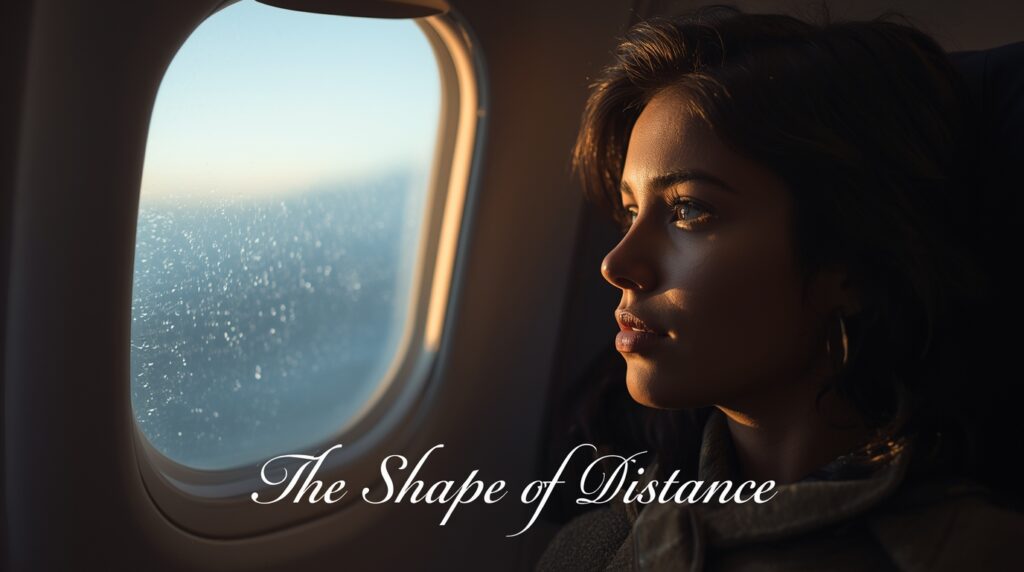
Short answer: Travel changes you by pulling you out of the roles you play at home and handing you long stretches of newness, solitude and short, honest connection. You do not notice the shift while it happens. You notice it when you return and realise your inner landscape has grown larger than the life you left behind.
There is a moment in every journey when the destination stops being somewhere else and becomes somewhere you are finally inside of. It is subtle. The air feels different. Strangers speak differently. Your body realises it is far from everything familiar. In that moment, distance becomes more than geography. It becomes transformation.
Travel is not just movement. It is expansion. Not of landscapes, but of self.
We leave home thinking we are chasing places, cities, mountains, oceans, airports, escape. Somewhere along the way, we realise we are chasing something quieter: perspective, stillness, a version of ourselves that could not exist in the routines we outgrew.
Why does leaving home feel heavier than it should?
Leaving is never only logistics. Even when it is exciting, a soft ache is built into it. You know that once you go, you will not return as the same person.
You pack more than clothes. You pack expectation, unresolved questions, curiosity, exhaustion and the subconscious hope that the unfamiliar will show you something your current world cannot.
Somewhere between the departure gate and takeoff, you begin shedding roles. Student, employee, friend, child, leader, the expected version of yourself. Travel frees you from the performance of identity. You get to be no one for a moment, anonymous, uncontextualised, undefined. That freedom feels like oxygen.

How does travel change the way you pay attention?
There is something tender about exploring a place where nothing belongs to you yet. The streets do not know your name. The sky feels shaped differently. Even silence sounds foreign.
You start paying attention, real attention, because you have to. Your senses become translators. Your curiosity becomes a compass.
The way a stranger laughs. The rhythm of traffic. The unfamiliar spice in street food. The sound of a language rolling differently in the air.
Newness forces presence. Presence reminds you what being alive feels like.
Why does loneliness on the road feel different?
Travel is not always cinematic. There are moments, late nights in unfamiliar rooms, meals eaten alone, half-charged devices, missing faces, missing routines, where loneliness shows up as an unexpected co-traveller.
Loneliness in travel is different. It does not shrink you. It stretches you. It teaches you self-company, self-trust and self-navigation. You learn how to soothe yourself, how to observe without needing to label everything, how to let the world exist without needing to mould it into comfort.
Somewhere along the journey, solitude stops being discomfort and becomes strength.

What makes short connections on a trip feel so real?
Travel reminds you that connection can be effortless. A shared joke with a stranger. A recommendation exchanged at a café. A moment of help when you are lost. A story swapped between flights.
These interactions do not demand history. They only ask for presence. Sometimes these temporary connections feel more alive than long-term ones because they are born from authenticity, not expectation.
There is something powerful in being known briefly and sincerely, without context, without reputation, without performance.
Why does coming home feel so strange after a trip?
The most surprising part of travel is not leaving. It is coming back. You come home to the same streets, the same voices, the same routines, but nothing feels the same anymore.
Your world is unchanged. You are not. Home begins to look smaller, slower, softer. Not wrong, just different.
Travel did not fix you. It expanded you. Your inner landscape is now larger than the life you left behind.
The journey that never ends
People think travel ends when luggage is unpacked and the passport returns to a drawer. Some places stay.
In memory. In taste. In body. In worldview. In the subtle way you now walk through your life with more openness, more patience, more curiosity.
Travel is not escape. It is recalibration. A reminder that the world is bigger than your fears, gentler than your memories and more generous than your assumptions.
Maybe that is the silent gift of distance: it teaches you how to come home, not to where you began, but to who you are becoming.
FAQs on how travel changes you
How does travel change you as a person?
Travel loosens the roles you play at home, slows your attention down, and pushes you into short bursts of solitude and unexpected connection. Over time it shifts how you see your own routines, relationships and priorities.
Why do I feel different after coming back from a trip?
Because you step back into the same streets, voices and routines with a mind that has just been stretched. Your world is unchanged, but your inner landscape has grown, so everything familiar suddenly feels smaller or slower.
Is travelling alone good for personal growth?
Yes. Solo travel forces self-company, self-trust and self-navigation. The loneliness of unfamiliar rooms and solo meals stops shrinking you and starts stretching you into a version of yourself that can sit with discomfort.
Why do strangers met during travel feel so meaningful?
Because those connections do not demand history. They are built on presence, not reputation or expectation, which is why a shared joke at a café or a conversation between flights can feel more alive than familiar relationships.
Can travel really change your outlook on life?
Yes, when you let it. New places, foods, languages and conversations teach you that the world is larger, gentler and more generous than your assumptions, and that recalibration stays with you long after you unpack.