Short answer: AI in daily life runs silently behind our phones, search results, social feeds, workplaces, and classrooms. Tools like ChatGPT, Midjourney, Sora, Spotify, and Google Maps already shape what we see, do, and create. The challenge is not whether AI replaces us, but whether we use it wisely without losing privacy, autonomy, or human creativity.
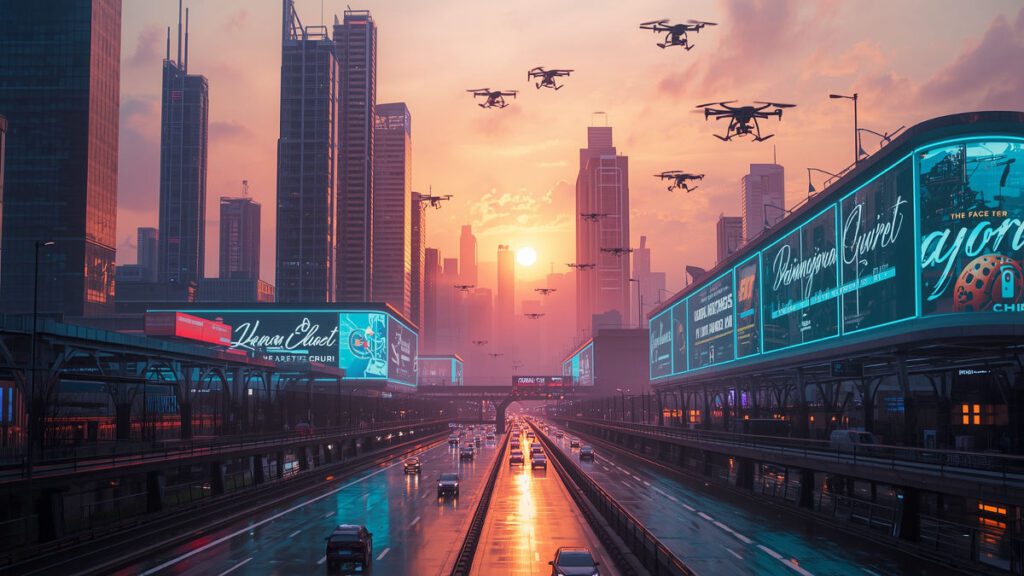
From the moment you wake up and ask your smart speaker about the weather to the second your phone predicts your next move on Google Maps, artificial intelligence has woven itself into every inch of life. This is not only a story about robots or machines mimicking minds. It is a quiet revolution shaping how we live, work, think, and feel.
AI is no longer science fiction. It is the unseen operating system of modern life.
How does AI act as the invisible assistant?
You do not see it, but AI sees you. It learns your schedule, predicts your behaviour, filters your social feed, and suggests your next song before you think of it.
This invisible assistance has become the new normal. Google’s algorithms recommend what you watch. Spotify curates your late-night playlists. Autocorrect rescues your grammar. Your food delivery app guesses what you want on a Friday night.
We are no longer only using technology. We are living with it.
How is AI changing work?
The workplace has transformed faster than most of us expected. Chatbots handle customer queries. AI models summarise reports. Automation is streamlining everything from marketing to medicine.
The real shift is not about speed. It is about what it means to “work.” Entry-level tasks are disappearing, pushing young professionals to upskill. Those who adapt find AI to be their most reliable coworker: never tired, never distracted, always ready to help.
The smartest employees today are not those fighting AI. They are those who know how to work with it.

Can algorithms be creative storytellers?
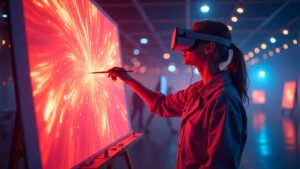
Creativity used to be purely human territory. Today, AI writes scripts, paints digital portraits, and composes music. Tools like Midjourney, Sora, and ChatGPT have turned imagination into a collaboration between humans and machines.
That raises a real question: if creativity was our final frontier and AI can now co-create, what is left?
The answer is reinvention, not fear. True creativity lies in using technology to express what only humans can: emotion, experience, and perspective. AI can generate, but it cannot feel. That is our edge.
What are the ethical risks of AI power and privacy?
As AI grows more intelligent, it also grows more invasive. Our data, from face scans to voice samples, fuels these systems. Every online search and every “agree to terms” click feeds the machine.
The issue is not only privacy; it is power. Who controls this intelligence? Who decides what is fair or biased in an algorithm that shapes millions of lives every day?
Governments struggle to regulate. Tech giants race ahead. Between innovation and intrusion, we are learning that convenience comes at a cost, often our autonomy.
Gen Z is waking up to this. The new rebellion is not against parents or authority. It is against data misuse, misinformation, and the silent manipulation of our choices.
How is your phone the most powerful AI device you own?
Look at your phone. It is the most advanced AI device you carry.
From facial recognition to voice commands, from personalised feeds to camera enhancements, your phone does more than serve you; it learns you. Each swipe, pause, and like builds a deeper profile of who you are.
AI now influences trends, fashion, and social dynamics. The content you see is not random. It is curated to hook you, keep you scrolling, and shape your worldview. It is not always malicious, but it is powerful. Understanding that is the first step to reclaiming control.
How is AI reshaping education?
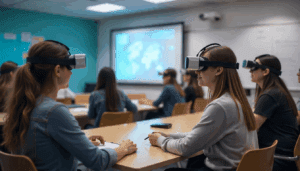
Classrooms are changing too. Virtual tutors, plagiarism detectors, and adaptive learning systems are redefining how students learn and how teachers teach.
Imagine an app that understands how you think, finds where you struggle, and reshapes the lesson in real time. That is already happening.
AI democratises knowledge, but it raises tough questions. Are students learning better, or are they becoming dependent on shortcuts? The future of education may depend less on how much AI we use and more on how wisely we use it.
What happens next for humans in an AI world?
Every revolution sparks fear and opens doors. The AI era is not about losing humanity. It is about redefining it.
Jobs will change. Creativity will evolve. Education will shift. But the essence of being human, empathy, emotion, ethics, and imagination, will remain our most valuable currency.
AI can replicate patterns, but not passion. It can predict behaviour, but not belief. It can analyse emotions, but not feel them.
The future does not belong to humans or machines. It belongs to those who can balance both.

The revolution within reach
AI is not coming. It is already here. The question is not whether it will replace us. It is whether we are ready to evolve with it.
Our generation stands at a rare crossroad where we can shape technology before it shapes us completely. The choice is clear: fear the machine, or feed it wisdom.
As the world gets smarter, our responsibility must grow too. In this silent revolution, the real intelligence is not artificial. It is human.
FAQs on AI in daily life
How does AI affect daily life?
AI powers search results, social feeds, voice assistants, autocorrect, maps, food delivery suggestions, and music recommendations. Tools like Google Maps, Spotify, and smart speakers already shape what you see, hear, and choose without you noticing.
Will AI take my job?
AI is reducing many entry-level tasks across marketing, customer service, and reporting. Workers who upskill and learn to work with AI tools like ChatGPT are finding stronger career paths than those who ignore the shift.
Can AI be truly creative?
AI tools like Midjourney, Sora, and ChatGPT can generate art, video, and text that feels creative. But they work from patterns in data. They cannot feel emotion or lived experience, which is where human creativity still leads.
Is AI a privacy risk?
Yes. AI systems feed on personal data, from face scans and voice samples to every click and search. The concern is not only privacy but power: who owns the data, who trains the models, and who decides what is fair or biased.
How is AI used in education?
Schools and students use virtual tutors, plagiarism detectors, and adaptive learning systems that adjust lessons in real time based on a student’s pace. The risk is over-reliance on shortcuts, so how wisely AI is used matters more than how much.