Short answer: Gen Z is stepping back from chasing virality because the dopamine, the burnout, the trolls, and the algorithm-shaped self-erasure aren’t worth the trade. They’re swapping mass reach for tighter communities on Discord, Substack and Patreon, and prioritising mental health, authenticity, and intentional creation. A 2023 APA study found 42% of Gen Z creators reported frequent stress related to maintaining online presence.
Once upon a digital time, going viral was the holy grail of the internet. A single TikTok, tweet or meme could rocket someone from obscurity to overnight fame. For content creators, influencers and aspiring entertainers, virality promised recognition, brand deals, and the alluring glow of relevance.
But that narrative is shifting. Especially among Gen Z — the first generation to grow up fully immersed in digital culture — the shine of going viral has begun to fade. The new reality? Many Gen Zers are increasingly saying, “No thanks.” Instead, they’re leaning into authenticity, mindful engagement and sustainable digital lives.
Why does virality still matter (sometimes)?
Let’s not pretend it’s all bad. For a lot of creators, going viral still represents a gateway to success.
Recognition and validation
When a video racks up millions of views, it can feel like the universe is finally seeing your talent. For artists, comedians, dancers or activists, that kind of attention can be exhilarating. It’s proof your voice matters, even if just for a moment.
“When my video hit a million views, I felt like I finally existed,” says Aanya, a 20-year-old animator from Pune. “For once, people cared.”
A chance to build something
Virality can grow an audience overnight. With a loyal fanbase, doors open — brand partnerships, monetisation, even full career pivots. For some creators, that single viral moment turned into full-fledged businesses.
Raising a voice for a cause
Going viral can serve a higher purpose too. Many young activists use their moment in the spotlight to raise awareness about climate change, gender justice, mental health, or racial inequality. Social impact meets algorithmic luck. And sometimes, it works.
What is the dark side of going viral?
Behind the applause, however, lies a more complex reality. The truth: viral fame is often unpredictable, unsustainable, overwhelming.
The pressure to stay relevant
Viral success is like lightning — striking fast, fading even faster. With it comes a constant pressure to replicate the moment. “What’s next?” becomes a daily anxiety. For many, that pressure breeds burnout, especially when creativity starts feeling like a performance rather than expression.
In fact, a 2023 study by the American Psychological Association found that 42% of Gen Z content creators reported frequent stress related to maintaining online presence and engagement.
The troll storm
Fame brings eyes, and not all of them kind. As your content reaches wider audiences, you’re more exposed to criticism, mockery and hate. Online harassment, doxxing and toxic comment threads become a daily battle. It takes a toll, even on the most resilient minds.
“I went viral for a dance video, and suddenly strangers were dissecting everything about me — my body, my voice, my clothes. It was humiliating,” shares Vedika, 19, from Mumbai.
Authenticity vs algorithms
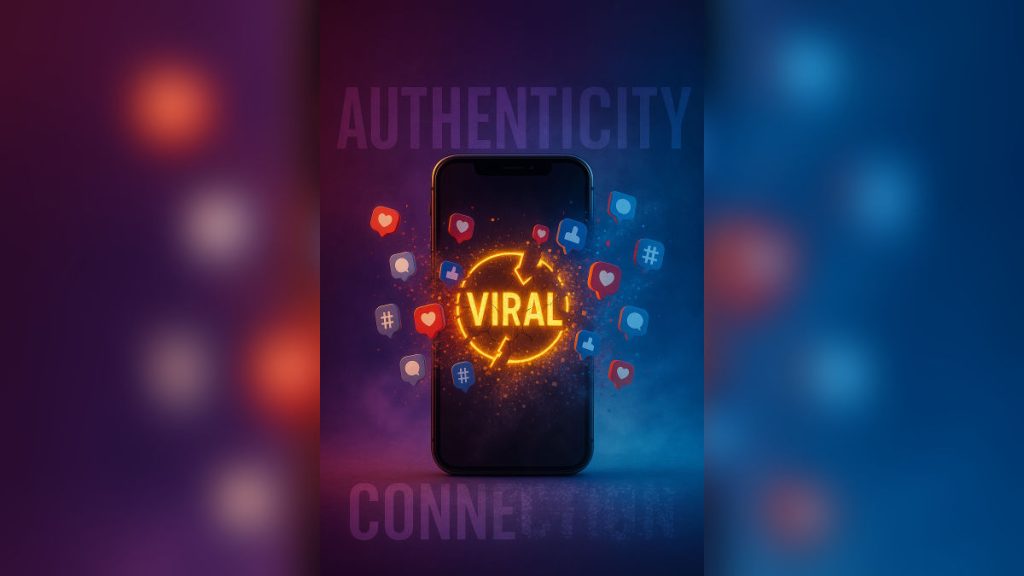
In the race to go viral, authenticity often becomes collateral damage. Creators may feel pressured to mimic trends, follow formats, or exaggerate their personalities — just to stay “engaging.” Over time, this builds a disconnect between who they are and who they feel they have to be online.
This performative loop, while lucrative for algorithms, is exhausting for individuals who genuinely crave real connection.
How is Gen Z shifting from clout to connection?
Unlike the millennial era of social media, where viral fame was often seen as a ticket to success, Gen Z is redefining what “success” online actually looks like.
Prioritising realness over reach
Gen Z wants authenticity, not aspirational perfection. According to a McKinsey report, 76% of Gen Z respondents said they’re more likely to support influencers who are “genuine and relatable” over those who are “popular or polished.”
They gravitate toward creators who show vulnerability, messy moments, and honesty — not those chasing virality for vanity’s sake.
Building communities, not fanbases
Instead of millions of passive followers, Gen Z creators are focusing on smaller, tighter communities. Platforms like Discord, Substack and Patreon allow for deeper conversations and more meaningful interaction.
“I don’t care about going viral anymore,” says 22-year-old game designer Aman. “I just want 200 people who care about my work and talk to me like humans.”
Mental health comes first
Perhaps most importantly, Gen Z is putting mental health above metrics. They understand the emotional rollercoaster that comes with chasing trends — the dopamine highs, the crash after the hype dies down, the emptiness when likes don’t convert into support.
Instead of fighting algorithms, many are choosing to step back, set boundaries, take digital detoxes, and engage with social media on their own terms.
The unstable economics of going viral
Virality doesn’t equal stability. While a trending post might bring in brand deals or cash briefly, it’s rarely sustainable. Payments from platforms are inconsistent, sponsored content fluctuates with audience engagement, and fame without financial security can feel hollow.
For many young creators, chasing virality feels like chasing clouds — beautiful to look at, impossible to hold onto.
The rise of intentional creation
As the allure of going viral dims, something better is rising in its place: intentional creation.
Gen Z is increasingly creating for meaning, not metrics. They’re filming videos about niche hobbies, starting podcasts on under-discussed topics, and launching micro-projects for small audiences — all without expecting or even wanting mass virality.
They want to express, not impress. To contribute, not just collect views.
Not anti-fame, just pro-purpose
Gen Z isn’t rejecting virality out of fear. They’re rejecting it out of wisdom.
They’ve seen what the internet can give — and take away. They know going viral can open doors, but it can also open wounds. And so, they’re choosing something more lasting: purpose, community, mental well-being.
In a world obsessed with numbers, Gen Z is reminding us that being known by many isn’t as powerful as being understood by a few.
So next time you’re tempted to ask, “How do I go viral?” — maybe ask instead, “What do I actually want to say?”
Because being seen is easy. Being heard, that’s the real revolution.
FAQs about Gen Z and going viral
Why is Gen Z no longer chasing virality?
Gen Z has watched virality up close and seen the burnout, troll storms, mental health toll, and how chasing algorithms erodes authenticity. A 2023 American Psychological Association study found 42% of Gen Z content creators reported frequent stress tied to maintaining online presence. Many now prioritise community, mental health, and intentional creation over reach.
What does Gen Z want from creators instead of viral fame?
According to a McKinsey report, 76% of Gen Z respondents said they’re more likely to support influencers who feel “genuine and relatable” over those who are “popular or polished.” They gravitate toward creators who show vulnerability, messy moments, and honesty rather than those who chase trends for vanity.
What is intentional creation?
Intentional creation is the practice of making content for meaning rather than for metrics. Gen Z creators are launching niche podcasts, micro-projects, and personal newsletters aimed at small but committed audiences — without targeting mass virality. The goal is expression and contribution, not impressing the algorithm.
What are Gen Z’s preferred platforms for community over virality?
Discord, Substack, and Patreon are the platforms most associated with this shift. They allow deeper conversations, paid subscriptions, and more meaningful interaction than traditional reach-driven social platforms — supporting smaller, tighter communities rather than passive follower counts.
Is going viral still worth it for any creator?
It depends. Virality can still help artists, comedians, activists and entrepreneurs build a fanbase, score brand deals, or amplify causes like climate change and mental health. But it’s unpredictable and unsustainable on its own. The most resilient creators tend to use viral moments as a launchpad for something deeper, not as the goal itself.