Short answer: Content goes viral when it mixes strong emotion (awe, humor, anger), relatability, and shareability — then algorithms amplify it through engagement loops. Stanford research shows emotional arousal makes people 70% more likely to share, and the average viral moment lasts 5 to 9 days before attention moves on.
Every day, billions of people scroll through an endless stream of content, yet only a few moments break through. A random meme, a heartfelt clip, a tweet from nowhere suddenly dominates timelines and conversations worldwide. That phenomenon — virality — shapes culture, drives trends, and creates careers overnight.
So what truly makes something go viral? Is it luck, timing, or a formula we can decode? The answer sits in a blend of psychology, data, and human emotion: the unspoken language of the internet.
What makes content go viral?
Virality isn’t random. It’s a combination of relatability, emotion, and shareability. When a piece of content resonates deeply enough to push people from watching to sharing, it spreads fast.
Research from Stanford University found that emotional arousal — particularly awe, humor, or anger — makes users 70% more likely to share content. Viral moments aren’t built on neutrality; they’re built on strong feelings.
Every viral hit, from the “Ice Bucket Challenge” to TikTok dances, has one thing in common: it connects emotionally before it connects algorithmically.
How do algorithms decide what goes viral?
Social platforms don’t create virality; they amplify it. Algorithms reward engagement — likes, shares, and watch time — creating feedback loops that push high-performing content to more users.
In 2025, AI-driven algorithms have become sharper. They track user behaviour in microseconds, learning what triggers dopamine spikes and keeping people hooked. Content that provokes quick, intense reactions (surprise, laughter, outrage) travels fastest.
There’s a dark side. The same systems can reward outrage or misinformation as easily as joy. The race for attention has produced an attention economy where emotional manipulation often outperforms authenticity.
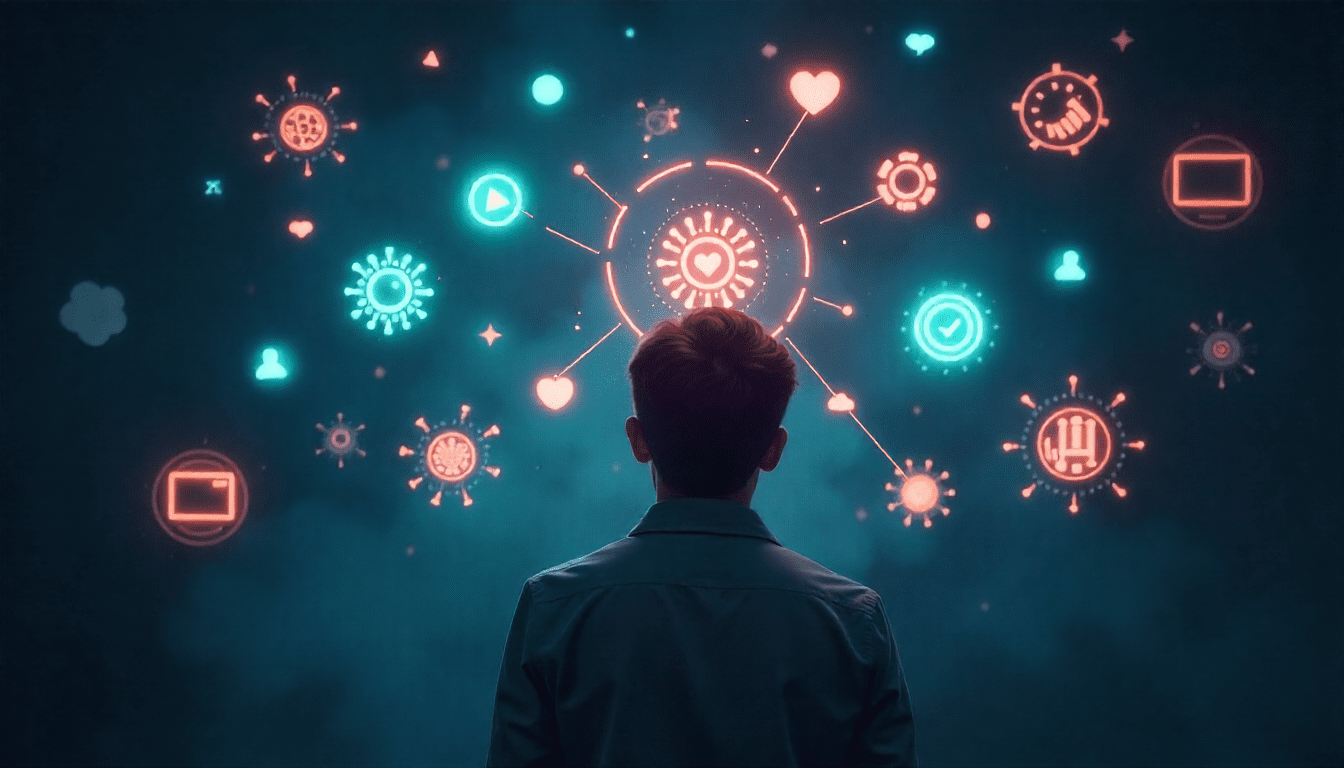
What happens to creators when they go viral?
Behind every viral moment is a human story, sometimes uplifting, sometimes overwhelming. For creators, virality can mean instant fame and immense pressure in the same breath.
One viral post can bring brand deals, interviews, and millions of followers. It can also bring hate, burnout, and loss of privacy. Many creators describe the experience as surreal at first, then exhausting as they try to “repeat” the success.
Virality is unpredictable. You can build conditions for it, but you can’t control it. The internet decides, and it decides fast.
Are viral trends really spontaneous?
Trends are the language of the Buzzsphere — they dictate what’s cool, funny, or shareable in the moment. Most of them aren’t spontaneous. They’re engineered.
Brands, influencers, and even governments now hire cultural analysts to predict emerging online behaviours. Hashtag campaigns, challenges, and meme templates are crafted to feel organic but are often part of strategic releases.
Yet the most successful trends still come from authentic chaos: a video shot on a phone, a quote out of context, a laugh that feels real. The internet loves rawness, not perfection.
Why are memes so powerful online?
Memes are the ultimate expression of Buzzsphere energy. They evolve, mutate, and spread faster than any ad campaign can. They’ve become a form of communication, politics, and even protest.
A meme isn’t just a joke. It’s a social signal that says, “I get it.” Memes unify subcultures, turning shared humour into shared identity.
In marketing, memes have become one of the most potent tools for engagement. A clever meme can outperform a million-dollar campaign because it speaks the internet’s native language of wit and timing.

How long does a viral moment last?
Every viral trend follows a predictable pattern:
- Ignition — Someone posts something unique, funny, emotional, or shocking.
- Acceleration — Early adopters share it across networks.
- Explosion — Influencers or major accounts amplify it.
- Saturation — Brands and media jump in, recreating the trend.
- Decline — Users move on, calling it “cringe” or “old.”
The average viral moment lasts 5 to 9 days before attention shifts elsewhere. The Buzzsphere moves fast, and that speed defines digital culture.
Why do we share things online?
Psychologists have found that people share to express identity. A tweet, meme, or video becomes a digital mirror — a way of saying, “This is who I am.”
We also share for belonging. Every retweet or stitch is a social handshake, a way of connecting with people who “get it.” Humour, empathy, and authenticity consistently outperform shock or cynicism.
In the Buzzsphere, relatability is currency. The more human something feels, the more viral it becomes.
How should brands approach viral marketing?
For brands, virality is both opportunity and risk. Jumping on trends can make them feel culturally relevant, but one wrong move can backfire instantly.
The rule? Don’t force it. Audiences can sense when a brand is trying too hard. The best viral marketing happens when companies add genuine value or humour to a conversation, not when they hijack it.
Duolingo and Wendy’s are good examples. Their social teams act like real people — witty, unpredictable, and occasionally unhinged — earning loyalty by playing within the culture, not above it.

What is the future of virality?
Tomorrow’s Buzzsphere won’t be ruled by a few viral moments. It’ll be shaped by micro-virality: niche trends that thrive within communities before spreading outward.
AI-generated content will keep evolving, letting anyone create realistic visuals, songs, or stories in seconds. As digital creation becomes easier, authenticity becomes rarer and more valuable.
The creators of tomorrow won’t win by posting more. They’ll win by connecting deeper. The Buzzsphere is shifting from mass appeal to meaningful resonance.
The pulse that never stops
The Buzzsphere is chaotic, unpredictable, and unstoppable. It’s where global culture is born, evolves, and disappears — all inside a week.
Understanding virality isn’t about hacking the algorithm. It’s about understanding people. Every viral moment reflects what we collectively feel, fear, or find funny. In the end, virality isn’t about views. It’s about connection, and that’s something no algorithm can truly replicate.
FAQs about viral content and the virality code
What percentage of content actually goes viral?
Only a tiny fraction of posts go viral. Most social content reaches under 100 people. Viral status generally requires a combination of emotional arousal, timely relatability, and early amplification by influencers or communities before algorithms push it wider.
Can you engineer a viral moment?
You can build the conditions — strong emotional hook, shareable format, cultural timing, and influencer seeding — but you cannot guarantee it. Audiences ultimately decide. Brands that try too hard often fail because viewers can sense manufactured hype.
Which emotions drive the most shares on social media?
Awe, humour, and anger are the strongest drivers. Stanford research shows emotional arousal makes users 70% more likely to share. Neutral or mildly positive content rarely spreads, while content that surprises, delights, or provokes moves fastest.
What is micro-virality?
Micro-virality is when content blows up inside a specific community or niche before (or instead of) spreading to the mainstream. It matters more in 2025 because algorithms increasingly serve tight interest graphs rather than one global feed.
Why do viral trends die so quickly?
Attention is finite and audiences tire of repetition. Once brands and media saturate a trend, users label it “cringe” and move on. The average viral moment lasts 5 to 9 days — the lifecycle runs from ignition to decline at internet speed.