
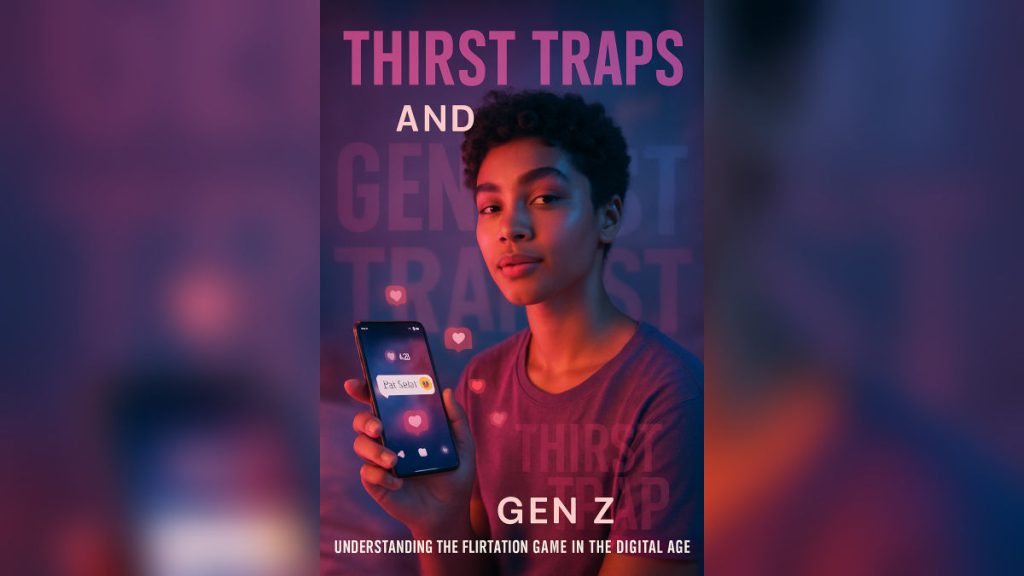
Short answer: A thirst trap is a curated, often sultry social media post designed to attract attention, admiration and digital engagement. For Gen Z, raised on Instagram, Snapchat and TikTok, thirst traps blend flirtation, validation and self-expression. According to a 2022 Pew Research study, nearly 60% of Gen Z respondents said social media impacts their self-esteem, which is part of why thirst traps land so hard.
Gen Z has invented a lot of new ways to flirt. One of the more intriguing, and sometimes controversial, is the “thirst trap.” The phrase sounds cheeky, even funny. But the implications stretch beyond playful selfies, into deeper conversations about attention, validation, relationships and identity in the age of Instagram and TikTok.
What exactly is a thirst trap?
A “thirst trap” is essentially a social media post, often a carefully curated selfie or sultry photo, designed to attract attention, admiration and digital engagement. Think of it as a virtual wink, posted publicly. The word “thirst” here refers to a kind of desperate craving for attention, usually romantic or sexual.
But don’t be too quick to judge. Thirst trapping isn’t always about desperation. Sometimes it’s playful. Sometimes empowering. And sometimes it’s just about feeling good in your own skin and showing that off to the world.

What makes a post a “thirst trap”?
1. Intent over image
Not every sultry photo is a thirst trap. The difference lies in intent. Is the photo meant to elicit likes, flirty comments, or DMs? Then it likely qualifies. If it’s just a nice vacation shot in swimwear or a gym progress update with no undertone of flirtation, it may not be thirst trapping at all.
2. Visual cues
Thirst traps often involve poses or outfits that highlight certain features. A smouldering look, a low-cut shirt, an artfully tousled bedhead. Mirrors, lighting, angles, all carefully chosen to maximise visual appeal.
3. The caption game
Sometimes the photo is subtle but the caption gives it away. Phrases like “felt cute, might delete later,” or something more cryptic like “new beginnings 👀” can add flirtatious ambiguity. These captions invite interaction, curiosity and flattery.
4. The audience
While some thirst traps aim for wide appeal, others are targeted, meant to catch the attention of one specific person. Post-breakup thirst traps are notorious for being “accidental” messages to an ex.

Why is Gen Z hooked on thirst traps?
A generation raised on social media
Gen Z lives online. From Snapchat to TikTok, expressing yourself digitally isn’t second nature, it’s expected. Thirst traps are a natural evolution of that behaviour. They’re part of how Gen Z navigates desirability, flirts from a distance, and gauges interest before making a move.
Validation and self-esteem
According to a 2022 Pew Research study, nearly 60% of Gen Z respondents said social media impacts their self-esteem. Thirst traps, in this light, can serve as mini-boosts of confidence, especially when likes and compliments roll in.
The catch is, that external validation can feel good in the moment but quietly fuels a cycle of dependence, where self-worth becomes tied to digital affirmation.
Empowerment through visibility
For many, especially those exploring their identities, thirst traps are more than flirty photos. They’re a declaration of self-confidence. LGBTQ+ individuals, in particular, have used thirst trapping as a form of self-affirmation in spaces where traditional forms of validation aren’t always accessible.
Are thirst traps okay in a relationship?
The dynamics get more complex when there’s a romantic relationship in the picture. Is it okay to post provocative photos when you’re taken? What counts as disrespect, and what’s just harmless fun?
Open communication is key
Every relationship has its own boundaries. Some couples are completely fine with public flirtation, others prefer exclusivity in digital self-presentation. What matters most is that both partners feel respected and heard.
Avoid assumptions
Not every thirst trap is a cry for attention from strangers. Sometimes, it’s about personal empowerment. Before jumping to conclusions or accusations, it’s worth asking: why did they post this? What do they need right now?
Trust and context
Trust plays a central role. If a partner is frequently posting thirst traps and hiding it, or using it to spark jealousy, it could point to deeper relational issues. On the other hand, a one-off gym selfie with flirty energy might just be harmless self-love.

What are the ethical and emotional considerations?
Thirst trapping isn’t inherently wrong. But like most things in the digital age, it comes with caveats.
- Misinterpretation is common: what one person sees as self-expression, another might see as attention-seeking or flirtation.
- It can fuel insecurity: if one partner thrives on thirst traps and the other doesn’t feel seen, it can create imbalance.
- It’s easy to overdo it: the dopamine rush from likes can lead to a kind of performance addiction, where self-worth depends on the next post’s engagement rate.

A friend of mine once described it perfectly: “I posted a thirst trap after a bad breakup, not because I wanted to move on with someone new, but because I needed to remind myself that I could still be wanted.” That post helped her get back on her feet emotionally. But it also led to DMs she wasn’t ready to navigate.
Is every attractive post a thirst trap?
Absolutely not. A photo in a cute outfit or a video showing off dance moves doesn’t automatically qualify. The difference often comes down to intent and tone, the reason behind the post, not just the aesthetics, decides whether it’s a thirst trap.
As Forbes notes, “Understanding thirst traps helps us decode how Gen Z is reshaping modern courtship through screens and self-image.”
Flirt smart, post smarter
Thirst traps are part of a broader Gen Z language, one that blends digital flair with emotional complexity. Used thoughtfully, they can be empowering and even a playful part of romance. But like any form of communication, they ask for awareness, honesty and empathy.
Whether you’re posting a thirst trap or navigating one in a relationship, the key is understanding intention, setting boundaries, and keeping the dialogue open.

So, the next time you see, or post, a thirst trap, ask yourself: is this about connection, confidence, or something else entirely?
And remember, likes may fade, but real self-worth should never be trapped behind a screen.
FAQs about thirst traps and Gen Z
What does “thirst trap” actually mean?
A thirst trap is a social media post, often a curated selfie or sultry photo, designed to attract attention, flirty comments and DMs. The “thirst” part refers to a craving for attention, usually romantic or sexual. The defining factor is intent: a swimwear vacation shot isn’t a thirst trap unless it’s meant to elicit engagement.
Why does Gen Z post so many thirst traps?
Gen Z grew up on Snapchat, Instagram and TikTok, where digital self-expression is the default. Thirst traps fit that ecosystem, they’re a way to flirt from a distance, gauge interest and seek validation. A 2022 Pew Research study found nearly 60% of Gen Z respondents said social media impacts their self-esteem.
Is posting a thirst trap cheating if you’re in a relationship?
Not by default. It depends entirely on the boundaries you and your partner have set. Some couples are fine with public flirtation, others aren’t. The trouble usually starts when thirst traps are hidden, used to provoke jealousy, or posted without an honest conversation about what’s okay.
How do you tell a thirst trap from a normal selfie?
Look at intent and packaging. Carefully chosen lighting, posing, and a flirty or cryptic caption like “felt cute, might delete later” usually mean the post is engineered for engagement. A casual gym progress photo or vacation shot without that undertone is usually just a selfie, not a thirst trap.
Are thirst traps bad for mental health?
They can be, when self-worth gets tied to likes and compliments. The dopamine rush from engagement can spiral into a performance addiction. Used thoughtfully, though, thirst traps can boost confidence and act as self-affirmation, particularly for people exploring their identities or rebuilding after a breakup.