Short answer: Trevor James, better known as The Food Ranger, built a global YouTube and Instagram following by eating where locals eat — back alleys in Chengdu, vada pav stalls in Mumbai, family-run kitchens nobody else films. His mix of authentic storytelling, genuine excitement and respect for local cooks turns simple street meals into shareable cultural journeys.
Think of food influencers in 2026 and the default image is glossy. Five-star plates, perfect lighting, slow-motion cheese pulls. Easy. But Trevor James, better known as The Food Ranger, took a different turn — back alleys, bustling markets, sizzling roadside stalls where culture actually lives. That’s the brand.
His secret? A blend of authentic storytelling, unfiltered enthusiasm, and deep respect for local traditions. With millions of followers across YouTube and Instagram, Trevor has turned what could have been just another food vlog into a global culinary thing.
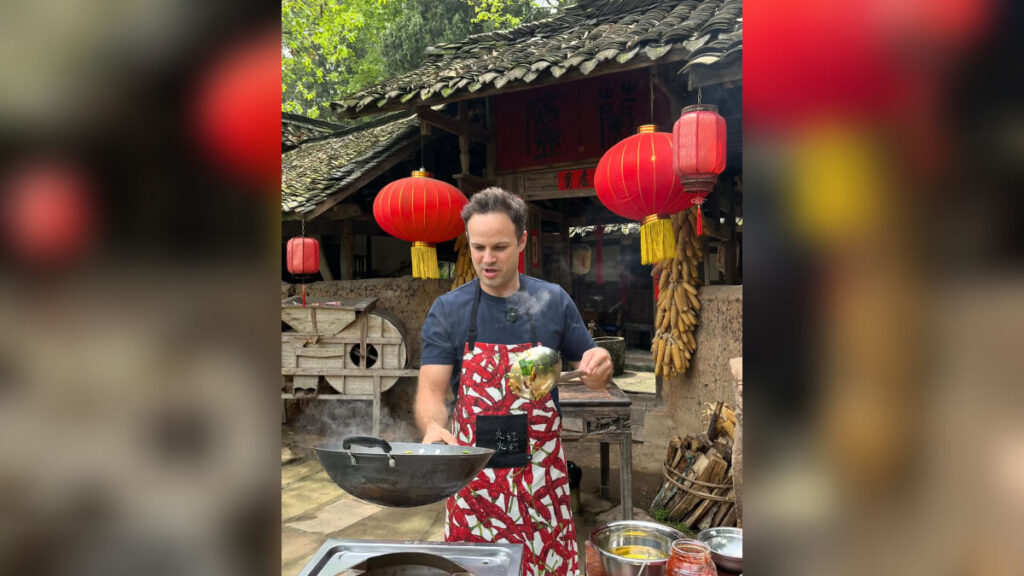
I remember stumbling onto one of his videos years ago. Trevor eating fiery noodles on the streets of Chengdu, tears in his eyes but still grinning through every bite. It wasn’t just entertaining; it felt like being pulled into someone’s personal adventure. That’s the magic that makes him stand out.
How did a curious traveller become a global food storyteller?
Trevor’s journey didn’t start with the goal of becoming a global influencer. Like many creators, it began with curiosity and a love for travel. While most travellers chase monuments or landscapes, Trevor chose food as his window into new cultures. A simple choice. A different one.
Over time the curiosity turned into a full-fledged brand. Today his content blends:
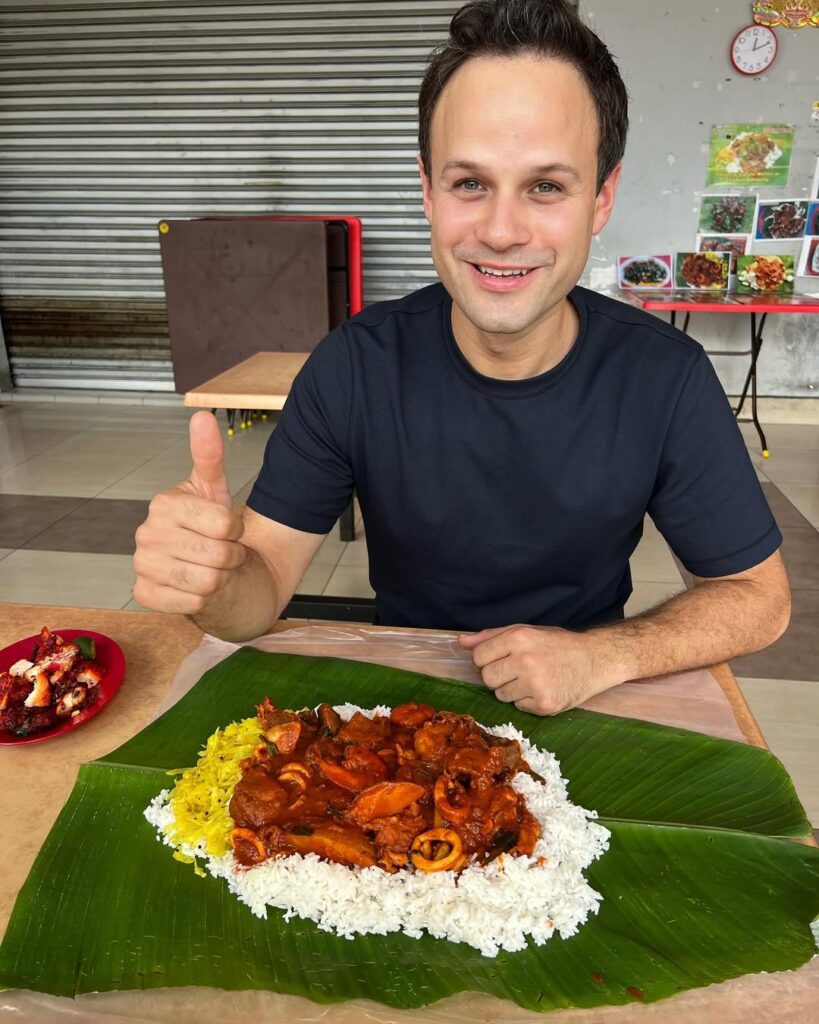
- Street Food Explorations — From Mumbai’s vada pav to Bangkok’s spicy curries, he shines a light on food that locals eat every single day, not the tourist menu.
- Cultural Immersion — Markets, family-run eateries and chats with vendors give his videos a layer of authenticity rarely seen elsewhere.
- Food Challenges — Gigantic bowls of noodles, dishes drenched in chili, or unusual local delicacies, all embraced with enthusiasm rather than performance.
- Recipe Cameos — A vendor’s flick of the wrist, a cook’s technique you’d never catch on a wide shot.
In many ways, Trevor isn’t just documenting food; he’s documenting the heartbeat of a community through its flavours.
Why does his content actually work? The five pillars of The Food Ranger
1. Intense street food experiences
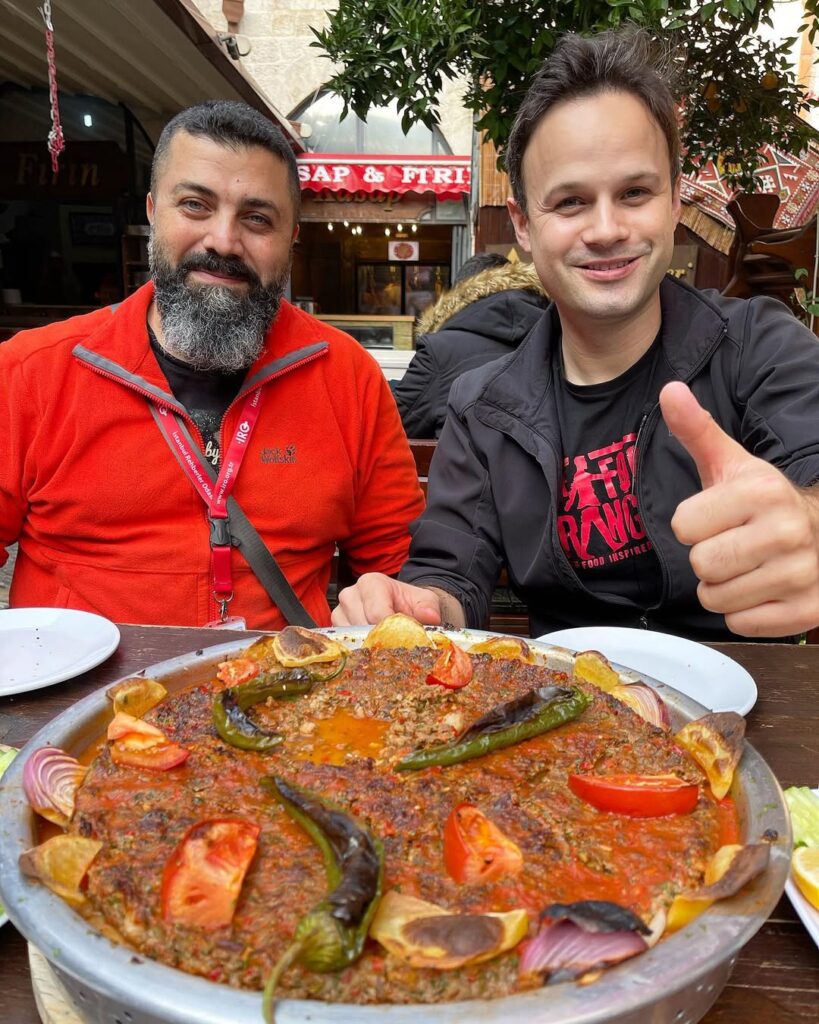
What sets Trevor apart is his willingness to dive head-first into food that’s bold, spicy, or downright extreme. He’s not afraid to sweat through a chili challenge or try something unfamiliar (and frankly, scary). This bravery resonates with viewers who’ll never try these dishes themselves but love watching someone else go for it.
2. Local food discoveries
Instead of highlighting luxury restaurants, Trevor seeks out family-owned shops and hidden gems. By showcasing authentic flavours made by ordinary people, he taps into the nostalgia and pride of locals while offering outsiders an unfiltered glimpse into culinary culture. The vendors get airtime they’d never otherwise see — and that matters.
3. Cultural context
Food doesn’t exist in a vacuum. It carries stories of history, migration and identity, and Trevor’s strength lies in weaving these threads into his content. A plate of dumplings becomes a lesson in community traditions. A spicy curry becomes a story about resilience and flavour. Even a mango sticky rice can carry a region’s whole personality.
4. Visual storytelling
His videos and photography are cinematic without feeling staged. Extreme close-ups of sizzling pans, the rhythm of street vendors chopping vegetables, the vibrant chaos of a night market — together they create something immersive. You can almost smell it.
5. Enthusiasm and authenticity
Above all, Trevor radiates genuine excitement. His wide-eyed reactions and heartfelt gratitude towards cooks make viewers feel he’s not just filming content. He’s truly savouring the moment. And you can’t fake that for a decade.
Audience: who follows The Food Ranger?
Trevor’s appeal spans generations, but his strongest base sits with foodies, travellers and cultural enthusiasts aged 25–55. Wider than you’d think.
- Many are adventurous eaters themselves.
- Others enjoy his content as a form of “food tourism,” travelling vicariously through his videos.
- A growing segment includes younger creators who are inspired to pursue their own culinary storytelling, and yes, you can spot the influence in their cuts.
What unites them all is a love for authentic, non-touristy experiences. For someone stuck in an office job or unable to travel, Trevor’s videos offer an escape — a chance to taste the world through somebody else’s plate.
How does the business of food and travel actually work for him?
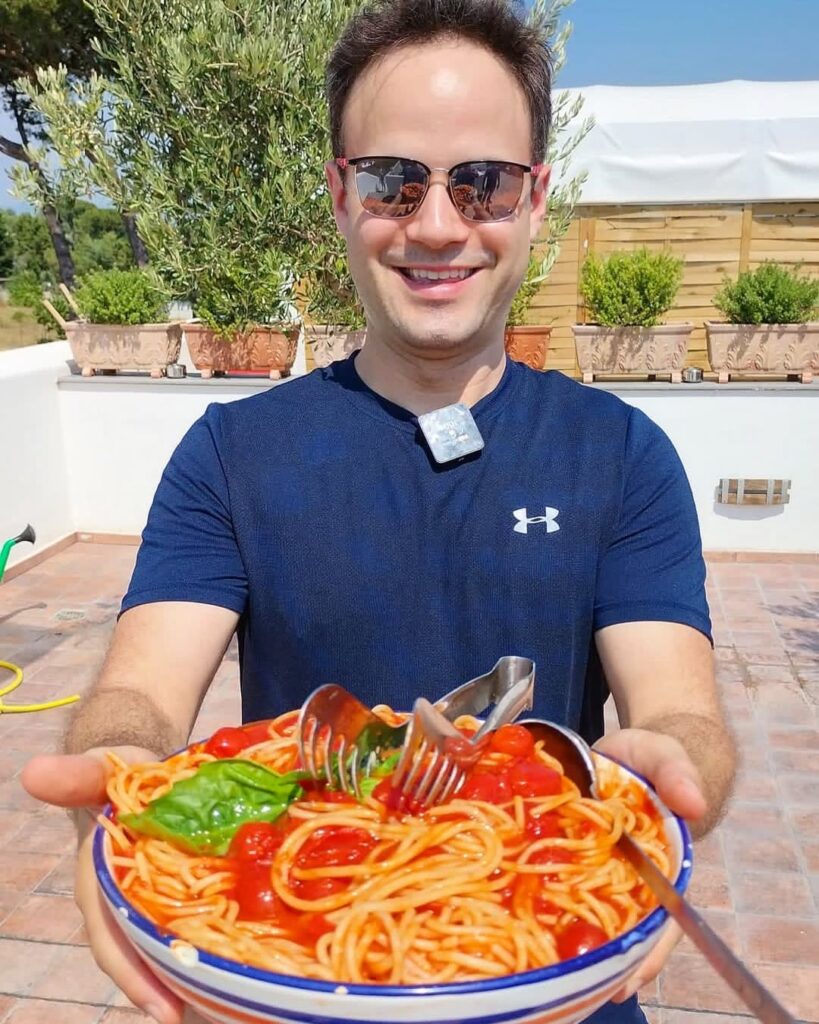
With his massive global following, Trevor isn’t just an influencer. He’s a powerful collaborator for brands in industries from food to travel.
Potential partnerships
- Food & Beverage: Spices, sauces, packaged meals that line up with his adventurous style.
- Travel & Tourism Boards: Campaigns that highlight local cuisines to boost cultural tourism.
- Kitchen Appliances: Portable stoves, unusual cooking gadgets, gear for travellers.
- Lifestyle & Apparel: Comfortable, practical wear for the road.
- Tech Brands: Drones, cameras and equipment that help him capture his signature cinematic shots.
Why brands trust him
Unlike traditional influencers who lean on polished aesthetics, Trevor’s USP lies in credibility. Audiences believe him because he genuinely eats, explores and enjoys what he features. That trust translates into collaborations where the product or destination feels like a natural part of the story — or rather, never feels like a placement at all.
Memorable moments that define his brand
- Mumbai Street Food Tour — Watching Trevor dive into pav bhaji and vada pav, his excitement mirrored the chaos and joy of India’s street food culture.
- Chengdu Market Explorations — His adopted home in China gave him countless opportunities to showcase spicy hot pots and Szechuan specialties. These episodes feel like love letters to the cuisine, not coverage of it.
- The Spiciest Curry Challenge in Thailand — A fiery, sweat-inducing spectacle that captured his willingness to push past comfort for the sake of the experience.
These moments are more than viral clips. They’re proof of his ability to make food feel like an adventure worth sharing.
Why does Trevor resonate with millions?
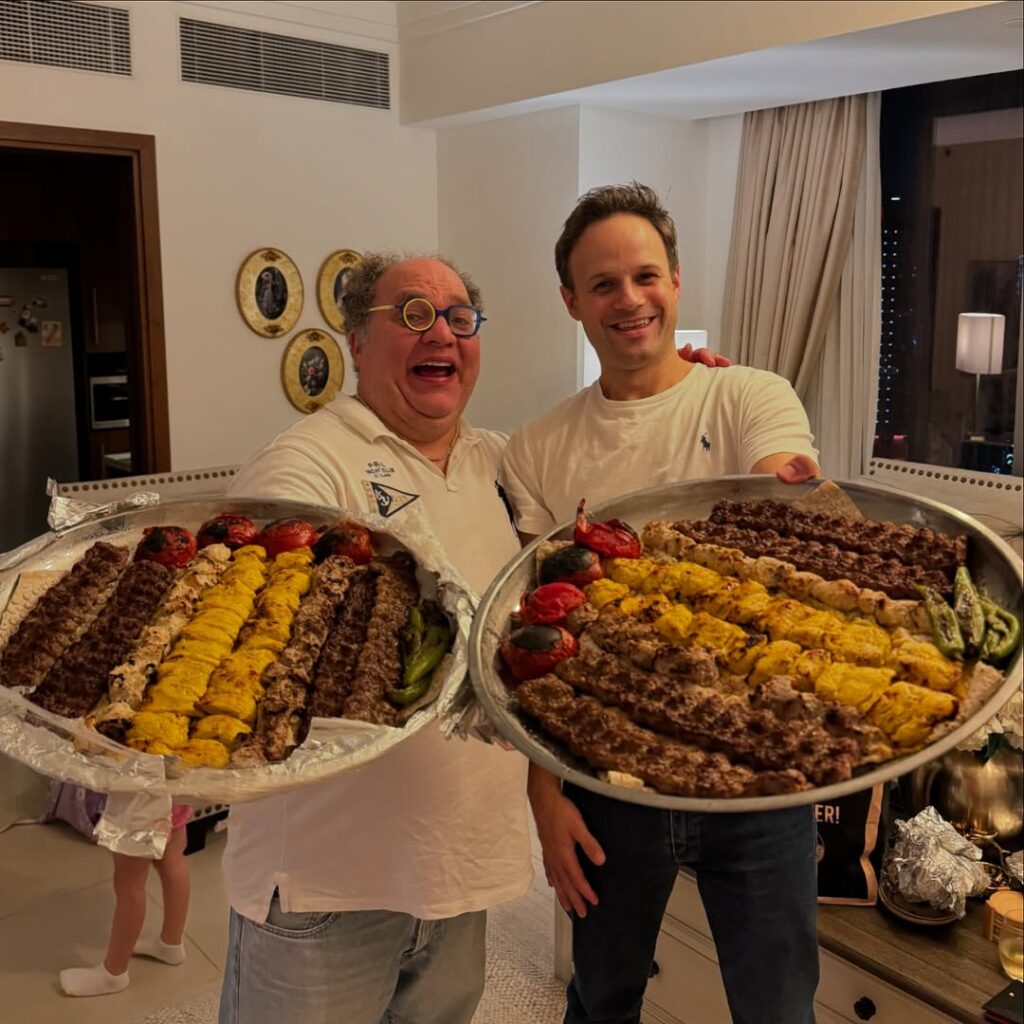
There are countless food bloggers online. So why Trevor? A few reasons stand out:
- Authenticity — He doesn’t glamorise food. He respects it.
- Storytelling — Each meal becomes a cultural journey.
- Energy — His reactions are genuine, his curiosity endless.
- Consistency — He’s been doing this for years, and the tone hasn’t drifted.
As one follower once commented: “Watching Trevor eat makes me feel hungry, happy, and like I’m traveling with him.” That kind of emotional connection is priceless. And rare.
Personal reflection
I once tried a dish after seeing Trevor feature it — Thai mango sticky rice. What struck me wasn’t the sweetness of the dessert. It was how the dish carried the story of tropical abundance and cultural celebration in one bite. Food, it turns out, is never just about taste; it’s about meaning. And that’s the perspective Trevor brings to every video, whether he’s pulling apart a goat platter in Riyadh or slurping a bowl of pho in Hanoi.
More than just food
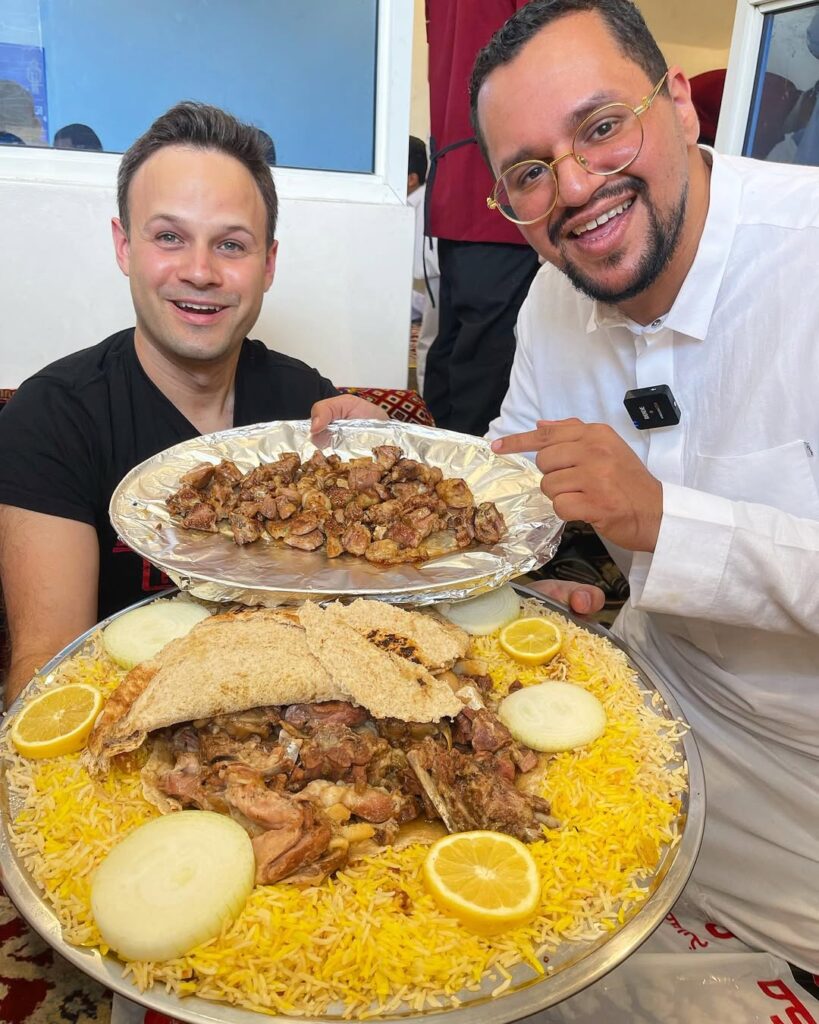
Trevor James isn’t simply an influencer eating his way across continents. He’s a storyteller of culture, history and humanity through food. His brand, The Food Ranger, proves that authenticity and enthusiasm can transform simple street meals into universal stories of connection — and that you don’t need a tasting menu to do it.
For audiences, he offers inspiration to embrace curiosity and savour diversity. For brands, he provides a trusted voice with global reach. And for aspiring travellers, he reminds us that the real heart of a place often lies not in its monuments but in its kitchens and street corners, where the lighting is bad and the food is honest.
As Trevor himself often says: “Food is the best way to connect with people.” Maybe that’s the biggest lesson of all. The world feels smaller, kinder and more delicious when we share a meal.
FAQs about Trevor James and The Food Ranger
Who is Trevor James, aka The Food Ranger?
Trevor James is a Canadian food and travel content creator who runs the YouTube and Instagram brand The Food Ranger. He focuses on street food, family-run kitchens and authentic local cuisines around the world, and has built a global following in the millions across YouTube and Instagram.
Why is The Food Ranger so popular compared to other food bloggers?
The popularity comes from a mix of authentic storytelling, genuine on-camera enthusiasm, and a focus on everyday food rather than luxury restaurants. Audiences trust him because he eats, explores and reacts honestly, and his cinematic visuals make every dish feel like an adventure.
What kind of brands work well with The Food Ranger?
Travel and tourism boards, food and beverage brands, kitchen and travel gear companies, lifestyle apparel, and tech brands like cameras and drones all suit his style. Anything that fits naturally into a real journey on a real street, rather than a staged shoot, tends to land best.
What are some of Trevor James’ most memorable food videos?
His Mumbai street food tour featuring pav bhaji and vada pav, his Chengdu market explorations of spicy hot pots and Szechuan dishes, and his spiciest curry challenge in Thailand are among his most defining episodes. Each captures a region’s flavour as much as its food.
What can creators learn from Trevor James’ approach?
Lead with curiosity, respect the people who feed you, and let context do the heavy lifting. Authenticity beats polish, and a genuine reaction to a roadside meal will outlast any styled studio shoot.