
Short answer: Gaming identity is the second self we form between customisation screens and loading animations. For many Gen Z players, games were the first safe space where failure respawned, change was the mechanic, and the version of themselves they chose finally fit.
There is a strange moment that happens when you create a character in a game. You tweak the jawline, adjust the hair, pick scars, armour, maybe choose whether you want to be feared or admired. Somewhere in that customisation screen, between “confirm build” and the first loading animation, something subtle forms:
A second self. Not fake. Not separate. Just freer.
For many of us, gaming was not a hobby. It was our first safe space. A world without the pressure to impress parents, classmates, teachers or society. A place where failure did not define us, it respawned. Where exploration was not risky, it was expected. Where identity was not fixed, it was editable. Maybe that is why the worlds built from pixels sometimes feel more emotionally honest than the ones built from concrete.
Why does gaming feel like safe chaos instead of escape?
People who do not play often misunderstand gaming as running away from real life. But what if it is not escape? What if it is rehearsal?
Out there, decisions are slow, consequences are heavy, and identity shifts are resisted by everyone who remembers who you used to be. In a game, changing your mind is not rebellion, it is the mechanic. Want to be strategic today? A healer tomorrow? Chaotic neutral next month? No one questions you, the universe adapts. Games do not judge transition, they build quests around it.
For a generation raised in uncertainty, shifting economies, shifting norms, shifting landscapes, games became the one place where change was not overwhelming. It was empowering.
How do guilds and Discord servers build community without proximity?
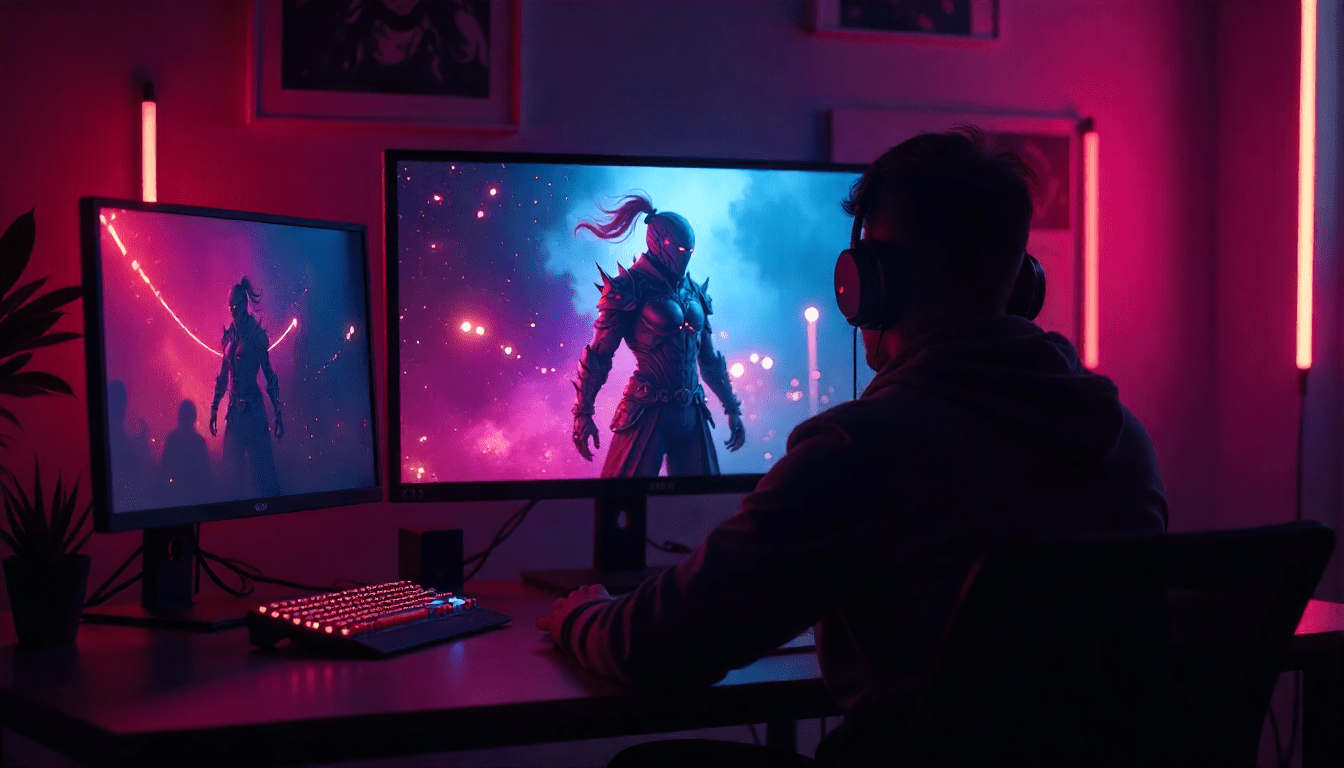
The first time someone calls you by your gamertag instead of your legal name, something unexpected happens: identity becomes chosen, not inherited. Guilds, squads, Discord servers, they became versions of belonging where voice mattered more than appearance, gender or geography.
Some of us felt seen in game chat long before we felt seen in classrooms. Some of us formed our closest friendships not by proximity, but by quests, late-night raids, shared losses and unforgettable victories. There is a silent intimacy in spending hours exploring a world together, not talking about real life, but somehow revealing it anyway.
In those moments, the microphone becomes a doorway. Not noise. Not escape. Connection.
What do games actually teach us?
If adults ever paused long enough to ask what gaming gave us, the answers might surprise them. Games taught resilience, not motivational quotes. Games taught strategy, not theory. Games taught cooperation, patience, emotional regulation and curiosity.
Some learned English through game chat. Some learned confidence when leadership roles appeared without warning. Some learned creativity by building structures in worlds where gravity was optional. And some, especially those who struggled to belong, finally found a version of themselves that made sense.

What happens when the screen turns black?
There is always that one moment: last quest complete, servers shutting down, the character creation screen forever locked behind memory. You sit there and watch the credits roll, not only for the game but for a version of yourself that lived inside it.
The question rises quietly: Was it just a game, or was it a mirror?
Maybe identity is not fixed. Maybe it is layered. Maybe who we are online is not fake, maybe it is potential. And maybe the worlds we build digitally are not escapes from reality. Maybe they are prototypes of better ones.
FAQs about gaming identity
Is gaming identity the same as real identity?
Your online self is not fake, it is a layer. A gamertag and chosen character often hold parts of you the offline world does not reward: boldness, softness, curiosity. Gaming identity and real identity are the same person with different permissions.
Why do many Gen Z gamers feel safer in games than at school?
Games reward voice, strategy and cooperation rather than appearance, background or geography. For players who struggled to belong offline, game chat and guilds became the first place they were judged by what they did rather than how they looked.
Is gaming just escape from real life?
Not always. For a generation raised in shifting economies, norms and landscapes, games are rehearsal: a place to practise leadership, change, failure and identity shifts without permanent consequences. Escape becomes preparation.
What skills can you actually learn from video games?
Resilience from respawns, strategy from campaigns, cooperation from raids, emotional regulation from losses, English from chat, and confidence from sudden leadership. Games teach through experience, not lectures.
Why do gaming friendships feel so intense?
Hours spent exploring a world together, surviving quests and losing matches together create a silent intimacy. You are not talking about real life, but your instincts, patience and care reveal it anyway. The microphone becomes a doorway to real connection.