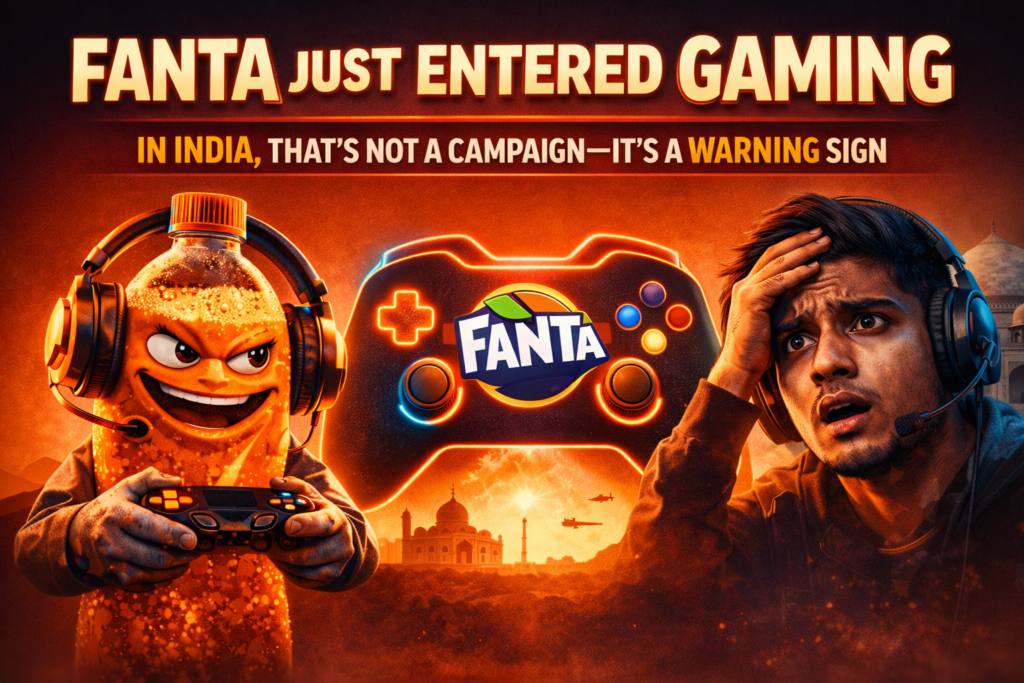
Short answer: Fanta’s global tie-up with Xbox spans 60+ markets, packs QR-code rewards, a new Crimson flavour inspired by Diablo, and cameos from Halo, Call of Duty, World of Warcraft and Forza Horizon 6. In India, where gaming is mobile-first and cashback-driven, the campaign is less a marketing moment and more a signal that brands are moving into the virtual worlds Gen Z already lives in.
At first glance, it looks like a playful brand collab. Fanta partners with Xbox. A new Crimson flavour drops. Limited-edition cans roll out. QR codes unlock rewards. Integrations plug into global franchises like Halo and Call of Duty.
On the surface, it feels like another youth-centric marketing moment. But look closer and it reads as a signal — brands are no longer fighting for attention on Instagram feeds or YouTube pre-rolls. They are moving into digital environments where Gen Z actually spends time, and doing it actively, not passively.
What does the Fanta x Xbox campaign actually include?
This isn’t a one-off stunt or a short influencer drop. It’s a full-scale global rollout.
- A campaign spanning 60+ markets across Asia, Europe, the Americas, and beyond
- Limited-edition packaging featuring characters from Halo, Call of Duty, Diablo IV, World of Warcraft, and Forza Horizon 6
- QR codes on packs unlocking interactive challenges, in-game rewards, and real-world prizes
- A gamified system called the “Fanta Rewards Chest”
- A new limited-edition variant, Fanta Crimson, inspired by the Diablo universe
On top of that, the campaign ships with 15-second and 60-second video ads and a refreshed tagline, “Wanta Fanta? Come get it.”
Creative execution is backed by heavyweights — Ogilvy under WPP, with VML and Burson supporting. Translation: this is not experimentation. This is strategic, large-scale brand evolution.
Why is the shift from advertising to participation so important?
Gen Z doesn’t watch ads anymore. They skip, scroll, or ignore. But give them a reason to interact, and the equation flips.
Put a reward behind a QR code. Turn a product into a challenge. Add an element of play. Suddenly the product is a door, not a billboard.
What Fanta is doing here is deceptively simple: turning consumption into participation. The loop is Drink → Scan → Unlock → Play. This isn’t storytelling. It’s system design, and that distinction matters.
Why gaming? Because culture has already moved there
Gaming is no longer entertainment alone. It’s a social layer, a cultural layer, and for many, an identity layer.
Characters like Master Chief from Halo or Ghost from Call of Duty aren’t fictional entities to the people who play. They carry nostalgia, memory, emotional weight. For millions of players, these worlds aren’t escapes — they’re extensions of real life.
So when a brand enters gaming, it isn’t borrowing attention. It’s borrowing meaning.
How does the Indian gaming market change the equation?
India is not an emerging gaming market anymore. It is a dominant one. With hundreds of millions of gamers (as reported by firms like KPMG and EY), the scale is undeniable. But more importantly, the behaviour is different.
Games like Battlegrounds Mobile India and Free Fire MAX aren’t played — they’re lived. I’ve seen this firsthand during campus conversations. Students discuss drop locations and squad tactics with the same intensity as exam strategies. Weekend plans? Often built around gaming sessions.
Which leads to a fundamental question: if Gen Z is spending hours inside these ecosystems, why are most brands still outside them?
What do global brands often get wrong about India?
The idea is powerful. Execution in India, though, needs contextual intelligence.
1. Mobile beats console
While Xbox brings global appeal, India is overwhelmingly mobile-first. Console gaming is aspirational; mobile gaming is habitual. Any campaign that ignores this misses scale.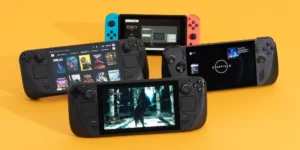
2. Rewards must feel real
In global markets, skins, collectibles, and in-game perks can drive engagement on their own. In India, they need reinforcement. Gen Z here has been conditioned by Google Pay, PhonePe, and Paytm to expect instant, tangible rewards — cashback, discounts, real value.
The winning formula? Digital plus real-world rewards combined.
3. Gamification is expected, not novel
India didn’t discover gamification. It normalised it. Scratch cards. Spin wheels. Daily streaks. These are habits here, not innovations. Brands need to go beyond gamification and build meaningful engagement loops.
What’s the missing piece — gaming culture, not just gaming
Most global campaigns stop at the game. In India, the real influence sits around it — streamers, YouTubers, esports players, community leaders. That’s where conversations happen and trends are born.
Imagine a creator-led Fanta tournament. Live-stream rewards. College-level gaming leagues. Now the campaign evolves from content to culture.
What did Fanta get right?
Despite the gaps, the campaign nails some fundamental truths.
Participation beats passive consumption
Gen Z doesn’t want to watch brands. They want to engage with them.
Digital worlds are real worlds
Gaming is no longer niche. It is mainstream culture.
Rewards drive behaviour
The loop is universal: Action → Reward → Repeat. And it works, every time.
The bigger shift: from campaigns to ecosystems
We are witnessing a structural shift in marketing — ads becoming experiences, campaigns becoming ecosystems, consumers becoming participants. Brands are no longer only communicating; they’re building environments. Gaming is where that shift shows up first.
If you’re building for Gen Z, this is directional clarity, not optional insight. Today it’s QR codes, gaming rewards, and interactive packaging. Tomorrow it’s fully immersive digital ecosystems, persistent brand worlds, and community-driven engagement loops.
The brands that move early will not just win attention. They will own relevance. The rest will still be optimising Instagram ads — while Gen Z has already logged into a different world.
FAQs: Fanta’s Xbox gaming campaign and India
What is the Fanta x Xbox collaboration?
It’s a global marketing rollout across 60+ markets. Limited-edition Fanta cans feature characters from Halo, Call of Duty, Diablo IV, World of Warcraft, and Forza Horizon 6. QR codes on packs unlock a gamified system called the Fanta Rewards Chest, with in-game rewards and real-world prizes. A new variant, Fanta Crimson, is tied to the Diablo universe.
Why is the campaign relevant to India?
India has hundreds of millions of gamers (per KPMG and EY reports), making it one of the largest gaming markets globally. Gen Z in India treats titles like Battlegrounds Mobile India and Free Fire MAX as social spaces, not just games. A brand moving into gaming is moving into a cultural centre for this generation.
Why is mobile gaming more important than console gaming in India?
Console gaming in India is aspirational and relatively niche due to hardware costs. Mobile gaming is habitual and near-universal among Gen Z. Any gaming-led campaign that ignores mobile ignores most of the audience.
What kind of rewards work best with Indian Gen Z?
Indian Gen Z expects instant, tangible value. Years of using Google Pay, PhonePe, and Paytm have trained them to look for cashback, discounts, and real-world payoffs. Digital-only rewards like skins or collectibles work better when paired with real-world perks.
What should brands learn from Fanta’s gaming move?
Three lessons stand out. Participation beats passive consumption. Digital worlds are now mainstream cultural spaces. And reward loops drive repeat behaviour. For India specifically, brands also need to build around gaming culture — streamers, YouTubers, esports players, college leagues — not only around the game itself.