
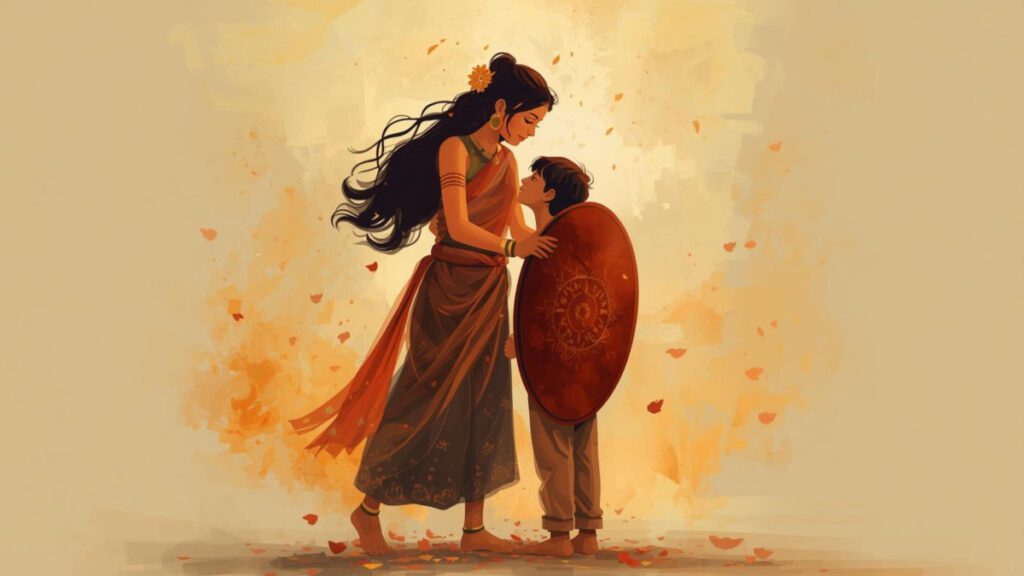
Short answer: Bhai Dooj in modern India is evolving from a one-way ritual of a brother protecting his sister into a mutual bond. Today’s sisters handle finances, emotional support, digital safety, and family care. Protection no longer belongs to one gender — it belongs to whoever shows up.
How Bhai Dooj is evolving as sisters take charge of care, courage, and protection in modern India.
Bhai Dooj once meant one thing: a sister’s prayer for her brother’s long life and her brother’s vow to protect her. The world has changed, and so have we.
Today, protection isn’t only about physical safety. It’s about emotional grounding, financial security, digital awareness, and having someone who shows up when things fall apart. In WhatsApp groups and hospital corridors, in late-night calls and rent agreements, sisters are now the protectors too.
How is Bhai Dooj tradition shifting?
Bhai Dooj, celebrated across India under names like Bhai Tika, Bhau Beej, or Bhai Phonta, has always symbolised love and loyalty between siblings. The tilak, the aarti, the sweets stand for one promise: “I’ll be there for you.”
Today’s sisters aren’t only making that promise. They’re living it every single day — paying bills, fighting bureaucracies, arranging therapy, managing emergencies, sometimes becoming the only stable adult in the room.
It’s not rebellion. It’s evolution. The ritual that once reinforced gendered roles is being rewritten by reality.
What are the ways sisters protect in 2025?
Protection has changed form, but its spirit hasn’t:
Financial strength as safety. From co-signing loans to investing jointly, sisters are building security nets for their families.
Digital guardianship. They set up passwords, report online harassment, and guide siblings through cyber safety.
Emotional rescue. They’re the first calls after bad days, the calm voices in chaos, the ones who check if you’ve eaten.
Care in action. From handling aging parents’ paperwork to hospital rounds, sisters run the machinery of protection.
In countless homes, the promise of Bhai Dooj already runs both ways. The ritual just hasn’t caught up.

How is the day becoming a partnership?
Brothers and sisters now exchange two-way tilaks, symbolic of equal care. Gifts aren’t only sweets or envelopes. They’re insurance top-ups, therapy contributions, or plane tickets for a long-overdue visit home.
On social media, siblings post not “my protector” but “my constant.” The language of love is changing — softer, wiser, shared.
Why does this redefinition matter?
When sisters take on the protector role, they don’t invert tradition. They expand it. Care isn’t gendered, and protection isn’t a one-way street.
In a culture where women have long been told to be protected, this redefinition is quiet but radical. It says:
I can pray for you and protect you too.
I can nurture and lead.
I can hold the family and hold my own boundaries.
That shift makes Bhai Dooj a festival of partnership, not hierarchy.
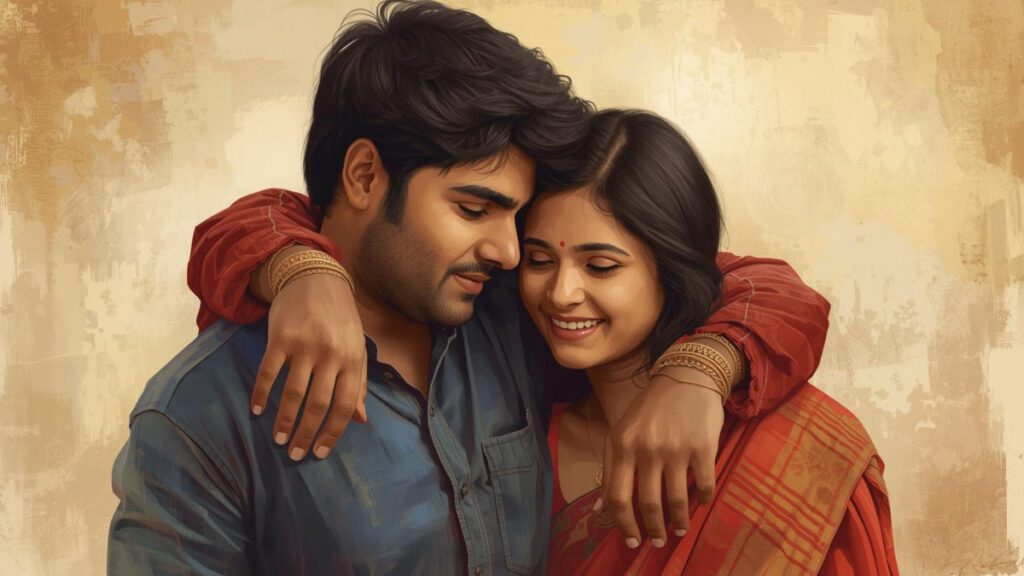
What does the new face of Bhai Dooj look like?
The sister who sends her brother grocery money because he’s between jobs. The one who flies home to handle hospital paperwork. The one who keeps every family document organised and every sibling grounded.
These acts may not land on Instagram Reels, but they are the real rituals of modern Bhai Dooj — the rituals that keep families intact.
Because love protects, no matter who gives it
When a sister applies that red tilak today, she isn’t reenacting an old story. She’s writing a new one where love is mutual and protection is about showing up.
Sometimes the person saving you isn’t a hero in a myth. Sometimes, she’s your sister — with a messy bun, a phone full of reminders, and a heart that never forgets to call.
FAQs about Bhai Dooj and sisters as protectors
What is Bhai Dooj?
Bhai Dooj is an Indian festival celebrating the bond between brothers and sisters. It’s also known as Bhai Tika, Bhau Beej, or Bhai Phonta. Traditionally, sisters pray for their brothers while brothers vow to protect them.
How is Bhai Dooj changing in modern India?
The ritual is becoming a two-way bond. Siblings exchange tilaks equally, and gifts range from insurance top-ups to therapy contributions. Sisters now take on financial, emotional, and digital protection roles.
In what ways are sisters acting as protectors today?
They co-sign loans, set up passwords, report online harassment, handle aging parents’ paperwork, and offer emotional support during crises.
Does Bhai Dooj still involve traditional rituals?
Yes. The tilak, aarti, and sweets remain central. What has shifted is who performs what role. Many families now exchange two-way tilaks.
Why does redefining Bhai Dooj matter?
It challenges the idea that care and protection are gendered duties, and expands the festival’s meaning into a true partnership between siblings.