

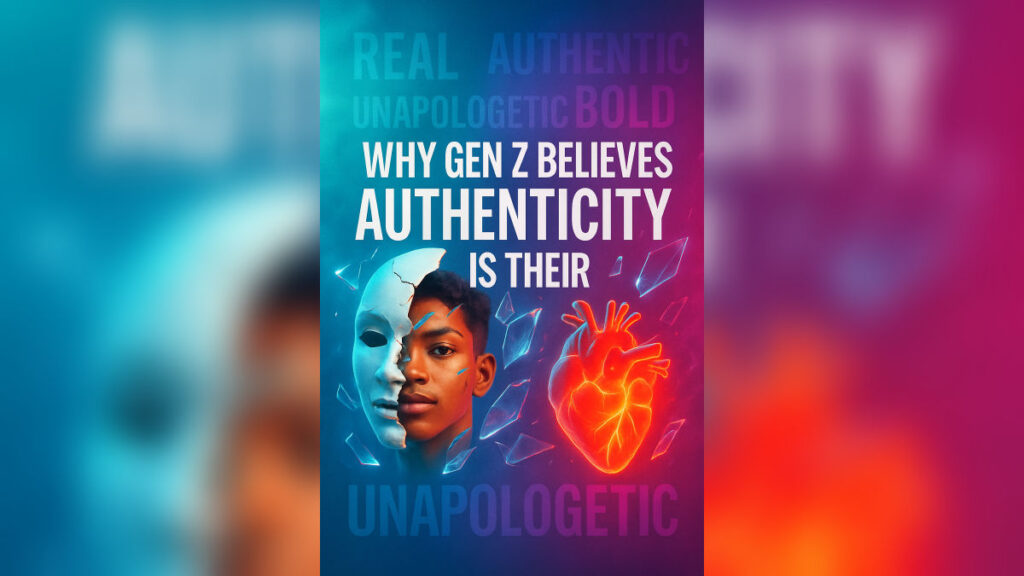
Short answer: Gen Z treats authenticity as a non-negotiable. Raised on filters, Photoshop and highlight reels, they spot performance instantly and reward realness instead. That radar shapes who they trust, what they buy, who they follow, and how they push for social change — and it’s quietly rewriting culture in the process.
In a world overflowing with filters, Photoshop and highlight reels, Gen Z is rewriting the rulebook on what it means to be real. For them, authenticity isn’t a nice-to-have. It’s a non-negotiable, a quiet superpower in an era of digital performance. Born between the mid-1990s and early 2010s, this generation grew up online, exposed to both the beauty and the toxicity of hyper-curated identities — and they noticed both.
But instead of caving to the pressure, they’re pushing back. They’re demanding transparency, choosing self-expression over polish, and showing the world that being true to yourself is the ultimate flex. It’s a strange flex, in a way. Because it’s so unflashy.
Let’s get into why authenticity matters this much to Gen Z, and how they’re using it to reshape culture, relationships and the marketplace.
What is Gen Z’s authenticity radar, and why is it so sharp?
Growing up in a filtered world
Gen Z came of age inside a complex digital terrain. From Instagram-perfect lifestyles to viral TikTok trends, they’ve watched the line between real and performative blur in real time. But rather than blindly follow the patterns, they developed something you could call an authenticity radar — a sharp instinct for spotting what’s real and what’s staged for the camera.
They’ve watched influencers get “cancelled” for being fake, brands lose credibility over tone-deaf campaigns, and an entire era where image often trumped substance. As a result, they crave realness — in conversations, in content, in friendships and leadership. And they crave it loudly.
“When I see someone being unapologetically themselves online, even if they’re awkward or messy, it makes me feel safe to do the same,” says Isha, a 20-year-old communication student in Mumbai.
Awkward and messy. Honestly, that’s the bar now. And it’s a much better bar.
How does authenticity build trust in a distrustful era?
Why being real creates connection
According to a 2022 study by McKinsey & Company, 70% of Gen Z respondents said they’re more likely to support brands that align with their values and are transparent about their practices. That’s a real stat. And it doesn’t just apply to brands — the same goes for personal relationships, education and careers.
Authenticity builds trust. It signals consistency, integrity and a basic kind of emotional intelligence. When someone is open about their struggles, honest about their mistakes, or willing to show their imperfections, it creates a safe space for others to do the same. The ripple effect matters more than the individual act.
In a world of fast scrolling and fleeting interactions, Gen Z values depth — the kind that comes from people who are real, not just polished.
How is Gen Z rejecting the mould?
Real over perfect
One of the boldest things Gen Z has done is reject the idea of a single standard of success or beauty. Instead of squeezing into pre-existing moulds, they’re building their own — sometimes a bit jagged, sometimes deliberately weird, often more honest than what came before.
Take the rise of platforms like BeReal, where users post unfiltered snapshots of their everyday lives. Or the popularity of “photo dumps” on Instagram — casual, chaotic, sometimes blurry, but real. The shift is intentional: it’s about showing life as it is, not how it “should” look in a grid.
“I used to spend hours editing photos and crafting captions,” says Rohit, 18. “Now, I just post what I feel. If it doesn’t get likes, who cares? At least it’s me.”
Gen Z understands that perfection is exhausting and, ultimately, fake. Authenticity, on the other hand, is sustainable, liberating and quietly empowering. You don’t have to maintain it; you just have to be it.
How is Gen Z redefining what success even means?
Purpose over prestige
Gone are the days when success was defined by a title, a corner office, or a fat paycheque. For Gen Z, success is about meaning and alignment — doing work that reflects who you are and what you care about, not what looks good on LinkedIn.
According to a Deloitte Global survey (2023), more than 60% of Gen Z say they wouldn’t work for a company that doesn’t align with their values. Which means companies have to show up authentically — not just in their marketing, but in their internal culture, their hiring practices, and their social impact. Anything performative gets clocked instantly.
You can see the shift in the rise of young creators, solopreneurs, climate activists and mental health advocates. Gen Z isn’t waiting around for permission to be real. They’re building careers and communities around it.
How does authenticity drive social change?
Speaking up and calling out
Gen Z isn’t afraid to challenge power, question tradition, or speak truth to authority. And they don’t do it for likes — they do it because authenticity demands accountability. There’s a difference, and they know the difference.
Whether it’s rallying for climate justice, mental health awareness, LGBTQ+ rights, or decolonising education, this generation uses its voice — often via social media — to highlight injustices and push for better. Sometimes loudly. Sometimes through a single post that lands harder than a press release ever would.
They know that real change requires real talk, not PR stunts or polished statements that say nothing.
“I don’t want a brand to tell me they care about diversity. I want to see it in their leadership,” says Aleena, 22, a student activist in Delhi.
By being honest about their experiences and calling out performative behaviour, Gen Z is setting a new standard for integrity. The bar moved. Brands either rise to it or get ignored.
How is Gen Z redefining influence itself?
From celebrities to everyday icons
In the influencer economy, Gen Z has shifted the spotlight from unattainable perfection to relatable authenticity. Micro-influencers — content creators who share raw, unfiltered glimpses of their lives — often have more loyal followings than mainstream celebrities. Smaller numbers, deeper trust.
Why? Because people crave connection, not comparison. They want to follow someone who makes them feel seen, not someone who makes them feel inadequate. Subtle difference. Huge impact.
This has led to the rise of creators who are open about their mental health struggles, share their creative failures, and invite followers behind the scenes into the messiness of life. The unedited tour, basically.
It’s refreshing. It’s honest. And it’s powerful.
The power of being real
For Gen Z, authenticity isn’t a marketing gimmick or a buzzword or a passing trend — it’s a core value. It’s the fuel that drives trust, fosters connection, inspires action and builds community.
In a world that often rewards conformity and curation, choosing to be real is a radical act. But it’s also an empowering one. And weirdly, the easier path in the long run.
Gen Z understands that the most magnetic thing you can be is yourself. Unapologetically, imperfectly, brilliantly you.
So whether it’s launching a startup, sharing a poem, calling out injustice, or simply being honest about a bad day, authenticity is how Gen Z shows up. And how they stand out.
FAQs about Gen Z and authenticity
Why does Gen Z care so much about authenticity?
Gen Z grew up watching the gap between online image and real life widen, and they paid the emotional cost of that gap. Authenticity matters because it signals safety, trust and integrity in a digital culture where performance is everywhere.
How does authenticity affect what Gen Z buys?
A 2022 McKinsey study found that 70% of Gen Z respondents said they’re more likely to support brands that align with their values and are transparent about their practices. They prefer brands whose actions match their messaging, in hiring, sourcing and social impact.
Why are micro-influencers winning with Gen Z?
Micro-influencers feel relatable rather than aspirational. They share creative failures, mental health struggles and behind-the-scenes life, which builds the kind of loyalty that polished celebrity content rarely earns.
How is authenticity tied to Gen Z’s view of success?
For Gen Z, success means alignment with personal values, not just titles or paycheques. A Deloitte Global survey (2023) found more than 60% would not work for a company that doesn’t align with their values, which is reshaping how companies hire, market and lead.
What can older generations learn from Gen Z’s authenticity push?
That polish doesn’t equal credibility, and that being honest about flaws can deepen trust faster than any image-management strategy. Gen Z’s openness around mental health, identity and failure is proving that vulnerability is a strength, not a liability.