
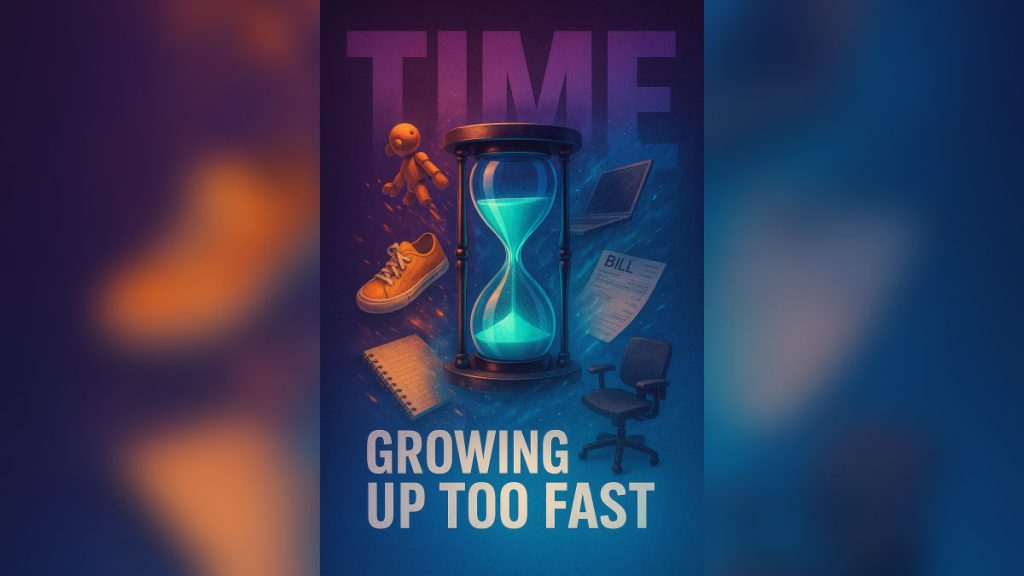
Short answer: Gen Z is growing up faster than any previous generation — pushed by academic pressure, an always-on digital life, and real-world worries like inflation and climate change. A 2023 American Psychological Association survey found 58% of Gen Z feel stressed all or most of the time. The cost is mental health, missed developmental milestones, and burnout. The fix is slower goals, digital breaks, and permission to grow at your own pace.
Childhood used to be a time for scraped knees, imagination-fueled adventures, and a blissful detachment from the harsh realities of adulthood. But for Gen Z (those born between the late 1990s and early 2010s) childhood seems to have come with an early expiration date. The line between adolescence and adulthood has blurred. For many, it isn’t a gradual transition. It’s a jarring leap.
So what does “growing up too fast” actually mean for this generation? And what’s the cost of being thrust into maturity before you’re ready? Let’s unpack the complicated, very real experience of growing up Gen Z.
Why is Gen Z growing up so fast?
The stress starts early
For Gen Z, the pressure starts before they’ve even finished school. Academic competition is fierce. Teens juggle classes, entrance exams, side hustles, internships, sometimes even social media branding on the side. According to a 2023 survey by the American Psychological Association, Gen Z reports higher levels of stress than any other age group, with 58% saying they feel “stressed all or most of the time.”
And it isn’t just psychological. It’s biological too. Chronic stress raises cortisol levels, which over time may contribute to early aging and weakened immune responses. So they’re not just feeling older. Their bodies are responding as if they actually are.
What does life in the fast lane look like online?
The “always on” generation
Gen Z is the first generation to grow up fully online. They don’t remember a world without Instagram, YouTube, or smartphones. That comes with the perks of access and connection. It also means they rarely switch off.
Notifications, comparisons, constant updates — there’s never a break. Even moments meant for joy, like a vacation or a personal achievement, often get turned into curated social media posts. The pressure to look successful, happy, and productive 24/7 leads to burnout and a deep sense of being constantly watched.
As 20-year-old Ayushi put it in a recent college focus group,
“Even when I’m doing well, I feel like it’s not enough because there’s always someone doing better. It’s exhausting.”
What does adulting before its time look like?
When responsibilities come too soon
Gen Z isn’t just facing academic stress and digital overload. They’re dealing with real-world worries too. Climate change, inflation, political instability, unemployment — none of it is just news to them. It’s personal.
Many are financially supporting their families, starting side hustles in high school, or delaying college to work. For a generation that’s watched millennials struggle with debt and broken job markets, the instinct to grow up fast is often driven by something simpler. Survival.
But this kind of premature adulting has a cost.
What does growing up too fast actually take from you?
The cost of missing childhood
When life fast-forwards through your teenage years, you miss more than fun. You miss the developmental milestones that help you grow emotionally and socially.
Research from Common Sense Media shows that excessive social media use during adolescence can contribute to low self-esteem, loneliness, and stunted emotional growth. Gen Z may be hyper-aware of world events and cultural trends, sure. But many genuinely struggle with interpersonal skills or emotional regulation in offline relationships.
In short. Smart, informed, driven. Also exhausted, anxious, emotionally drained.
Is there an upside to growing up Gen Z?
Silver linings in a stormy sky
Despite the challenges, there’s another side to the story.
Growing up in such a fast-paced, high-stakes world has sharpened Gen Z’s awareness in real ways. They’re more socially conscious, politically engaged, and emotionally intelligent than any previous generation. Exposure to global issues like climate change and mental health has made them fiercely passionate about change — not in the abstract, but in the “sign-the-petition-at-2am” way.
They’re resourceful, often learning to code, build small businesses, or manage finances in their teens. And they’ve done something older generations couldn’t quite manage — they’ve made therapy, self-care, and emotional honesty culturally acceptable.
As 19-year-old Ritesh shared during a youth panel,
“Yeah, we’re growing up fast. But we’re also waking up fast. We’re aware, and we’re ready to do something about it.”
How can Gen Z reclaim their timeline?
The world keeps spinning fast. That doesn’t mean Gen Z has to keep sprinting without pause. Here are a few ways to reclaim a slower, healthier pace.
1. Set realistic goals
It’s okay not to have a five-year plan at 18. Match your ambitions with your actual energy, skills and mental bandwidth. Redefine success in personal terms — what feels right, not what looks good online.
2. Prioritise mental health
If you’re feeling overwhelmed, that’s not weakness — it’s a signal you need care. Talk to someone. A friend. A counsellor. Yourself, even. Journaling, mindfulness, or therapy can make a real difference. (Sometimes the difference is bigger than you’d expect.)
3. Take digital breaks
Try a tech detox, even for an hour a day. Reconnect with the offline world: paint, walk, read, or just be still. Presence is power.
4. Balance hustle with joy
Ambition is great. So is play. Make time for silliness, creativity, and rest. Reclaim your inner child — they’re still in there, waiting to be heard.
Slow growth is still growth
Growing up too fast might seem like a necessity. Maybe even an achievement. But here’s the truth: life doesn’t have to be a race. You are not late. You are not behind. You are exactly where you need to be.
If you’ve been feeling like you skipped a chapter, like you didn’t get to be a “kid” in the way older generations did, you’re not alone. But you also don’t have to live by someone else’s timeline. You get to decide what growth looks like for you.
FAQs about Gen Z growing up too fast
Why does Gen Z feel like they grew up too fast?
Gen Z grew up with academic pressure, side hustles, smartphones, and global crises hitting all at once. The line between adolescence and adulthood blurred because there was no quiet teenage phase to grow into things slowly. Many took on adult-shaped worries (finances, mental health, the future of the planet) in their early teens.
What does the data say about Gen Z stress levels?
A 2023 American Psychological Association survey found Gen Z reports higher stress than any other age group, with 58% saying they feel stressed all or most of the time. Chronic stress raises cortisol, which over time can affect aging and immune response.
How does social media make Gen Z grow up faster?
Social media keeps Gen Z “always on” — constantly comparing, performing, and curating. Research from Common Sense Media links heavy adolescent social media use to lower self-esteem, loneliness, and stunted emotional growth, even when teens look busy and successful online.
What can Gen Z do to slow down?
Set goals tied to personal values rather than online optics, take regular digital breaks, prioritise mental health support (therapy, counselling, journaling), and protect time for play and rest. Slower growth is still growth.
Is growing up fast all bad for Gen Z?
No. The same pressure that exhausts them has also made Gen Z more socially aware, politically engaged, and emotionally literate. Many learn to code, run small businesses, or manage finances early, and they have normalised therapy and mental-health conversations in a way previous generations did not.