


Short answer: Churros have become a Gen Z favourite in India because they are handheld, shareable, affordable, and photogenic without being over the top. Brands like Spanish Churros, now expanding across Delhi-NCR, have turned them into a café experience designed for how young Indians actually hang out.
Scroll through any Gen Z-heavy food feed today and you’ll notice a pattern. Less plated desserts. More handheld indulgence. Less ceremony. More experience. Somewhere between iced coffees, late-night cravings, and post-class hangouts, churros have found their moment in India.
What was once a niche European dessert has quietly turned into a youth favourite, and brands like Spanish Churros are helping shape that transition. This isn’t only about sugar. It’s about how Gen Z eats, experiments, and builds food preferences in a hyper-visual, fast-moving culture.
Why does Gen Z eat with their eyes and their mood?
For Gen Z, food is rarely about hunger alone. It’s about how it looks, how it feels, and how it fits into the moment.
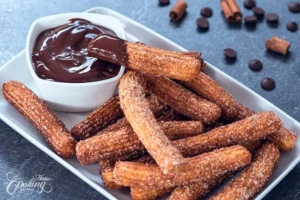
Churros tick the right boxes:
- They’re snackable, not overwhelming
- They’re shareable, not formal
- They’re indulgent, without feeling heavy
“I don’t want a full dessert every time,” says Aashi, 21, a Delhi University student. “Churros feel like a treat you can casually say yes to.”
That casual yes matters. Gen Z gravitates toward foods that don’t demand commitment. No big slices, no melting pressure, no rules. Churros are flexible. A few sticks, a dip, and you’re done.
How do churros feel familiar yet new to Indian tastebuds?
Part of why churros are working in India is because they don’t feel completely foreign.

At their core, churros are fried dough, something Indian tastebuds already understand. Jalebi, malpua, balushahi, the texture language is familiar. What’s different is the format and context.
Churros come with dips instead of syrups. They sit in cones instead of plates. They belong in cafés, not mithai boxes. That blend of familiarity and novelty is exactly what Gen Z looks for: comfort with a twist.
Are churros the rare Instagram food that actually tastes good?
Churros photograph beautifully. Golden, crisp, dipped into glossy chocolate, they’re designed for social media. Unlike many “Instagram foods,” churros don’t disappoint on taste. That’s why they stick around.
“Half the desserts I try look better than they taste,” says Kunal, 23, Gurgaon. “Churros actually deliver.”
This balance matters. Gen Z is increasingly sceptical of hype-only food. If it doesn’t taste good the second time, it doesn’t survive.
How did Spanish Churros shape the category in India?
As churros gained popularity, Spanish Churros emerged as one of the first brands in India to build an identity around them, especially in Delhi-NCR.

Instead of treating churros as a menu add-on, Spanish Churros made them the hero. Freshly made sticks, multiple dips, stuffed variations, shakes, and café-style seating. The brand understood that Gen Z doesn’t just want dessert. They want a place.
Spanish Churros cafés feel designed for how young people actually hang out today: quick visits, long conversations, phones on tables, desserts shared across friends. The brand’s expansion across key youth-heavy neighbourhoods and malls in Delhi and Gurugram reflects that understanding.
Why does Gen Z keep coming back to churros?

Beyond novelty, churros fit Gen Z’s everyday economics. They’re affordable. They’re portion-friendly. They don’t feel like a splurge reserved for special occasions.
“Churros are like my reward food,” says Riya, 20. “After exams, after a bad day, after shopping.”
That emotional positioning matters. Gen Z eats emotionally, not extravagantly, but intentionally.
How do churros match the post-pandemic mood?
Post-pandemic, food habits changed. People leaned toward comfort, familiarity, and small joys. Churros landed perfectly in that space. They’re warm. They’re indulgent. They don’t try too hard.
Spanish Churros, by focusing on consistency and experience rather than gimmicks, has tapped into this mood. The brand isn’t selling Spain. It’s selling a feeling, one that fits seamlessly into young India’s urban rhythm.
What’s the TheYouthTalks take on churros in India?
Churros aren’t replacing traditional Indian sweets. They’re joining the table. For Gen Z, food culture is about expansion, not replacement. Global desserts, local habits, shared moments.
Right now, churros, especially as shaped by brands like Spanish Churros, represent how young India wants to eat: casual, visual, comforting, and just indulgent enough.
Not every food trend lasts. The ones that understand Gen Z usually do.
FAQs on Gen Z, churros, and Spanish Churros
Why are churros popular with Gen Z in India?
Churros are snackable, shareable, affordable, and photogenic. They fit Gen Z’s preference for handheld, casual desserts over formal plated options.
How does Spanish Churros stand out among Indian dessert brands?
Spanish Churros was among the first brands in India to build an identity around churros. It treats them as the hero of the menu with fresh sticks, multiple dips, stuffed variations, shakes, and café seating designed for young hangouts.
Where can you find Spanish Churros outlets?
Spanish Churros has expanded across key youth-heavy neighbourhoods and malls in Delhi and Gurugram, aligning with where Gen Z spends time.
Do churros feel foreign to Indian tastebuds?
Not really. Churros are fried dough, similar in texture to jalebi, malpua, and balushahi. The difference is format: dips instead of syrups, cones instead of plates, cafés instead of mithai shops.
Are churros replacing Indian sweets?
No. Gen Z food culture is about expansion, not replacement. Churros are joining the table alongside traditional Indian sweets rather than pushing them out.