


Short answer: Gen Z in India is driving e-scooter adoption because electric two-wheelers cut running costs, reduce tailpipe pollution, and align with climate-aware values. Brands like Ola Electric, Ather Energy, TVS iQube, Bajaj Chetak, Hero Electric, Okinawa and Ampere now dominate their choices across metros and Tier-2 cities.
Step onto any Indian street on a weekday morning and watch closely. Between honking cars, petrol scooters and impatient buses, a new kind of rider slips through traffic. Headphones on. Backpack strapped. No exhaust smoke. Just a soft electric hum.
That rider is usually Gen Z.
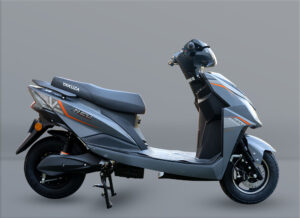
“I used to feel guilty every time my scooter stalled in traffic and all that smoke came out,” says Anand, 21, a college student in South Delhi. “With my e-scooter, at least I know I’m not adding to the mess.”
Electric scooters are no longer the future of Indian mobility. They are the present, and young Indians are adopting them faster than any other group. The shift runs deeper than convenience or cost savings. For Gen Z, buying an e-scooter feels like a small, intentional fix for what feels broken around them.
Why does India’s mobility problem hit Gen Z hardest?
India has always been a two-wheeler nation. Scooters and bikes mean independence — first jobs, college freedom, late-night food runs. That freedom now comes with polluted air, fuel dependency and jammed cities.
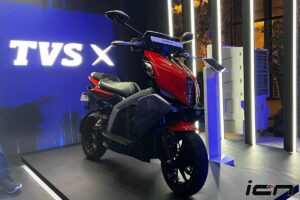
“Petrol prices don’t even shock us anymore — they just annoy us,” laughs Aman, 24, a junior architect in Gurugram. “I switched to electric because I didn’t want my salary disappearing into my fuel tank.”
Gen Z grew up hearing about climate change in classrooms and seeing smog outside their windows. Traditional mobility feels outdated. Electric scooters arrive as a timely alternative that is practical, affordable and aligned with how young Indians want to live.
Why is Gen Z choosing electric even when it is not perfect?
Gen Z is not waiting for flawless infrastructure. They pick better options even with compromises attached.
“Yeah, charging can be annoying sometimes,” admits Shubham, 22, a media student in Mumbai. “But so is waiting in line at a petrol pump. At least this feels worth it.”
The appeal sits on three legs:
- Lower running costs that matter when you are budgeting monthly expenses
- Minimal maintenance, which reduces dependency on service centres
- Smart features that make scooters feel like extensions of smartphones
More than features, it is about intention.
“Buying electric felt like doing something, even if it’s small,” says Nidhi, 23, working in Bengaluru’s startup ecosystem. “We can’t fix everything, but we can fix how we commute.”
How do e-scooters help with cleaner rides and clearer conscience?
Air pollution is not a distant headline for Gen Z. It is a daily inconvenience and a long-term fear.
“Some days my phone literally tells me not to step outside,” says Kabir, 20, a student in Noida. “If switching scooters helps even a little, why wouldn’t I?”
Electric scooters produce zero tailpipe emissions. That means no smoke at traffic lights and no fumes in narrow lanes. For young riders, that visible difference matters.
“It’s silent, it’s smooth, and it doesn’t smell,” laughs Ananya, 25, a freelance designer in Pune. “That itself feels like an upgrade.”
What does the money math actually look like?
Sustainability opens the conversation. Affordability closes it.
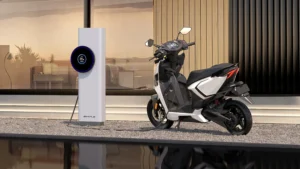
“I charge my scooter overnight and that’s it,” says Rohit, 26, a delivery partner in Jaipur. “Earlier, half my earnings went into petrol.”
For Gen Z workers juggling rent, EMIs, subscriptions and savings, electric scooters bring relief. Lower operating costs make daily mobility predictable — something petrol prices no longer promise. What starts as a financial decision often becomes a values-driven one.
Which brands are shaping Gen Z’s electric choices?
India’s e-scooter market reflects Gen Z itself — diverse, opinionated, evolving.
- Ola Electric wins riders who want bold design and app-first experiences. “It just feels modern,” says a 22-year-old Ola user in Hyderabad. “Like it belongs to our generation.”
- Ather Energy attracts tech-focused urban youth. “The dashboard, the updates, the charging network — it feels premium,” says Kunal, 24, Bengaluru.
- TVS iQube and Bajaj Chetak win on trust. “My parents were okay only because it was Bajaj,” laughs Megha, 23, Indore.
- Hero Electric, Okinawa, Ampere bring affordability to Tier-2 and Tier-3 cities, where Gen Z aspirations are rising fast.
Together, these brands are making electric mobility feel normal rather than niche.
How do e-scooters handle Indian roads day to day?
Traffic is not getting better soon. Gen Z knows this.
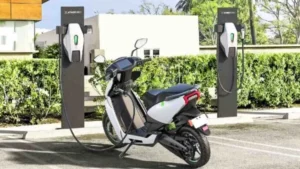
“E-scooters don’t magically fix traffic,” says Sahil, 21, Chandigarh. “But they make it less stressful.”
Compact, agile and quiet, electric scooters suit short urban commutes — the exact way most young Indians travel. It is not about speed. It is about ease.
What does Gen Z still want fixed?
Young riders are realistic. Charging infrastructure is uneven. Battery recycling needs attention. Road safety remains a concern.
“But adoption comes first,” says Ayesha, 25, Mumbai. “Systems improve when enough people demand better ones.”
TheYouthTalks take: healing can be everyday behaviour
Gen Z is not waiting for permission to care. Their shift to e-scooters is not loud activism. It is quieter. Personal. Daily.
That is why it works.
Every electric ride is a small refusal — to pollute more, to spend blindly, to accept outdated choices. Healing a country does not always look dramatic. Sometimes it looks like choosing a quieter, cleaner ride to work. And Gen Z is already on the road.
FAQs about Gen Z and e-scooters in India
Why is Gen Z buying electric scooters in India?
Gen Z in India chooses electric scooters for lower running costs, minimal maintenance, zero tailpipe emissions and smartphone-like features. Climate awareness and rising petrol prices make the switch both practical and values-driven.
Which electric scooter brands are most popular with young Indians?
Ola Electric, Ather Energy, TVS iQube and Bajaj Chetak lead among Gen Z buyers in metros, while Hero Electric, Okinawa and Ampere are popular across Tier-2 and Tier-3 cities for affordability.
Are electric scooters cheaper to run than petrol scooters in India?
Yes. Riders like Rohit, a 26-year-old delivery partner in Jaipur, report charging overnight instead of spending half their earnings on petrol. Electricity is cheaper per kilometre and service visits are fewer.
What are the main problems with e-scooters in India?
Charging infrastructure is uneven across cities, battery recycling systems need work, and road safety remains a concern. Gen Z riders accept these trade-offs while pushing for better systems.
Do electric scooters reduce air pollution?
Electric scooters produce zero tailpipe emissions, so they add no smoke at traffic lights and no fumes in narrow lanes. At scale, this directly cuts local air pollution in Indian cities.