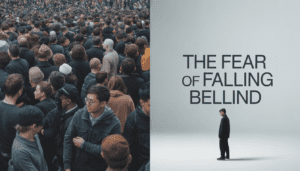

Short answer: Productivity culture is quietly burning out India’s Gen Z. Constant hustle, social media comparison and workplace pressure have driven a 20-25% spike in anxiety and depression among 18-25 year olds. The fix starts with normalising rest, redefining success and treating mental health as basic infrastructure, not a perk.
In a world that glorifies “hustling” and worships the cult of being constantly busy, India’s Gen Z is quietly burning out. Productivity gets sold as a virtue. The current shape of it, especially the toxic version, is doing more harm than good. For a generation raised on Instagram reels of 5 a.m. routines and LinkedIn posts celebrating sleepless nights, the pressure to do more has taken a real toll on mental health.
How did toxic productivity and hustle culture take over?
At first glance, striving to be productive seems harmless, even admirable. But there’s a darker side, toxic productivity. It’s the obsessive need to be productive at all times, to equate self-worth with output and to treat rest as laziness.
In Indian cities like Bengaluru, Mumbai and Delhi, where ambition is almost a default setting, many young people, especially students and early-career professionals, are locked in a race with no finish line. An engineering student from Pune shared, “If I’m not working on a side project, attending an online course, or applying for internships, I feel guilty, like I’m wasting time.” That guilt, unfortunately, is the hallmark of hustle culture.
Social media: the productivity highlight reel
Platforms like Instagram, LinkedIn and YouTube have become breeding grounds for unrealistic productivity standards. From influencers posting ‘5 AM miracle routines’ to professionals flaunting 14-hour workdays, the message is clear, if you’re not hustling, you’re failing. This kind of content promotes a distorted view of success. For Indian Gen Z, many of whom grew up watching motivational TED Talks alongside Bollywood blockbusters, the pressure to match these curated lives becomes overwhelming. The result is a strange, low-grade panic, you’re already doing more than enough, and somehow it never feels like enough.
What does the mental and physical health crisis actually look like?
Behind the smiling selfies and productivity planners lies a silent mental health epidemic.
Stress, anxiety and burnout
The pressure to always be “on” has driven a rise in chronic stress and generalised anxiety among Gen Z. According to a 2023 report by the Indian Psychiatry Society, anxiety and depression have seen a 20-25% spike among youth aged 18-25 in urban India. Most of this is attributed to academic stress, job insecurity and the expectation to “make it big” early.
Burnout isn’t reserved for corporate executives any more. College students, freelancers, content creators, even school-goers feel it. Sleepless nights. Emotional exhaustion. A creeping sense of meaninglessness. These are now common among many young Indians.
Guilt for resting
Even leisure now wears a productivity lens. Taking a break to watch a film, hang out with friends or sleep in late often comes wrapped in guilt. “I can’t relax without feeling like I should be doing something useful,” said a 22-year-old designer from Hyderabad. That kind of constant self-surveillance is mentally draining.
Physical health takes a hit
Neglecting personal health to chase academic or professional milestones has produced more cases of chronic fatigue, migraines and sleep disorders. Long screen time, lack of exercise and irregular eating patterns only make matters worse.
Why is the work-life boundary collapsing?
With remote work and online classes becoming the norm post-COVID, boundaries between personal and professional life have blurred. Many Gen Z employees report working outside office hours, replying to emails at midnight, being expected to stay “reachable” all the time. What was once a home is now an office, a gym, a classroom and a content studio rolled into one. Without clear boundaries, switching off becomes nearly impossible.
Career above all
Hustle culture pushes career goals above everything, friendships, hobbies, even health. In a culture that celebrates sacrifice for success, rest gets framed as a luxury, not a necessity. The imbalance leads to loneliness, alienation and a flattening of joy in everyday life.
When workplaces add to the problem
Indian workplaces, especially startups and tech firms, often reinforce hustle culture. Phrases like “We are a family,” “Go the extra mile,” and “We need self-starters” are subtle ways to push employees beyond reasonable limits. Many Gen Z workers find themselves in environments where mental health issues get downplayed or outright dismissed. Toxic managers (and there are many), unrealistic deadlines and poor communication push stress higher.
“I once told my manager I was overwhelmed, and he told me to ‘toughen up.’ After that, I stopped talking about how I felt,” shared a 24-year-old analyst from Gurgaon. When empathy is replaced by efficiency, emotional well-being suffers.
The pressure cooker of Indian society
Beyond workplaces, broader societal factors amplify the pressure. In India, success is often narrowly defined by academic and financial achievements. Gen Z is under constant pressure to land high-paying jobs, support families, pay off student loans and build a financially secure life, often before they’re even 25.
Add in the constant instability of today’s world, climate change, pandemics, political upheavals, and it’s easy to see why Gen Z feels there’s no room to breathe. This generation has had a front-row seat to crisis after crisis, and for many, work feels like the only thing they can control, which only deepens the toxic relationship with productivity and turns ambition into a kind of armour that nobody really enjoys wearing.
Social media: the comparison trap
Social media doesn’t just glorify productivity, it amplifies comparison culture. Watching peers get promoted, travel the world or launch start-ups can trigger sharp self-doubt. The need to be “doing something meaningful” all the time turns into a compulsion. Emotional exhaustion follows. In a country like India, where digital access is growing fast, this creates a unique challenge. The digital world moves quickly, and keeping up feels like a never-ending sprint.
What can break the cycle?
Normalise rest
First, we have to collectively reframe how we see rest. Rest isn’t laziness, it’s recovery. Whether it’s a nap, a day offline or saying no to another commitment, these small actions count as self-care.
Redefine success
Success isn’t only about productivity, promotions or paychecks. It’s also about peace of mind, meaningful relationships and personal growth. Encouraging this broader definition (through schools, workplaces and families) can take a real chunk of pressure off young people.
Mental health support
India needs more accessible and affordable mental health services, especially for students and young professionals. Workplaces must invest in employee well-being, not through one-off sessions but through systemic changes like flexible hours, mental health days and empathetic leadership.
Digital detox
Limiting social media use and following creators who promote authenticity over hustle can reshape digital habits. Regular digital breaks lower the constant pressure to keep up.
A final word
Gen Z in India is smart, ambitious and deeply resilient. But they shouldn’t have to trade their well-being for productivity. The cost is too high. In a society that constantly asks “What next?”, perhaps it’s time we pause and ask “At what cost?”
Let’s stop romanticising burnout. Let’s stop measuring human worth by productivity charts. And most importantly, let’s create a culture where doing “nothing” sometimes is not just allowed, but encouraged.
FAQs about productivity culture and Gen Z mental health
How is productivity culture affecting Gen Z mental health in India?
The constant pressure to perform has fuelled a 20-25% spike in anxiety and depression among Indians aged 18-25, per a 2023 Indian Psychiatry Society report. Burnout, sleep loss and guilt around rest are now common among students, freelancers and early-career professionals across cities like Bengaluru, Mumbai and Delhi.
What is toxic productivity?
Toxic productivity is the obsessive need to be productive every waking hour, treating self-worth as something you earn through output. It frames rest as laziness and turns even hobbies into side hustles. Over time it leads to burnout and a flat, joyless relationship with work.
Why is hustle culture worse for Indian Gen Z than older generations?
Older generations didn’t grow up with social media broadcasting everyone else’s wins in real time. Indian Gen Z faces academic pressure, family expectations, financial responsibilities and a 24/7 highlight reel on Instagram and LinkedIn, all at once. The bar moves up daily, and the comparison never stops.
How can Gen Z set boundaries with hustle culture at work?
Start with one rule, no work emails after a fixed hour. Block focus time for actual rest, not chores. Push back on “we are a family” framing when it’s used to extend working hours. If your workplace dismisses mental health concerns the way the Gurgaon analyst’s manager did, it’s a signal worth taking seriously.
Where can Indian youth get affordable mental health support?
Platforms like YourDOST, Wysa, MindPeers and iCall (TISS) offer affordable, often anonymous, counselling. Many universities now have on-campus counsellors. For free 24/7 help, iCall’s confidential helpline is +91-9152987821.