Short answer: Self-care culture is making Gen Z more anxious because it’s been turned into a performance, a checklist and a $5.6 trillion industry. The fix isn’t another product — it’s lowering the bar, ditching the aesthetic pressure, and treating self-care as a private, unglamorous habit rather than a public ritual.
Wellness routines, glow-up aesthetics, the whole produced ecosystem — self-care has become both a buzzword and a battleground. For Gen Z, a generation that proudly champions mental health and emotional well-being, self-care should feel empowering. But here’s the twist: instead of soothing their anxiety, the culture around it often makes things worse.
How did a concept meant to nurture turn into a source of stress? Let’s wade into the complicated, sometimes contradictory world of self-care in the age of Instagram.
Why does self-care culture make Gen Z more anxious?
Self-care used to be simple. A nap. A call to a friend. Now it’s often a production.
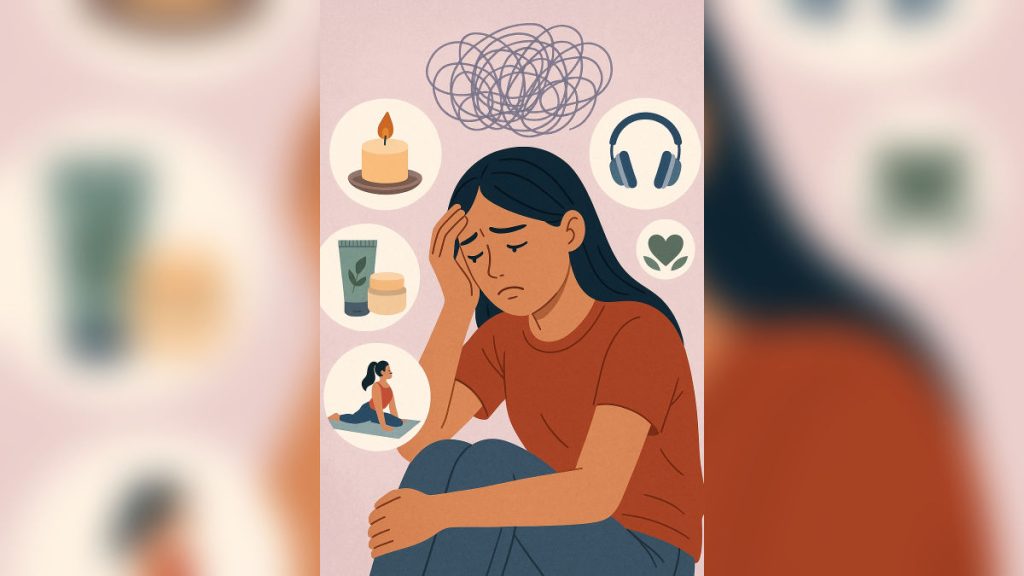
Scroll any social platform and you’ll find perfectly colour-coordinated flatlays of bath bombs, matcha lattes, morning journaling sessions and 5 a.m. gym selfies — all dressed up in pastel tones and lo-fi beats. What was meant to be a personal sanctuary has become a performative sport.
For 21-year-old Sneha, a college student in Mumbai, self-care used to mean curling up with a book after a long day. “Now, I feel like I’m doing it wrong unless I have an aesthetic planner, candles, and a face mask. It’s exhausting trying to ‘relax’ the right way,” she says.
This curated ideal of self-care on platforms like Instagram and TikTok breeds a silent comparison culture. If your version of self-care doesn’t look Pinterest-worthy, it feels invalid. That comparison can quietly morph into inadequacy, and over time, anxiety.
The Tyranny of “Should”: Too Many Options, Too Little Clarity
Gen Z has access to an overwhelming amount of information. Every swipe brings a new self-care tip: drink chlorophyll water, meditate twice a day, walk 10,000 steps, maintain a gratitude journal, sleep with a silk eye mask. It’s endless. Advice is abundant. Discernment is rare. This over-saturation creates what psychologists call “decision fatigue” — the stress of having too many choices. What started as a search for peace becomes a frantic checklist of shoulds. And when Gen Z fails to meet these expectations? Many turn the blame inward.
“I read somewhere that 15 minutes of morning meditation would change my life,” says Arjun, 19, from Bangalore. “I tried it, didn’t feel any different, and ended up feeling worse — like I was broken because even meditation didn’t work for me.”
Is the wellness industry making mental health worse?
Self-care has become big business. The global wellness market is worth over $5.6 trillion (Global Wellness Institute, 2023), and Gen Z is one of its most targeted demographics. From subscription wellness boxes to “must-have” skincare products, the message is consistent: if you want to feel better, you’ve got to buy better. This commodification sends a dangerous signal — that healing can be bought. It shifts self-care from something internal and intentional to something external and expensive. In doing so, it quietly invalidates the everyday, no-cost ways of caring for yourself: sleeping in, journaling in a beat-up notebook, having a heartfelt conversation. Worse, it deepens economic disparity. For those who can’t afford the trending wellness tools, a sense of inadequacy creeps in, adding to the emotional load.
The Blame Game: Internalising the Stress
Another unintended side effect of self-care culture? It individualises the problem. Feeling overwhelmed at work? Burnt out from studies? Sad without a clear reason? The prevailing message is: You’re not doing enough self-care. This mindset shifts blame inward — suggesting mental distress is the result of laziness or lack of discipline, not the outcome of systemic pressures. But what about rising education costs, climate anxiety, unemployment, digital fatigue, gender-based discrimination? These are societal and structural problems, not personal failures. Gen Z is already known for being introspective and self-critical. When their mental health doesn’t improve despite trying every recommended hack, it creates a loop of guilt and self-blame. “It feels like I’m failing at being mentally healthy,” shares Isha, a 22-year-old design student in Pune. “Everyone else seems to be handling it better.”
Surface Fixes, Deeper Needs Ignored
Many of the self-care solutions on offer today are surface-level. A face mask soothes tired skin, not a heavy heart. Yoga eases physical tension, but it won’t process unresolved trauma. Real healing usually goes deeper — therapy, authentic relationships, rest without guilt, spiritual inquiry, sometimes even political change. The current self-care narrative skips most of that. It favours quick fixes over sustained emotional work, glossing over the messy, non-linear nature of how people actually heal.
A Culture That Punishes Vulnerability
Even as mental health awareness grows, there’s a parallel pressure to appear emotionally “put together.” This duality is toxic. Encourages openness, punishes weakness. If someone admits they’re still struggling despite doing the self-care, they’re often met with responses like, “Have you tried yoga?” or “Just take a break, you’ll feel better.” Well-meaning, sure. But dismissive enough that voicing deeper emotional pain becomes harder. The fear of being judged or misunderstood reinforces silence. And silence, as anyone who’s lived with anxiety will tell you, is fertile ground for it.
So how can Gen Z practise self-care without burning out?
The good news? Gen Z is already questioning the hype. Many are pushing back against the superficial versions of wellness and looking for something more grounded, more honest. Here’s how the culture can shift.
1. Make It Yours
Real self-care doesn’t need to be photogenic. If watching cartoons, journaling in a messy notebook or dancing alone to loud music helps — do that. It doesn’t need approval to be valid.
2. Set Realistic Expectations
Self-care is not a miracle cure. It can manage symptoms, but it may not resolve everything. And that’s okay. Sometimes showing up for yourself is enough.
3. Seek Depth, Not Aesthetics
Focus on what feels nurturing, not just what looks trendy. That might mean seeking therapy, joining support groups, or simply unplugging without guilt.
4. Build Community
Healing doesn’t have to happen in isolation. Find people who hold space for your messy, vulnerable, unfiltered self. Shared pain becomes lighter.
5. Call for Change
Demand better mental health resources, accessible therapy, safer workspaces, and more inclusive policies. Self-care shouldn’t be a substitute for justice.
In Conclusion: Choose Slow, Choose Real
Self-care, in its purest form, is beautiful. But the culture around it? That needs a reset. Instead of making wellness another race to run or another image to uphold, Gen Z can redefine it — as something soft, sustainable and soulful. Something that doesn’t ask for perfection, but offers compassion. Because in the end, the best kind of self-care isn’t about candles, smoothies or skincare routines. It’s about giving yourself permission to just be — flawed, human, and healing.
Let’s make that the new trend.
FAQs about self-care culture and Gen Z anxiety
Why is self-care making Gen Z more anxious?
Self-care has been turned into a performance and a checklist. Aesthetic pressure on Instagram and TikTok, plus the “decision fatigue” of competing wellness advice, create comparison and inadequacy that feed anxiety instead of relieving it.
How big is the global wellness industry?
The global wellness market is worth over $5.6 trillion, according to the Global Wellness Institute (2023). Gen Z is one of its most targeted demographics, which is why so much self-care content doubles as a sales pitch.
Is buying wellness products real self-care?
Not on its own. Bath bombs and skincare can soothe surface symptoms, but they don’t replace deeper work like therapy, rest without guilt, and honest relationships. The commodification of healing is part of the problem.
What is decision fatigue in the context of self-care?
Decision fatigue is the stress that comes from too many choices. With every swipe pushing a new wellness tip — chlorophyll water, silk eye masks, gratitude journals — the search for peace turns into a frantic checklist of shoulds.
How can Gen Z practise self-care without burning out?
Make it private, not photogenic. Lower expectations, choose depth over aesthetics, build real community, and push for systemic change. If wellness feels like another race to run, it’s no longer self-care.