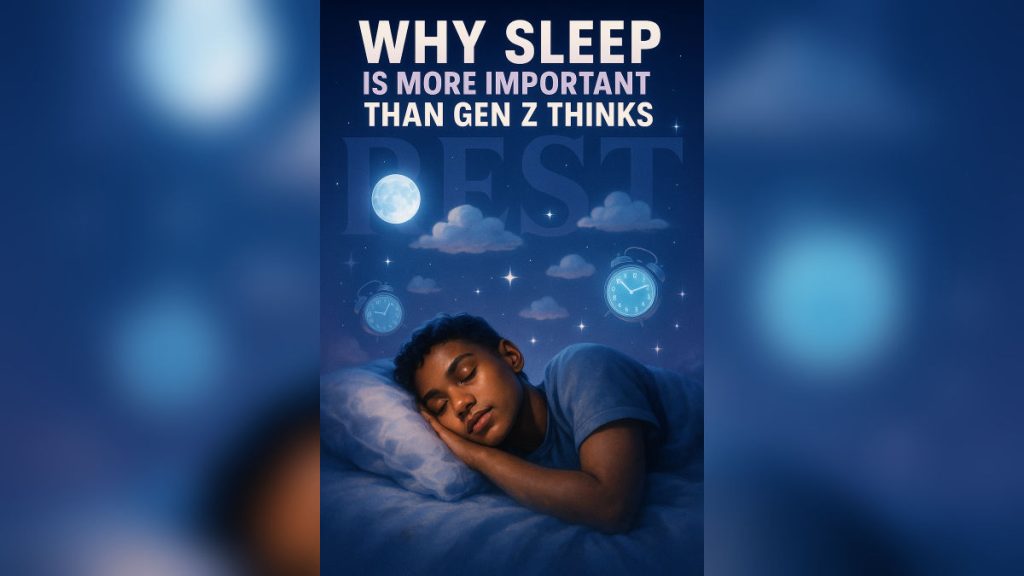
Short answer: Sleep is non-negotiable for Gen Z because brains and bodies in this age range are still developing. Research from the Columbia University Department of Psychiatry links poor sleep to anxiety, depression and long-term psychological distress, while chronic deprivation also raises the risk of heart disease, obesity and Type 2 diabetes. Aim for 7 to 9 hours, even during exams.
The world buzzes constantly. Notifications, deadlines, digital noise from every direction. Sleep takes the back seat, especially for Gen Z. From late-night TikTok binges to academic responsibilities that never seem to close, today’s youth push their limits in ways previous generations couldn’t have imagined. But in the chase for productivity, validation and fun, there’s one critical thing they’re sacrificing more than they should: sleep.
This piece digs into why sleep isn’t a “nice-to-have,” but a non-negotiable pillar of Gen Z’s physical, mental and emotional well-being. And why it deserves far more respect than it’s currently getting.
What is the hidden power of sleep?
Sleep isn’t simply about shutting your eyes for a few hours. It’s when your body and brain go into overdrive to heal, restore and prepare for the next day. For Gen Z, an age group still developing cognitively and physically, this restoration process isn’t just helpful. It’s vital.
How does sleep affect the brain (beyond feeling tired)?
Memory and learning
Ever studied all night for a test, only to forget half of what you crammed? That’s not just stress, it’s sleep deprivation sabotaging your brain’s ability to store information. During deep sleep, your brain consolidates memories, essentially “filing” what you’ve learned so it’s accessible later. Without enough rest, the filing system breaks down. Goodbye, recall.
Focus and concentration
Lack of sleep can drastically reduce attention span and make concentration feel like wading through mud. Imagine reading a book while someone flashes a strobe light in your eyes. That’s roughly what your brain endures when it’s tired but forced to perform. The result? Lower test scores, careless mistakes, missed opportunities.
Creativity and problem-solving
Some of the world’s most creative minds, from Albert Einstein to Ariana Grande, have spoken about the importance of sleep. Why? Because sleep sharpens your ability to think critically, dream vividly and solve complex problems in inventive ways. A well-rested brain is a sharp, creative one.
What is the emotional toll of poor sleep?
Emotional rollercoaster
Have you noticed how everything feels worse after a sleepless night? One tiny inconvenience suddenly feels like the end of the world. That’s because sleep helps regulate your emotions. Without it, your brain struggles to manage stress and read emotional cues, which raises your odds of anxiety, depression and irritability.
“Sleep and mental health are closely connected. Poor or inadequate sleep can cause irritability and stress, while healthy sleep can enhance well-being,” – Columbia University Department of Psychiatry
Risk of long-term mental health issues
Chronic sleep deprivation isn’t a temporary mood killer. It’s a gateway to more serious mental health conditions. Research from Columbia shows a strong correlation between insufficient sleep and long-term psychological distress, anxiety disorders and depression. Sleep isn’t a passive act of rest. It’s active protection for your mind.
How does sleep impact your physical health?
Growth and development
Gen Z includes teens and young adults, people still undergoing major physical changes. During deep sleep, the body releases growth hormones critical for bone development, muscle repair and overall maturity. Skimping on sleep is like skipping a workout for your body’s growth engine.
Immune strength
Getting sick often? Your late-night Netflix habit might be the culprit. Sleep boosts your immune system by producing infection-fighting proteins called cytokines. Without sufficient rest, you become more vulnerable to viruses and bacteria.
Preventing chronic diseases
According to numerous health studies, regular, quality sleep reduces the risk of chronic conditions like heart disease, obesity and Type 2 diabetes. Think of sleep as your body’s maintenance routine. Skip it, and systems start to break down quietly, gradually, almost invisibly until they don’t.
What’s keeping Gen Z awake?
The screen-time trap
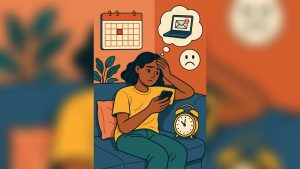
From doomscrolling on Instagram to chasing high scores on games, screens emit blue light that delays melatonin release, the hormone responsible for sleepiness. The result? You might feel tired, but your brain stays alert, making it harder to actually fall asleep.
Fear of Missing Out (FOMO)
Social media has built a culture of constant connection. Notifications, messages and updates tempt you to stay online longer, afraid that unplugging means falling behind. But the only thing you’re really falling behind on is your health.
Academic and social pressures
Balancing a packed school schedule, college prep, side hustles and social commitments means sleep often gets sacrificed. Ironically, the very goals you’re staying awake to chase, good grades, healthy friendships, mental clarity, all suffer when you don’t rest.
My wake-up call: a personal anecdote
In my first year of college, I was that person who swore, “I’ll sleep when I’m dead.” I juggled classes, internships and an overactive social life. By the end of my second semester, I was burned out, anxious and constantly sick. A doctor told me bluntly: “You don’t need medication. You need sleep.” That advice changed everything. I started prioritising sleep like I did my GPA. The result? Higher grades, fewer breakdowns, way more energy. That’s when I realised: sleep isn’t weakness, it’s a superpower.
How can you build better sleep habits?
- Set a sleep schedule: Go to bed and wake up at the same time daily, even on weekends.
- Limit screen time: Try cutting off all devices an hour before bed. Read or journal instead.
- Create a wind-down routine: Warm showers, light stretching or calm music can signal your brain it’s time to rest.
- Rethink productivity: Sleep isn’t lost time, it’s an investment in better performance the next day.
Sleep is not optional, it’s foundational
Gen Z is growing up in a hyperconnected, high-pressure world that doesn’t always value rest. But sleep is not a luxury, and it’s certainly not laziness. It’s a biological necessity that fuels every part of your life, from brainpower to emotional stability, physical health to long-term potential.
So here’s the challenge. Tonight, log off a little earlier. Silence your phone. Close your eyes with intention. Sleep like your future depends on it. Because it does.
“You can sleep now, and dream. Or stay awake, and live in a nightmare.” – Choose wisely.
Let’s start giving sleep the respect it deserves. Your mind, body and future self will thank you.
FAQs about Gen Z and sleep
How many hours of sleep do Gen Z teens and young adults need?
Aim for 7 to 9 hours per night. The exact number varies slightly between teens and young adults, but skipping below 7 regularly is when memory, mood and immunity start taking real hits. Yes, this applies during exams too.
Why does scrolling on my phone make it harder to sleep?
Phone screens emit blue light that delays melatonin release, the hormone responsible for making you feel sleepy. So even when your body is exhausted, your brain stays alert, which is why bedtime scrolling so often turns into 2 a.m. wide-awake regret.
What does poor sleep do to your mental health long-term?
Research from the Columbia University Department of Psychiatry links chronic sleep deprivation to long-term psychological distress, anxiety disorders and depression. It’s not just about feeling cranky the next day, it’s about increasing your baseline vulnerability to serious mental health conditions over years.
Can sleep really affect my immune system?
Yes. Sleep boosts your immune system by producing infection-fighting proteins called cytokines. Skimp on it consistently, and you become measurably more susceptible to viruses and bacteria, which is why frequent late-nighters tend to catch every cold going around.
How do I actually build a better sleep routine as a student?
Set a consistent sleep and wake time (even on weekends), cut screens an hour before bed, build a wind-down ritual like a warm shower or calm music, and reframe sleep as productivity, not the opposite of it. Small, repeatable steps beat one-off detoxes every time.