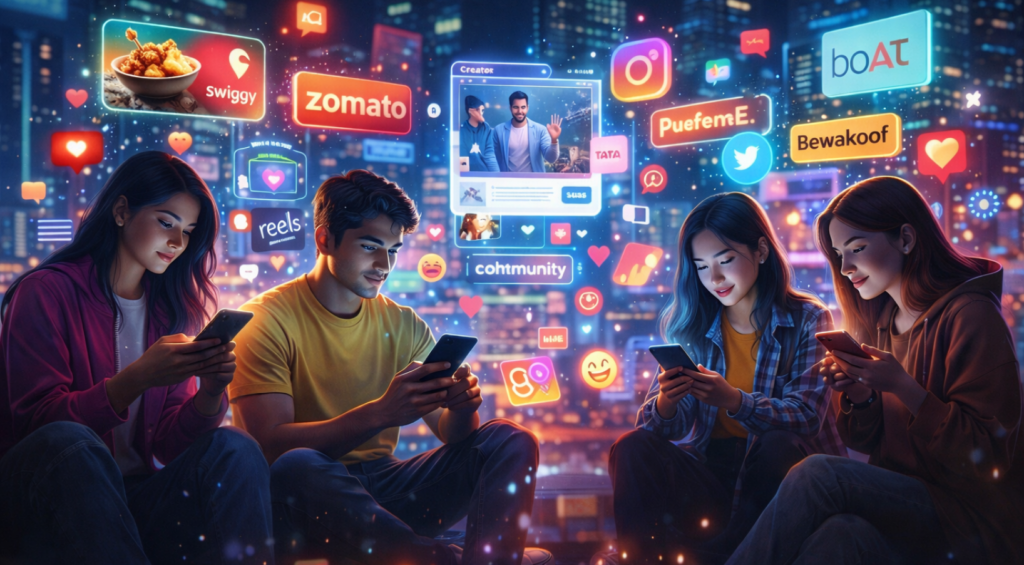
Short answer: Brands that win Gen Z in India feel authentic, culturally aware, purposeful and community-led. McKinsey (2022) found nearly 70% of Gen Z prefer transparent, genuine brands, and Deloitte’s Global Gen Z Survey shows over 60% favour brands aligned with their values. That’s why Zomato, Swiggy, Nykaa, Mamaearth, boAt, Bewakoof and Amul connect, while polished, scripted advertising gets ignored.
What does “cool” mean to Gen Z now?
What makes a brand “cool” today is not what it used to be.
A decade ago, cool meant aspirational: celebrity endorsements, polished ads, perfection. Today, especially among Gen Z, cool is nuanced. Raw. Relatable. And above all, real.
After interacting with students and young creators across India, I’ve noticed a pattern. They don’t only buy brands, they evaluate them. Quietly. Constantly. Often subconsciously.
So the real question isn’t “What makes a brand cool?” It’s “Why do some brands feel instantly relatable while others feel irrelevant?”
Why does authenticity matter so much for Gen Z?
Gen Z grew up in a hyper-digital world: ads everywhere, influencers everywhere, content at scale. That exposure has sharpened their ability to spot anything inauthentic.
A McKinsey (2022) report found that nearly 70% of Gen Z consumers prefer brands that are transparent and genuine. That is not a preference, it is a filter.
In India, Zomato has got this right. Its social media presence feels less like corporate communication and more like a witty friend. They joke, experiment and sometimes miss the mark, which is exactly why they feel human.
I remember coming across a Zomato notification that was absurdly funny. Instead of ignoring it, I shared it. That is authenticity at work: it invites participation, not attention.
How do brands read culture without chasing trends?
Gen Z doesn’t live in a static world. They live in memes, reels, trending audio and fast-shifting conversations.
Most brands fail because they chase trends rather than understand them.
Take Swiggy. Its campaigns tap into everyday Indian moments, rain cravings, exam stress, late-night hunger, without overusing slang or forcing relatability.
It feels natural. That is the difference. Gen Z does not reward effort. They reward effortlessness.
Why does purpose matter more than selling?
Today’s consumers want brands to stand for something meaningful.
According to Deloitte’s Global Gen Z Survey, over 60% of Gen Z prefer brands aligned with their personal values, from sustainability and inclusivity to mental health.
In India, the Tata Group has long built trust through consistent social impact. Newer brands like boAt tap into youth identity, positioning themselves as more than a product. They stand for hustle, ambition and energy.
But there is a catch. Gen Z doesn’t care about what you say, they care about what you do repeatedly. One campaign won’t build credibility. Consistency will.
How do brands turn audiences into communities?
Gen Z doesn’t want to be marketed to. They want to be included.
The brands winning today don’t build audiences, they cultivate communities.
Consider Nykaa. Beyond selling products, it has built a content ecosystem of tutorials, reviews and influencer collaborations where users engage, learn and contribute.
Mamaearth has leveraged user-generated content and customer stories to build trust and participation.
When users start creating content for your brand, something shifts. You stop being a company. You become a movement.
Why is creator-first thinking winning?
Traditional advertising is losing ground. Creator-led storytelling is taking over.
A study by Morning Consult found that Gen Z trusts influencers almost as much as their friends. That is a profound shift in how trust gets built.
Brands like boAt have collaborated widely with creators, not by scripting them but by giving them freedom.
Gen Z doesn’t only consume content. They read tone, intent and authenticity in seconds.
Why are aesthetics now about identity?
Visuals still matter, but not in the traditional sense.
For Gen Z, design is identity.
Bewakoof has built a strong following by aligning its aesthetic with youth culture: quirky, expressive and unapologetically bold.
When someone wears a Bewakoof t-shirt, they aren’t wearing fabric. They’re wearing personality. That is the shift, from product to self-expression.
How important is speed and timing for brands?
Gen Z operates in real time. Trends don’t last weeks. They last hours.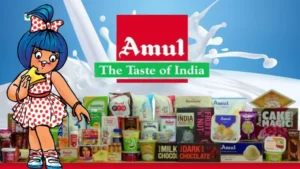
Cool brands respond quickly, but more importantly, appropriately.
During cultural moments and trending conversations, Amul has stayed relevant through topical creatives. Its iconic ads are a masterclass in timing and cultural commentary.
But speed without sensitivity can backfire. Being fast is easy. Being right is hard.
Why is experience the real differentiator?
In the Gen Z world, the product is the entry point. The real differentiator is experience: packaging, delivery, customer support, digital interaction, everything.
A smooth experience builds loyalty. A bad one spreads like wildfire.
I once ordered from a D2C brand that delivered a beautifully packaged product with a handwritten note. It felt personal. Memorable. And yes, I spoke about it to others. That is how modern branding works. Experience becomes marketing.
Can brands actually engineer coolness?
This is where most brands get it wrong. They try to engineer coolness.
But cool isn’t created in boardrooms. It is earned in conversations, communities and consistency over time. Gen Z doesn’t follow brands blindly. They observe, question and decide.
So instead of asking “How do we look cool?”, brands need to ask: “Would people genuinely miss us if we disappeared?”
That is the real test.
Final reflection: beyond branding
We assume we control technology and brands. Look closer. They shape our routines. Our preferences. Even our identities.
The rise of Gen Z has changed the rules of branding. It is no longer about visibility. It is about meaning.
Whether you’re building a startup, managing a legacy brand, or watching the market, one thing is clear:
In a world full of noise, only the brands that feel human will survive.
And maybe that is how they become cool.
FAQs about brands and Gen Z in India
Why do some brands win Gen Z while others feel like noise?
Gen Z evaluates brands on authenticity, cultural awareness, purpose, community and experience, not polish or celebrity power. McKinsey (2022) found nearly 70% of Gen Z prefer transparent, genuine brands. Those that feel scripted or inconsistent are filtered out quickly.
Which Indian brands connect best with Gen Z?
Zomato and Swiggy win with culturally sharp, human social media. Nykaa and Mamaearth build communities around content and user stories. boAt and Bewakoof tap into identity and self-expression. Amul stays relevant through topical creatives. Tata Group earns trust through consistent social impact.
What percentage of Gen Z prefers value-aligned brands?
According to Deloitte’s Global Gen Z Survey, over 60% of Gen Z prefer brands aligned with their personal values, including sustainability, inclusivity and mental health. This is why one-off campaigns don’t move Gen Z as much as repeated, consistent action.
Why do Gen Z trust creators more than celebrities?
A Morning Consult study found that Gen Z trusts influencers almost as much as their friends when making purchase decisions. Creators feel unscripted and specific. Celebrities often come across as paid faces reading a brief.
How can a brand build authenticity for Gen Z?
Be transparent, tell real stories, let creators speak without heavy scripting, read culture instead of chasing trends, and stay consistent across campaigns. Treat experience, from packaging to customer support, as part of marketing. Ask whether users would miss you if you disappeared. If the answer is no, that is the brief.