
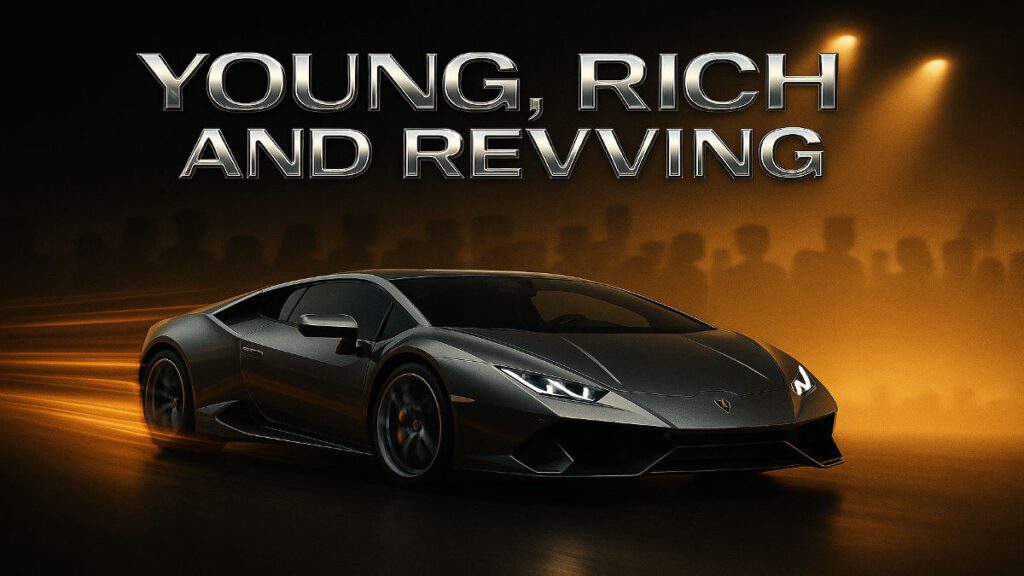
India’s roads are changing and fast. Luxury sedans and sporty SUVs, which once belonged mostly to industrialists or the older elite, are now being driven by a much younger crowd. From young professionals and entrepreneurs to second generation business heirs, Gen Z and
millennials are reshaping the luxury car market like never before. This shift isn’t just about money, it’s about mindset, lifestyle, and identity. Today’s young buyers want more than a car; they want an experience, a symbol, and a reflection of who they are.
The New Luxury Buyer: Young, Ambitious, and Image Driven
For millennials and Gen Z, a luxury car isn’t just about getting from point A to point B.
- It’s a statement of success, status, and personal brand.
- Many buyers are making their first big car purchase before turning 40.
- In India, the average Lamborghini buyer is under 40, one of the youngest demographics globally (Reuters).
These buyers are self-made professionals, startup founders, or second-generation entrepreneurs. They are digitally savvy, globally aware, and willing to spend on exclusivity, technology, and performance not just on the badge.
What’s Driving This Luxury Car Boom?
1. Rising Wealth and New Money
India’s affluent population is expanding at record speed. With booming industries like tech, startups, and finance, new wealth is being created every day. The luxury car market in India is expected to hit $1.32 billion in 2025 and keep growing (Mordor Intelligence).
2. Easy Access to Credit
Owning a luxury car is no longer about paying the full amount upfront. Flexible options like leasing, subscription models, and EMI plans have made these cars accessible. In fact, 80% of luxury car deliveries in India are financed (Mordor Intelligence).
3. A Cultural Shift in Spending
Younger Indians are choosing experiences over savings. Unlike older generations who were cautious with money, millennials and Gen Z are comfortable spending big on lifestyle and prestige. As Reuters noted, they show a stronger willingness to spend on luxury goods than
previous generations.
The Market Landscape: Growth, Segments, and Challenges
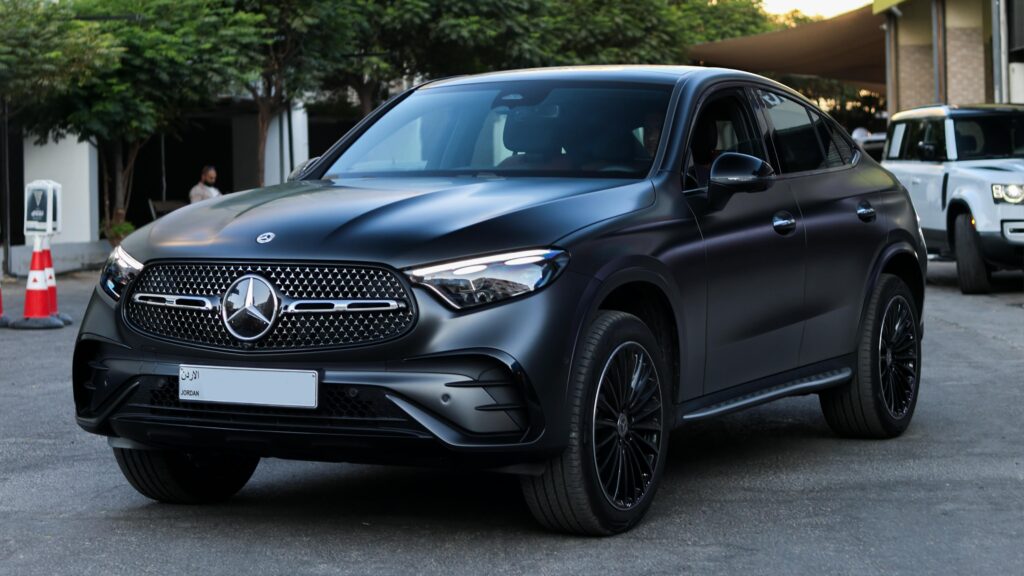
India’s luxury car industry is still small but growing steadily:
- In the first half of 2025, about 22,900 luxury cars were sold, a slight increase from 2024.
- Mercedes-Benz led with 9,013 units, while BMW and MINI sold 7,477 units, marking a
10% year-on-year rise (Reuters). - The segment makes up just 1% of India’s total passenger vehicle market, leaving
massive room for growth. - Fastest-Growing Segments:
1. SUVs and crossovers remain the top choice.
2. Luxury EVs are gaining popularity; sales jumped 66% in early 2025, with 2,027 units
sold (IBEF). - Roadblocks:
High import duties, weak infrastructure in smaller cities, and after-sales service gaps
could slow progress unless brands adapt.
How Brands Can Win Over Young Buyers
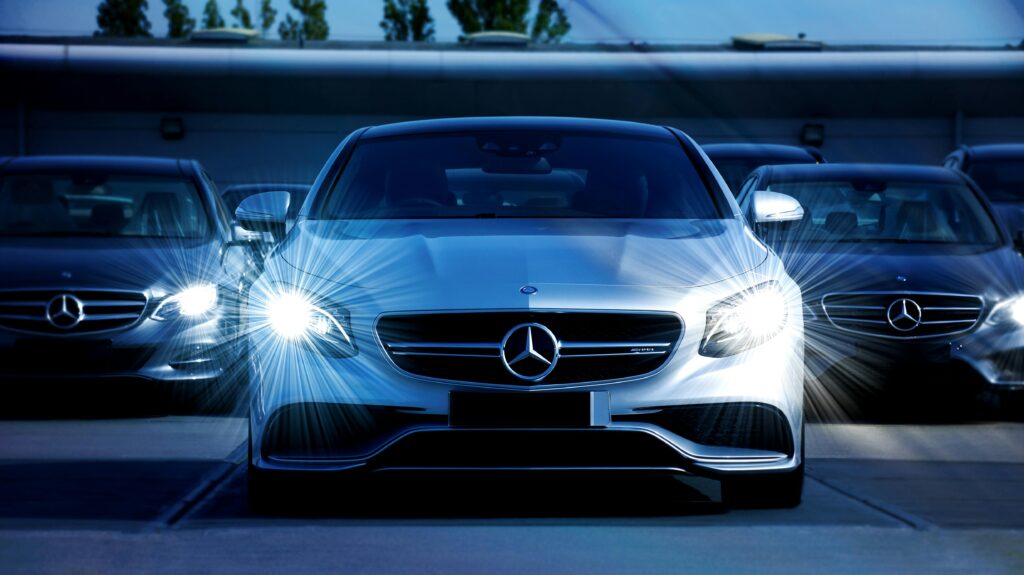
To stay relevant, luxury car brands must evolve beyond traditional selling points.
Here’s how:
● Go Digital First
Virtual showrooms, AR previews, remote test drives, and seamless online experiences.
● Offer Flexible Ownership
Subscription models, trial schemes, and upgrades to attract buyers who want variety
over long-term commitment.
● Focus on Tech & Sustainability
EVs, smart connectivity, carbon-neutral materials, and over-the-air updates matter more
than just the logo.
● Localise Smartly
Locally assembled cars with India-specific features while maintaining exclusivity.
● Build Communities
Exclusive drives, owner clubs, influencer tie-ups, and cultural events create social proof
and aspirational value.
Redefining Luxury Mobility in India

Luxury mobility in India is no longer about legacy or age, it’s about ambition, lifestyle, and visibility. Gen Z and millennials are rewriting the rules, proving that luxury isn’t a reward for growing old, but a statement of identity and aspiration. The brands that listen, innovate, and stay culturally relevant will lead the way. In a country where wealth and visibility are rising hand in hand, the future of luxury cars in India belongs to the young, ambitious, and bold.