
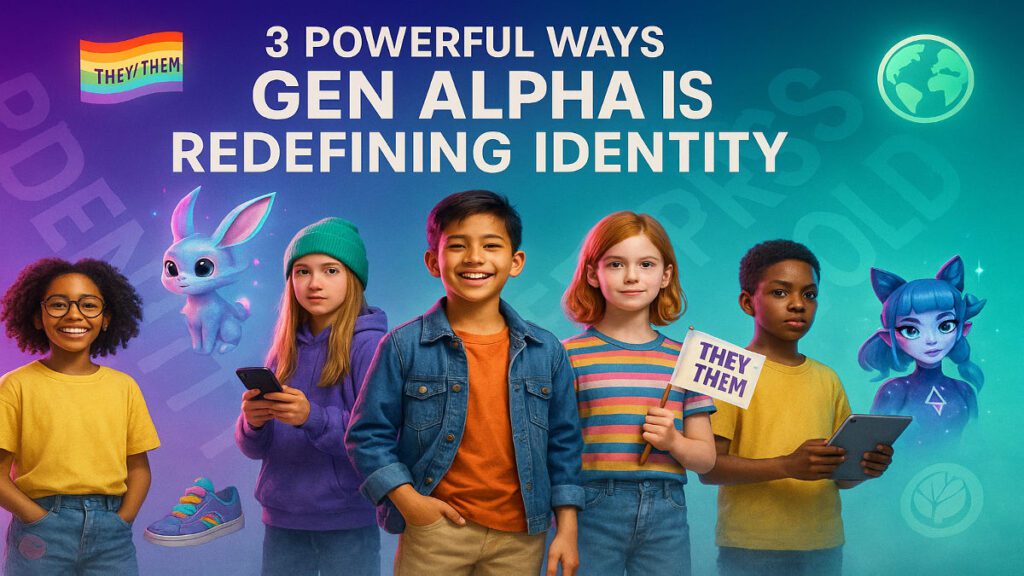
Short answer: Gen Alpha (born 2010–2024) is redefining identity in three main ways: embracing fluid pronouns and gender identity, treating personal style as creative self-expression, and making values-driven choices around sustainability, inclusion and cause-led brands. Over 40% of Gen Z and Gen Alpha know someone who uses gender-neutral pronouns (Pew, 2023).
In today’s fast-changing world, Generation Alpha—kids born between 2010 and 2024—are crafting a new blueprint for identity. Armed with smartphones before they can write cursive, and shaped by a society more open to diversity and individuality, this generation is redefining what it means to be seen, heard and expressed. From pronouns to personal style, their journey of self-discovery is more fluid, values-driven and inclusive than any before.
How is Gen Alpha embracing pronouns and fluid identity?
In 2025, Gen Alpha doesn’t just accept diversity. They expect it.
Raised in classrooms and homes where conversations around gender identity are common, many Gen Alpha children understand and use gender-neutral pronouns by the time they reach elementary school. This shift reflects a growing acknowledgment that identity is personal, not prescriptive.
Take 12-year-old Rhea, who introduces her friends using “they/them” pronouns without skipping a beat. “That’s just who they are,” she shrugs. It’s not controversial. It’s compassionate. Gen Alpha is learning from digital platforms, online communities and influencers who talk openly about non-binary, trans and fluid identities. Their sense of belonging is built on respect for differences, not conformity.
According to a 2023 Pew Research study, over 40% of Gen Z and Gen Alpha respondents said they personally knew someone who uses gender-neutral pronouns. This early normalisation is a clear sign that the youngest generation is leading us into a more inclusive future.
Why does Gen Alpha treat style as self-discovery?
Forget fast fashion. For Gen Alpha, personal style is about storytelling, and the narrator is them.
Customisation reigns. From adding unique patches to denim jackets to creating digital avatars with purple hair and dragon wings, these kids are growing up in a world that constantly tells them, “Be you.” And they’re listening.
Platforms like Roblox, TikTok and YouTube are more than entertainment. They are playgrounds for experimenting with identity. Many Gen Alpha kids, like 10-year-old Aarav, spend hours designing their Bitmoji or Minecraft skins, then mimic that creativity in real life. “I like to wear different colored shoelaces,” he explains. “My shoes show my mood.”
This do-it-yourself ethos is powerful. These kids are wearing their feelings on their sleeves, sometimes literally, and broadcasting their sense of self to the world. They are creators, not just consumers, shaping trends by what they post, share and wear.
What are Gen Alpha’s values-driven choices?
Unlike older generations who may have discovered activism later in life, Gen Alpha is growing up with climate marches, DEI (diversity, equity and inclusion) lessons in school, and influencers who double as social change advocates. These kids are not just stylish. They are socially aware.
Thrifted outfits and upcycled backpacks are more than budget-friendly options. They are badges of purpose. A 2024 report by Common Sense Media noted that nearly 60% of tweens aged 9–12 expressed a preference for brands that are eco-conscious or support causes they care about.
They will skip a shirt if it’s fast fashion, but they will proudly show off one they helped DIY at a school sustainability fair. The brands they trust speak their language of inclusion, purpose and transparency. For Gen Alpha, being “cool” is increasingly tied to being conscious.
How do influencers mirror Gen Alpha identity?
Influencers hold sway over Gen Alpha’s tastes, but it’s not the number of followers that matters. It’s authenticity.
YouTube stars like Marques Brownlee or environmental advocates like Leah Thomas don’t promote products. They share stories, values and beliefs. For many kids, these influencers serve as mirrors, reflecting how they can live, dress, speak and stand up for what they believe in.
TikTok isn’t a platform for dances alone. It’s a stage for activism, identity exploration and discovering a new favourite thrift store.
How can parents and educators guide Gen Alpha?
Generation Alpha is redefining identity as an evolving story they get to write, not a fixed box to check. Their relationship with pronouns, personal style and values-driven choices reveals a generation unafraid to ask big questions and live boldly.
For parents, educators and caregivers, the message is clear: listen, guide and create space. These kids don’t need to be told who to be. They need the freedom and safety to figure it out.
As we move deeper into 2025, the question isn’t whether Gen Alpha is ready to shape the future. It’s whether we’re ready to support them as they do.
FAQs about Gen Alpha identity
Who is Generation Alpha?
Generation Alpha refers to kids born between 2010 and 2024. They are growing up with smartphones, social media and open conversations about identity and inclusion.
Do Gen Alpha kids use gender-neutral pronouns?
Many do. A 2023 Pew Research study found over 40% of Gen Z and Gen Alpha respondents personally knew someone who uses gender-neutral pronouns, pointing to early normalisation of fluid identity.
How does Gen Alpha express personal style?
Through customisation, DIY fashion and digital avatars on Roblox, TikTok and YouTube. They blend online creativity with real-world choices like patched jackets and colourful shoelaces.
Do Gen Alpha kids care about sustainability?
Yes. A 2024 Common Sense Media report found nearly 60% of tweens aged 9–12 prefer brands that are eco-conscious or support causes, which often pushes them toward thrifted and upcycled fashion.
Which influencers shape Gen Alpha identity?
Creators like Marques Brownlee and environmental advocates like Leah Thomas resonate with Gen Alpha because they combine authenticity with values, not just product promotion.