Short answer: In 2025, Indian Gen Z still uses Snapchat because it stays private, camera-first, and ephemeral. Features like Snap Streaks, AR lenses, Snap Map, and Spotlight keep it relevant against Instagram and TikTok alternatives, and 70% of Gen Z rely on their Snap inner circle for advice.
In a social media landscape where platforms rise and fall overnight, Snapchat has kept a steady grip on young users. In 2025, despite competition from TikTok, Instagram, and newer short-form video apps, Snapchat remains a cultural staple for Gen Z. What keeps it alive? A mix of privacy, playfulness, and authenticity that matches how today’s youth actually use the internet.
Why does Snapchat feel private and authentic?
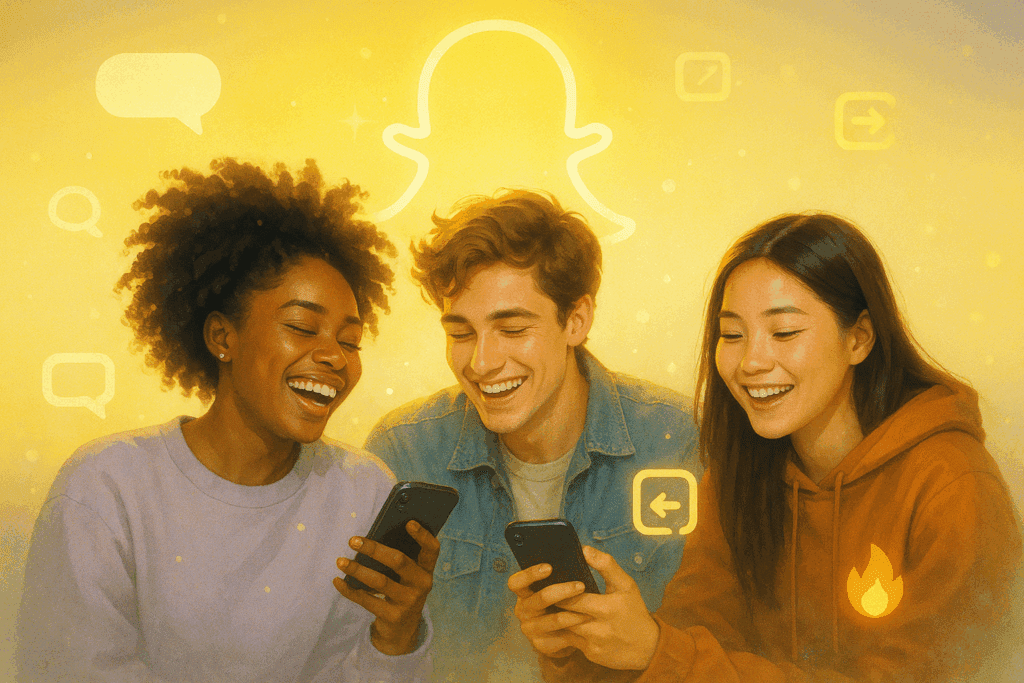
Unlike networks built around public validation, likes, and curated feeds, Snapchat has carved out a space for genuine connection. For Gen Z, authenticity isn’t a buzzword; it is the currency of trust.
- Focus on close circles: Instagram is often about showing off; Snapchat thrives in the private sphere. Young people use it to share real moments with their closest friends and family. Research shows that 70% of Gen Z relies on this inner circle for advice. In India, this plays out in small ways: college students from Delhi University often use Snapchat groups to discuss internships or fashion choices with trusted friends rather than posting on Instagram.
- Ephemeral content: The disappearing nature of Snaps and Stories removes the pressure to be polished. During festivals like Diwali or Holi, Indian Gen Z uses Snaps to capture unfiltered celebrations, from messy gulal moments to lighting diyas with family, knowing they don’t need to look “Insta-perfect.”
- Safe for self-expression: A 19-year-old engineering student in Bengaluru said she uses Snapchat “to rant about professors and project deadlines” because her Snaps vanish. That sense of safety, of not being judged or archived forever, keeps Indian students on the app.
How does Snapchat’s visual language hook Gen Z?
Snapchat’s DNA has always been camera-first, and in a mobile-first world of visual language, that lands with Gen Z. Photos, videos, emojis, and AR filters have replaced long text messages, and Snapchat understood the shift early.
- AR Lenses as play and expression: Augmented reality has become a favourite form of digital expression. In India, regional AR filters, like Bollywood-inspired lenses, cricket-themed masks during the IPL, or festival filters for Ganesh Chaturthi or Pongal, see massive engagement. The lenses mix fun with cultural identity.
- “Shopcializing” with AR: Indian brands are experimenting with Snapchat AR. Beauty brands like Nykaa and Lakmé have tried AR try-ons, letting Gen Z users preview lipstick shades or eye shadow palettes. For a generation that shops heavily during sales like Big Billion Days or Amazon’s Great Indian Festival, AR shopping feels innovative and convenient.
- Immersion over curation: Unlike Instagram’s highly polished reels, Snapchat’s visual language stays raw and direct. A Mumbai college student put it well: “On Insta I look like I’m trying too hard. On Snap, I just look like me.”
How does Snapchat use FOMO to keep users hooked?
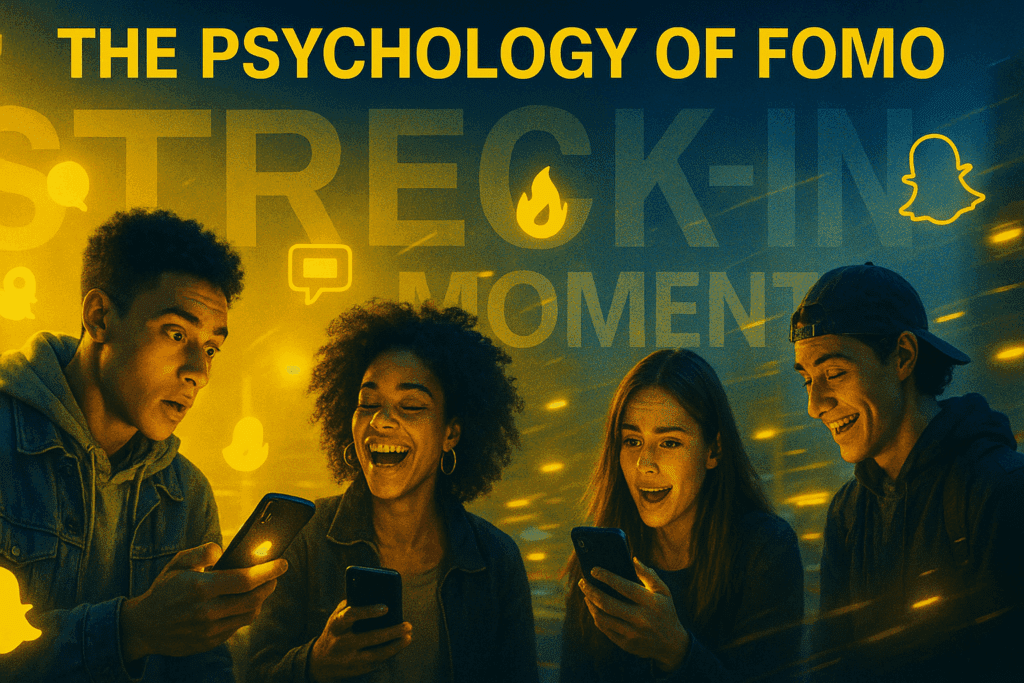
Fear of Missing Out is a powerful driver of digital behaviour, and Snapchat uses it well. Its ephemeral design pushes users to check in often, in case they miss an update from their inner circle.
- Check-in culture: In Indian metros, college-goers check Snapchat between classes, on metro rides, and while waiting at chai stalls. Because Snaps disappear, they don’t want to miss updates from their circle.
- Snap Streaks: One of the most addictive gamified features is Snap Streaks. Indian teenagers take this seriously. A student in Pune said she and her best friend have a 700+ day streak, and losing it would feel “like breaking a promise.” Gamified friendship is as strong in India as it is globally.
Why do Gen Z trust Snapchat influencers more?
In an age of influencer fatigue, where followers often doubt glossy Instagram campaigns, Snapchat has gone a different way. Influencers here tend to share raw, daily-life content that feels less like performance and more like genuine interaction.
- Raw over polished: Indian micro-influencers, from campus fashion bloggers to budding stand-up comics, use Snapchat to share unfiltered behind-the-scenes snippets rather than curated reels. That rawness resonates with Gen Z, who prefer relatability over aspiration.
- Deeper parasocial bonds: A young creator from Hyderabad said he gets more genuine conversations on Snapchat than on Instagram because “people feel comfortable DMing me here.” For Indian Gen Z, Snapchat’s intimate space builds bonds other platforms can’t replicate.
- Marketing with heart: The most successful brand-creator campaigns in India lean into local context. A cricket-themed Snap Lens launched during the India vs Pakistan World Cup match saw young fans flooding the app with celebratory Snaps, a mix of national pride and personal fandom.
How is Snapchat innovating for Indian Gen Z?
One of Snapchat’s underrated strengths is its ability to innovate without losing its core. While other platforms chase trends, Snapchat adds new features that extend what the app already does well.
- Snap Map in India: Indian students use Snap Maps to coordinate meetups, from catching a late-night chai in Bengaluru to attending gigs in Mumbai. Local discovery layered with social updates makes it useful in a country where hangouts happen spontaneously.
- Spotlight: Snapchat’s short-form video feature gives Indian creators an outlet beyond TikTok, which remains banned. Regional content creators, from Tamil comedy skit artists to Rajasthani folk performers, now use Spotlight to reach Gen Z audiences in their own languages.
- Constant evolution: AR shopping, festival-themed lenses, and new privacy controls keep Snapchat relevant in India’s fast-changing youth market.
Why does Snapchat still matter in 2025?
Why is Snapchat still relevant when Instagram, TikTok alternatives, and YouTube dominate the Indian stage? It has chosen depth of connection over breadth of exposure.
For Indian Gen Z, social media isn’t only about being seen; it is about being understood. Snapchat gives them a place to be playful, imperfect, and real with the people who matter most. Its edge lies in staying true to its identity: a camera-first, ephemeral, authentic space.
The ghost that refuses to fade

Social media trends come and go, but Snapchat proves that sometimes less is more. By focusing on genuine human connections, self-expression, and weaving innovation into everyday communication, the platform has carved a niche no rival has fully replicated.
For brands, creators, and everyday users, Snapchat’s 2025 message is clear: authenticity wins. As long as Gen Z wants spaces that feel safe, fun, and real, the yellow ghost will stay in their digital lives, not as a relic but as a trusted companion.
FAQs about Snapchat and Gen Z in India
Why do Indian Gen Z still use Snapchat in 2025?
Snapchat stays private, camera-first, and ephemeral. For Indian Gen Z, it is the place to share unfiltered moments with a close circle without the public pressure of Instagram, which is why 70% of Gen Z rely on this inner circle for advice.
What are Snap Streaks and why do they matter?
Snap Streaks count consecutive days two users exchange Snaps. Indian teenagers take them seriously; one Pune student said a 700+ day streak with her best friend would feel “like breaking a promise” to lose.
How do Indian brands use Snapchat AR?
Beauty brands like Nykaa and Lakmé have used AR try-ons for lipsticks and eye shadow. Festival-themed and cricket-themed lenses, including ones tied to the IPL and the India vs Pakistan World Cup match, have also driven large engagement.
Is TikTok still banned in India, and what do creators use instead?
TikTok remains banned in India. Many creators, including Tamil comedy skit artists and Rajasthani folk performers, use Snapchat Spotlight to reach Gen Z audiences in regional languages.
What is Snap Map used for in India?
Indian students use Snap Map to coordinate meetups, from late-night chai in Bengaluru to attending gigs in Mumbai, making it useful for the spontaneous hangouts that are common in Indian city life.