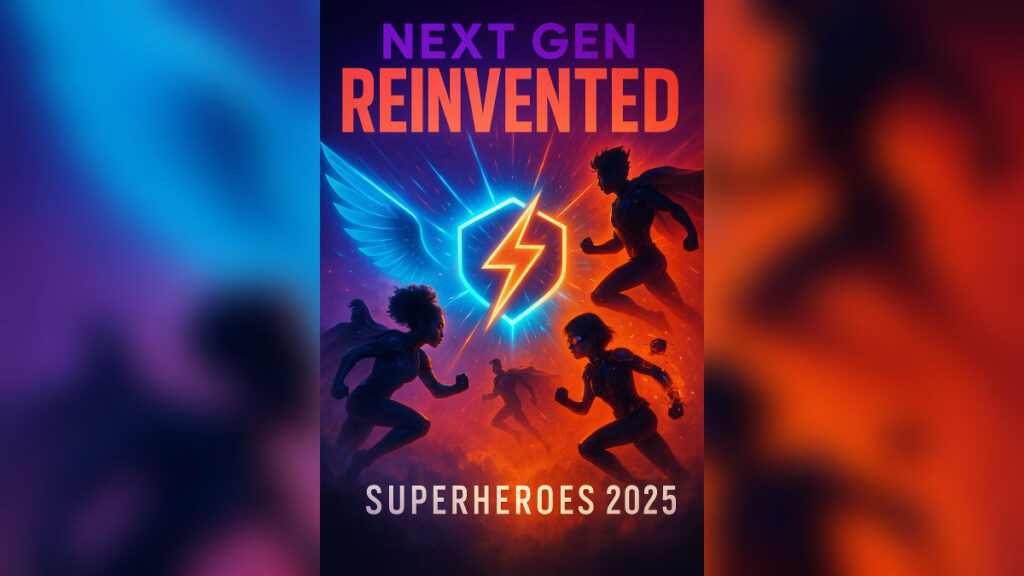
The capes are still there. The epic battles? Still thrilling. But if you ask a Gen Alpha kid who their favorite superhero is in 2025, don’t be surprised if they mention a climate activist, a teen with anxiety who saves their community, or a doctor on the frontlines.
Born between 2010 and 2025, Gen Alpha is growing up in a world marked by diversity, digital saturation, and deep global concerns. Unsurprisingly, their idea of what makes a superhero super is radically different from past generations.
Let’s explore how these young minds are reshaping the superhero narrative—one inclusive, emotionally intelligent character at a time.
1. Diversity Isn’t a Feature—It’s a Foundation
Gone are the days when superheroes all looked, sounded, and acted alike. For Gen Alpha, diversity is not just appreciated—it’s expected.
Today’s young audiences want to see heroes that reflect the real world around them: Black Panther, Kamala Khan, and Miles Morales are just the beginning. Even Superman’s son, Jonathan Kent, being portrayed as openly gay is seen by many kids not as controversial but as completely normal.
“It’s not about ticking boxes,” says 11-year-old Maya. “It’s about everyone getting a turn to be the hero.”
In a 2023 study by Udonis, most Gen Alpha respondents indicated that inclusive representation directly impacted their enjoyment of a story. For them, a hero with a disability or from an underrepresented background isn’t different—they’re just part of the world they know.
2. Emotional Strength Over Muscle Power
While biceps and battle armor still get some love, Gen Alpha is far more invested in emotional resilience and mental wellness.
Characters who are open about their struggles—like Wanda Maximoff navigating grief in WandaVision—are seen as powerful in ways that transcend brute strength. According to Psychology Today, Gen Alpha is highly attuned to mental health issues, and they value superheroes who show vulnerability without shame.
One fifth-grader shared, “When a hero cries or admits they’re scared, I feel like I can be brave too.”
In a way, these characters are giving kids the emotional vocabulary they need to navigate their own lives.
3. Saving the World Means All of It
Forget just fighting aliens. In 2025, Gen Alpha wants superheroes who battle real-world villains—like climate change, injustice, and inequality.
According to research by Salesforce, Gen Alpha is one of the most socially and environmentally conscious generations to date. That awareness has extended to the stories they consume. Superheroes who fight for justice, protect the environment, or advocate for underrepresented voices are admired more than those simply smashing buildings or punching bad guys.
Think of heroes who clean up oil spills, protest injustice, or build shelters after natural disasters—these are the role models today’s kids want.
4. Authenticity Over Perfection
Perfect heroes are no longer in vogue. What Gen Alpha appreciates is realness—flawed characters who grow, struggle, and sometimes make mistakes.
The classic good-versus-evil dichotomy is being replaced by nuanced storytelling. Characters like Loki or Scarlet Witch, who blur the lines between hero and anti-hero, fascinate this generation. They’re not just looking for someone who saves the day; they’re looking for someone who grows into the role—and makes it their own.
“I like when they mess up and learn from it,” says 10-year-old Arjun. “It makes them more like us.”
5. The Power of Teamwork
Gen Alpha has grown up on collaboration—from Minecraft builds to group TikTok dances—so it’s no wonder they love superhero teams.
While Batman or Iron Man are still iconic, ensemble casts like those in The Avengers or Guardians of the Galaxy appeal more deeply. These stories show that you don’t need to be perfect—you just need to bring your unique strength to the table and trust others to do the same.
It’s a collective mindset that mirrors their real-world social behavior: work together, celebrate differences, and build something bigger than yourself.
6. Everyday Heroes Deserve Capes Too
One of the most striking shifts is how Gen Alpha is redefining who qualifies as a superhero.
According to McCrindle, children today are just as likely to idolize scientists, doctors, teachers, or even climate activists as they are to admire comic book icons. During the pandemic, many kids began to view frontline workers as heroes—and that perception stuck.
To them, courage isn’t measured by how many villains you fight, but by how many lives you touch. Whether it’s a doctor saving lives or a coder building an app for clean water, Gen Alpha knows that not all heroes wear masks or fly.
Gen Alpha’s Hero Has Heart, Depth, and Purpose
Superheroes aren’t disappearing—they’re evolving. And in 2025, they’re more diverse, emotionally rich, socially aware, and grounded than ever before.
Gen Alpha is showing the world that true strength lies not in lifting buildings, but in lifting people up. They’re not just watching stories; they’re reshaping them.
So the next time you think about what a superhero looks like, don’t just picture the cape. Picture a kid standing up for a classmate. A young coder solving water scarcity. A hero who cries, feels, fights—and heals.
This is Gen Alpha’s superhero. And honestly, we could all learn a thing or two from them.