

Short answer: Bhajan jams are informal, participatory devotional music gatherings resonating with Indian Gen Z for their spirituality without instruction, mental-health benefits and communal feel. Brands can engage by facilitating quietly, supporting the wider ecosystem and avoiding logo-first activations that break the vibe.
On a Sunday evening a few months ago, I walked into a small café in South Delhi expecting the usual: laptops, quiet conversations, the hum of an espresso machine. Instead, I found people sitting on the floor. No stage. No microphones. No sponsor banner. Someone was tuning a harmonium. Another tapped a rhythm on a cajón. When the singing started, it was hesitant, then confident, then collective.
No aggressive filming. No performing for applause.
That was my first real encounter with a bhajan jam. It felt less like an event and more like being invited into a shared moment.
Across Indian cities, campuses, cafés, rooftops and living rooms, bhajan jams are becoming a defining cultural signal for Gen Z. They are informal, community-led and participatory. For brands watching youth culture closely, they represent a real opportunity and a line that must not be crossed.
What are bhajan jams, really?
At the surface, bhajan jams are collective singing sessions inspired by Indian devotional music. Stopping at that definition misses the point.

Traditional bhajan settings are temple-based or institution-led. Today’s bhajan jams are fluid and open-ended. There is no fixed structure, no sermon, no hierarchy. Anyone can lead a verse. Anyone can stay silent. Imperfect voices are expected, not merely accepted.
What matters is presence, not musical excellence.
The music blends old and new. Sanskrit verses sit next to Hindi or regional lyrics. Harmoniums coexist with guitars and hand percussion. The setting might be a yoga studio one day and a college common room the next.
For Gen Z, that flexibility is the appeal.
Why do bhajan jams resonate with Gen Z?
Spirituality without instruction
Gen Z is not disinterested in spirituality. What they resist is prescription.

Bhajan jams offer an entry point into spiritual expression without telling participants what to believe or how to behave. No rules to memorise. No authority figures to impress. Meaning is personal, optional and self-directed.
In a generation shaped by uncertainty, that autonomy matters. A 2023 Deloitte Global Gen Z survey found that over 40% of Gen Z respondents actively seek activities that support mental and emotional well-being, even outside formal wellness or religious categories. Bhajan jams sit in this in-between space.
From performance to participation
Gen Z has spent years performing on Instagram, LinkedIn, dating apps and classroom Zoom calls. Curated identities are now second nature.
Bhajan jams dismantle that performance instinct. There is no audience, no spotlight. Everyone present contributes by showing up. Singing is encouraged, silence is respected. That shared vulnerability creates belonging most traditional events struggle to achieve. In a hyper-competitive, image-driven world, it feels like relief.
Mental health, but make it collective
Wellness for Gen Z is no longer about optimisation or hustle. It is about regulation, softness and care.

Bhajan jams align with breathwork, meditation and sound healing. Neuroscience backs the link. Group singing has been shown to lower cortisol and raise oxytocin, the hormone linked to bonding and trust (Clift & Morrison, Journal of Behavioral Medicine). What makes bhajan jams distinct is their collective nature. Healing is experienced together rather than handled alone.
Reclaiming culture without inheritance guilt
This is not nostalgia. It is intentional rediscovery. Many Gen Z participants encounter bhajans outside the frameworks they grew up with. Without the weight of expectation, these songs become poetry, rhythm and vibration instead of obligation. That sense of choice turns tradition into something living rather than inherited.
Why should brands pay attention, carefully?
Bhajan jams signal a broader cultural shift among young Indians: a move from loud self-expression towards quiet, shared grounding.
That shift directly challenges conventional youth marketing built on scale, spectacle and constant visibility. Heavy branding, influencer-first approaches and performance-driven metrics feel out of place here. The question for brands is not whether to engage, but how.
How can brands engage without diluting the culture?
Facilitate, do not dominate
The fastest way to lose credibility in this space is to over-brand it. Brands that succeed act as enablers. Providing venues, logistical support or simple infrastructure works far better than plastering logos everywhere. The brand should feel like a quiet supporter, not the central character. Think hosting, not hijacking.
Support the ecosystem, not just the moment
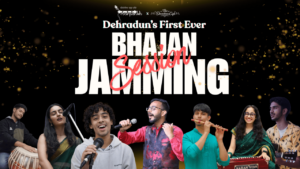
Bhajan jams are part of a wider cultural web of musicians, wellness practitioners, community organisers and independent cultural spaces. Long-term partnerships — funding rehearsal spaces, supporting artist residencies or enabling city-level jam circuits — build trust far beyond a one-off event. Credibility here is cumulative.
Content should feel observed, not engineered
If brands make content around bhajan jams, restraint is essential. Highly produced videos, scripted moments or forced storytelling feel intrusive. Documentary-style visuals, participant voices and ambient storytelling preserve authenticity. Let the moment breathe. The audience will do the rest.
Value alignment matters more than reach
Not every brand belongs in this space. Wellness, culture, education, food and community-building brands naturally align with the ethos of bhajan jams. Even inside these categories, values matter. If a brand does not genuinely respect stillness, cultural nuance and community-led expression, Gen Z will sense the mismatch.
Think slow growth, not instant virality
Bhajan jams do not scale like pop-up concerts. They grow organically, one city, one community, one gathering at a time. Brands willing to invest patiently without chasing instant metrics benefit the most. Here, depth beats reach.
What should brands avoid at all costs?
- Turning bhajan jams into influencer-only experiences
- Commercialising sacred or culturally sensitive symbols
- Using devotional music as background noise for product promotion
- Measuring success purely through impressions and engagement rates
This trend is unforgiving to inauthenticity.
The larger opportunity: building cultural memory
For platforms like TheYouthTalks, bhajan jams are more than a trend. They offer a repeatable cultural format with long-term significance. Documenting these moments through films, playlists, conversations and archives can create a living record of how Gen Z is reshaping spirituality, wellness and community in modern India. This is not about virality. It is about preservation.
A closing thought
Bhajan jams are not a rejection of modern life. They are a response to it. In a world optimised for noise, Gen Z is choosing harmony. In a culture obsessed with individuality, they are rediscovering togetherness.
Brands that approach this space with humility will ask a better question than “How do we market here?” They will ask, “How do we belong here?”
The answer will define who earns Gen Z’s trust and who quietly fades into the background.
FAQs about bhajan jams and Gen Z
What is a bhajan jam?
A bhajan jam is an informal, participatory singing session inspired by Indian devotional music. Unlike temple-led bhajans, there is no fixed structure, sermon or hierarchy. Anyone can lead or stay silent, and imperfect voices are expected.
Why is Gen Z in India drawn to bhajan jams?
Gen Z values spirituality without instruction, collective mental-health practices and cultural rediscovery without guilt. Bhajan jams combine all three in a low-pressure, participatory setting. A 2023 Deloitte Global Gen Z survey showed over 40% actively seek activities supporting mental and emotional well-being.
How can brands engage with bhajan jams authentically?
Brands should facilitate rather than dominate, fund the wider ecosystem of musicians and spaces, create documentary-style content, ensure value alignment with stillness and community, and invest in slow growth instead of virality.
What should brands avoid with bhajan jams?
Avoid influencer-only activations, commercialisation of sacred symbols, using devotional music as product-promotion background, and measuring success only through impressions and engagement rates.
Do bhajan jams actually help mental health?
Group singing has been shown to lower cortisol and raise oxytocin, the hormone linked to bonding and trust (Clift & Morrison, Journal of Behavioral Medicine). Bhajan jams add a collective, communal layer on top of those effects.