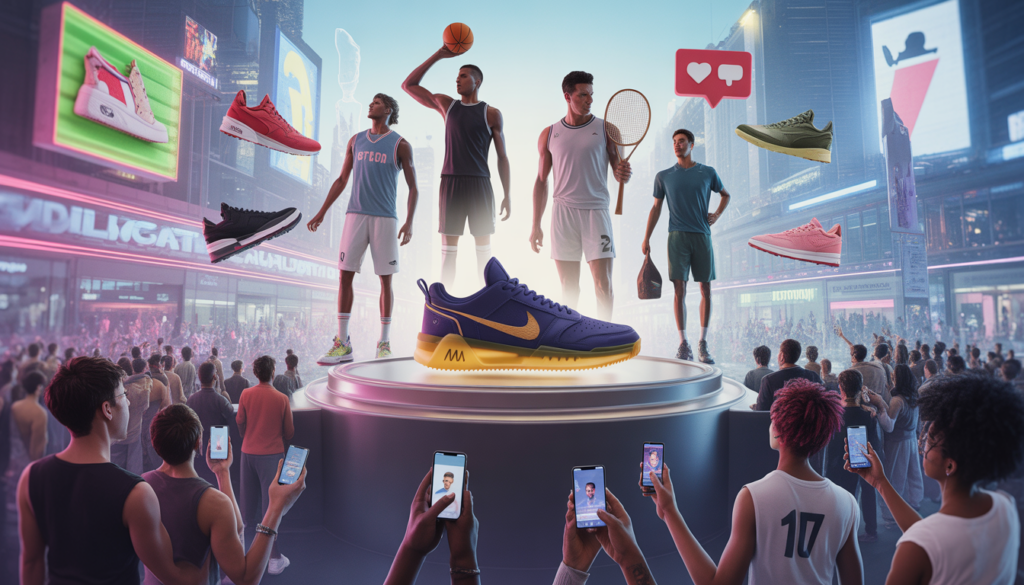
Short answer: Athlete brand collaborations in India are driving Gen-Z sales because they feel like culture, not ads. Virat Kohli’s One8 with Puma has generated over Rs 250 crore, PV Sindhu fronted Bridgestone’s “Chase Your Dream”, Neeraj Chopra partners with Under Armour and Tata AIA, and MS Dhoni’s Seven label turns athletes into entrepreneurs.
India’s sports marketing ecosystem has evolved rapidly in recent years. Cricket stars, Olympic champions, and emerging athletes now shape consumer trends across fashion, fitness, and lifestyle.
Here are five collaborations that illustrate the shift.
How did Virat Kohli and Puma build One8 into a Gen-Z favourite?
The partnership between Virat Kohli and Puma produced the One8 athleisure line.
Launched after Kohli signed a Rs 110-crore endorsement deal, the brand quickly became one of Puma India’s top-performing collections.
Reports suggest the line has generated over Rs 250 crore in business since launch.
The success comes from a clever positioning strategy. One8 blends sportswear with streetwear, making it suitable for gyms, casual outings, and everyday fashion.
Gen-Z consumers, who increasingly prefer athleisure clothing, find the style practical and aspirational.
In many ways, One8 is India’s closest equivalent to the Jordan-Nike model.
Why does the Rohit Sharma x Adidas partnership work?
Another notable collaboration involves Rohit Sharma and Adidas.
Sharma’s campaigns promote cricket gear, sports shoes, and lifestyle apparel targeted at young cricket fans.
Cricket’s popularity in India gives such partnerships extraordinary influence. For millions of teenagers who grow up idolising national players, wearing the same brand becomes a natural extension of fandom.
Sports enthusiasm translates directly into retail demand.
How did PV Sindhu turn Bridgestone’s “Chase Your Dream” into inspiration?
Olympic badminton champion PV Sindhu partnered with Bridgestone for the “Chase Your Dream” campaign.
Tyres might appear unrelated to youth culture, but the campaign succeeded because it focused on storytelling.
Sindhu’s journey from a young athlete to Olympic medallist became the centerpiece of the brand narrative.
The campaign resonated strongly with young Indians who saw her as a symbol of perseverance and ambition.
It also demonstrated an important truth: authentic inspiration can sell products even in unexpected categories.
Why is Neeraj Chopra India’s most sought-after fitness ambassador?
After winning Olympic gold, Neeraj Chopra quickly became one of India’s most sought-after brand ambassadors.
He partnered with companies like Under Armour and Tata AIA.
Chopra’s appeal lies in his authenticity. Unlike many celebrity influencers, his public persona feels grounded and relatable.
For Gen-Z consumers focused on health and fitness, he represents discipline and resilience.
Brands have used that image to promote wellness products and athletic gear.
How did MS Dhoni turn Seven into an entrepreneurial lifestyle brand?
Cricket legend MS Dhoni went a step further by launching his own activewear brand, Seven.
Unlike standard endorsement deals, this collaboration gave Dhoni significant creative involvement.
The brand offers sportswear and casual apparel designed for young consumers who admire Dhoni’s understated style.
Among college students and young professionals, Seven has gained popularity as an affordable athletic fashion label.
It points to a broader trend: athletes transitioning from endorsers to entrepreneurs.
Why do athlete collaborations drive Gen-Z purchases?
Across all five examples, several patterns emerge.
Authenticity matters more than advertising
Gen-Z consumers are highly skeptical of traditional ads. When a product reflects an athlete’s genuine personality, the connection feels credible.
Cultural identity drives demand
Products linked to athletes often become symbols of belonging, whether in sneaker culture, cricket fandom, or fitness communities.
Scarcity creates hype
Limited releases generate excitement. Sneaker drops, exclusive merchandise, and collector editions encourage rapid purchases.
Social media amplifies everything
Athletes with massive online followings can generate instant demand. A single Instagram post can trigger global sales spikes.
What does the future of athlete marketing in India look like?
Looking ahead, athlete brand collaborations are likely to become more sophisticated.
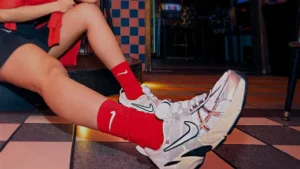
Athletes are already launching venture funds, investing in startups, and co-creating entirely new product categories.
The next generation of collaborations will probably focus on ownership rather than endorsement.
Instead of promoting products, athletes will build brands from the ground up.
When sports meets culture
At their best, athlete collaborations achieve something rare. They transform products into cultural symbols.
A sneaker becomes a statement. A tracksuit represents ambition. A brand evolves into a lifestyle.
For Gen-Z consumers, this blend of identity, storytelling, and authenticity is hard to resist.
Marketing leaders would do well to pay attention. The real lesson from these collaborations is this:
When athletes create culture, not campaigns, consumers don’t just watch. They buy.
FAQs on athlete brand collaborations in India
How much has Virat Kohli’s One8 line earned for Puma?
Reports suggest the One8 line has generated over Rs 250 crore in business since launch, after Kohli signed a Rs 110-crore endorsement deal with Puma. It is one of Puma India’s top-performing collections.
Which brands has Neeraj Chopra partnered with?
Neeraj Chopra has partnered with companies like Under Armour and Tata AIA. His grounded, relatable persona makes him a natural fit for Gen-Z wellness and athletic gear campaigns.
What is MS Dhoni’s Seven brand?
Seven is an activewear label launched by MS Dhoni, offering sportswear and casual apparel. Unlike a typical endorsement, Dhoni has creative involvement, and the brand has grown popular with college students and young professionals.
Why did PV Sindhu’s Bridgestone campaign work despite the product gap?
The “Chase Your Dream” campaign worked because it centred on Sindhu’s journey from young athlete to Olympic medallist. Storytelling outweighed the tyre category, proving authentic inspiration can sell products in unexpected spaces.
How do athlete collaborations influence Gen-Z buying behaviour?
Gen-Z consumers trust athletes more than polished ads. Authenticity, cultural identity, scarcity through limited drops, and social media amplification combine to turn athlete-backed products into symbols of belonging rather than plain merchandise.