Short answer: In 2025, the future of food is shaped by conscious eating, AI-powered kitchens, sustainable farming and virtual dining. Plant-based menus, lab-grown chicken at chains like McDonald’s and KFC, vertical farms, blockchain-traced produce and metaverse meals are moving food from a product to a statement of ethics, health and creativity.
Why is food changing in 2025?
Food has always been more than nourishment. It is identity, culture and comfort. In 2025 it has become a symbol of innovation, ethics and sustainability. The world’s relationship with food is shifting through technology, environmental awareness and changing consumer values. What we eat is no longer only about taste; it is about impact.
From lab-grown meat to AI-crafted recipes and carbon-neutral restaurants, the food revolution of 2025 is redefining how we eat, think and live.
What is conscious eating?
The modern diner is no longer passive. People want to know where their food comes from, who made it and how it affects the planet. That has driven the rise of conscious eating, a movement that ties ethics, sustainability and nutrition into every bite.
Plant-based diets have moved from niche to normal. Supermarkets dedicate entire aisles to meat alternatives, and fine-dining chefs are building haute cuisine from mushrooms, lentils and algae.
Fast food has joined the shift. Chains like McDonald’s and KFC have introduced lab-grown chicken and hybrid burgers that taste like meat with a lower carbon footprint.
In 2025, the question isn’t “Is it tasty?” but “Is it responsible?”
How has tech changed the kitchen?
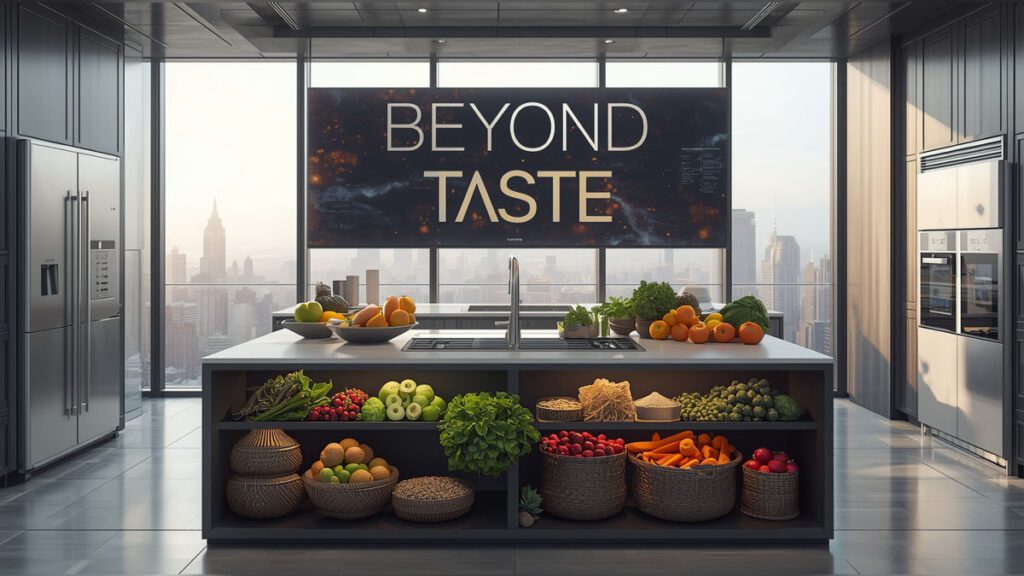
Technology is now the secret ingredient in every modern kitchen. AI-powered appliances can plan meals based on health data, dietary preferences and mood.
Smart fridges track expiration dates, suggest recipes and order groceries automatically. AI nutritionists like NutriAI analyse body metrics in real time, aligning every meal with goals around fitness, focus or relaxation.
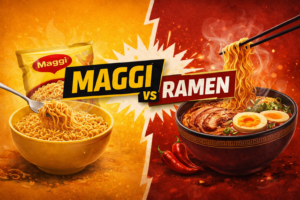
Food influencers are experimenting with AI-generated recipes that blend global cuisines — Korean-Italian fusion pasta, Indian-inspired ramen.
Augmented reality cooking tutorials help beginners feel like professional chefs. The kitchen of 2025 isn’t only smart; it’s personal.
Why does sustainability matter in food?
The climate crisis has pushed the food industry to evolve. Agriculture accounts for nearly one-third of global emissions, so innovators are reimagining the farm-to-table system.
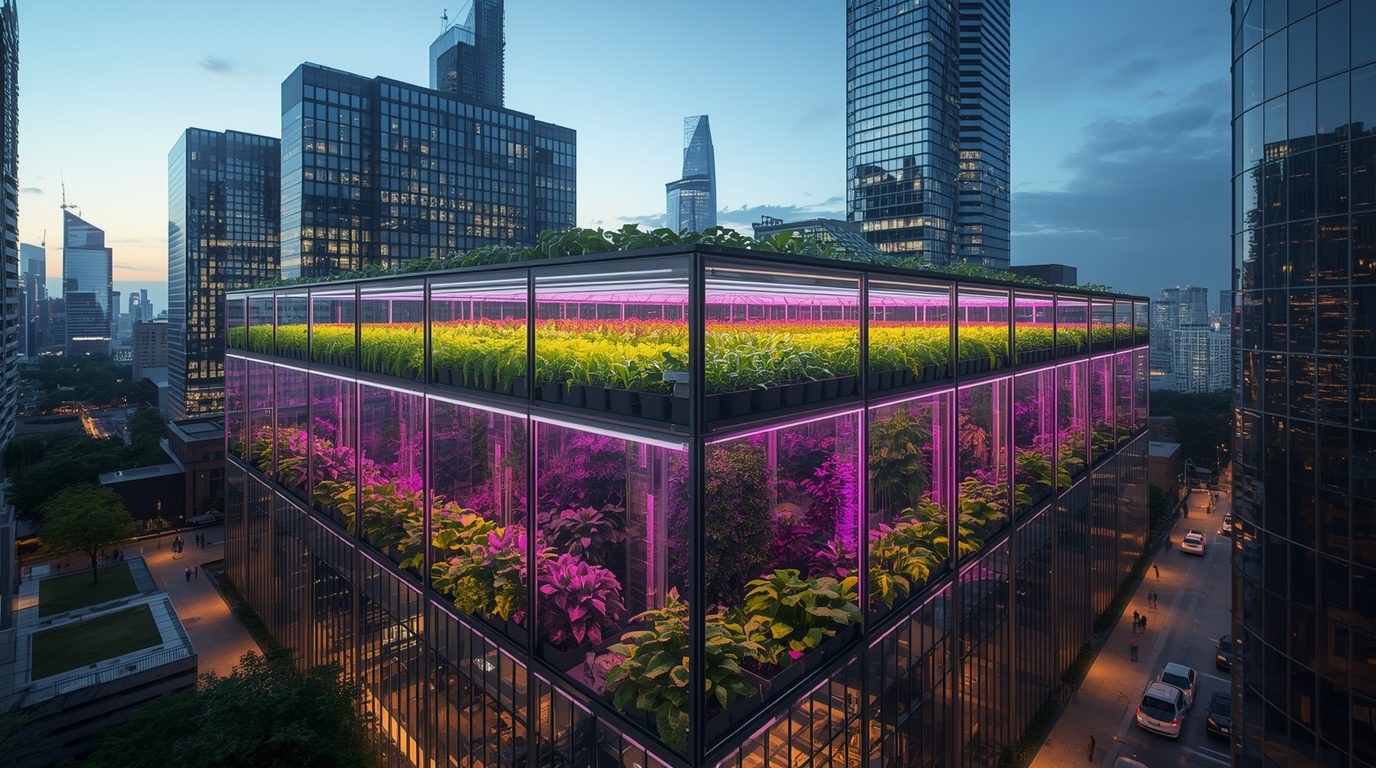
Vertical farming, hydroponics and regenerative agriculture are leading the shift. These methods use less water, less land and produce higher yields. Urban rooftops are turning into edible ecosystems, and drones monitor crop health with precision.
Startups are also cutting waste. Companies like Too Good To Go and Karma connect consumers with surplus food from restaurants and stores, preventing millions of tons of waste annually.
Packaging has gone green too. Edible wrappers, compostable containers and reusable delivery boxes are becoming industry standards. The result is a push toward circular dining, where nothing goes to waste.
Is local food making a comeback?
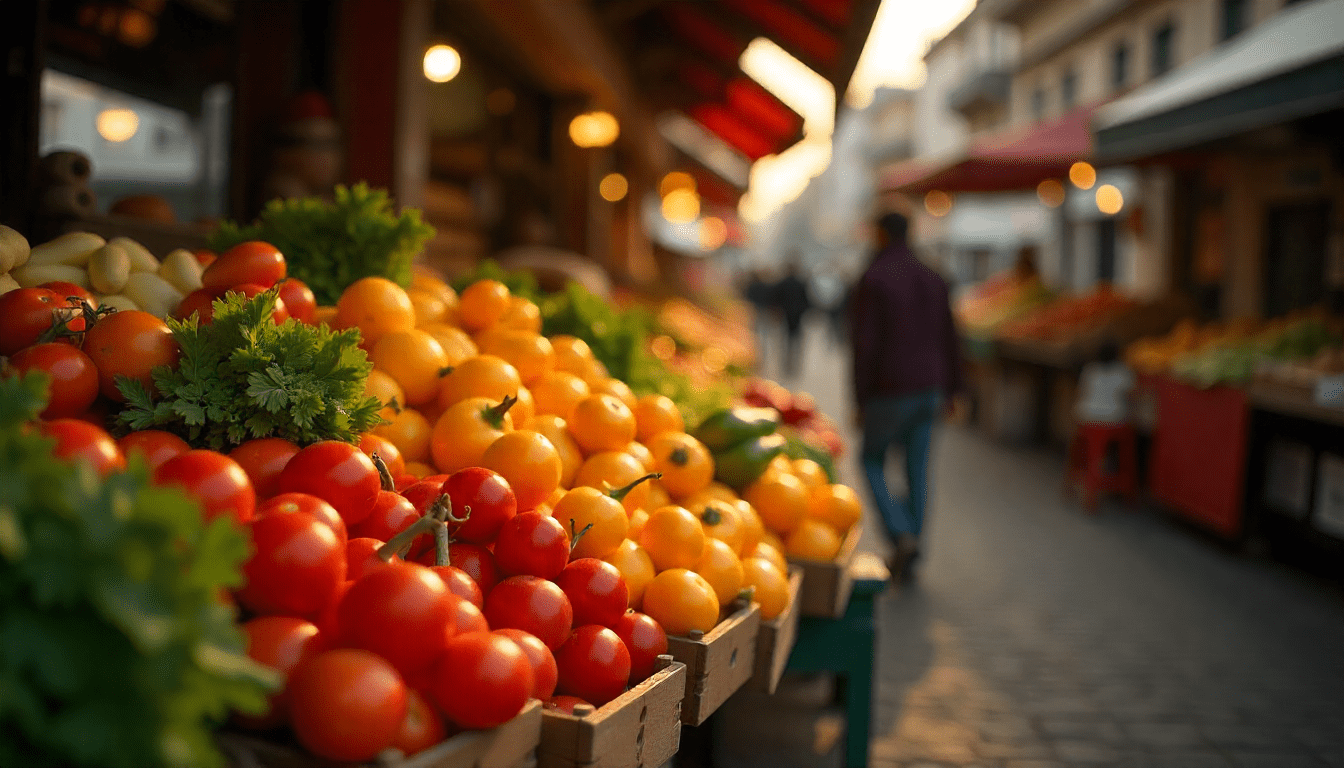
After years of globalised dining trends, 2025 is seeing a return to local flavours. Farm-to-fork has evolved into community-to-table, built around regional produce and small-scale artisans.
Consumers are rediscovering seasonal ingredients and traditional cooking methods. Farmers’ markets, local bakeries and heritage food collectives are thriving, fuelled by a desire to reconnect with authenticity.
Tech supports this shift. Apps now connect city dwellers to nearby farmers, ensuring fair prices and transparent sourcing. What once felt nostalgic is now the future of sustainable eating.
How does food affect mental wellbeing?
Food isn’t only physical fuel; it is emotional medicine. The link between diet and mental health is now a global conversation.
The rise of “mood food”, meals designed to influence serotonin, dopamine and gut health, is changing the way we approach wellbeing. Restaurants are curating menus built to boost calmness, focus or happiness through nutrient combinations.
Omega-3s, probiotics, adaptogens and fermented foods are no longer trends; they are essentials. Even the ritual of cooking is treated as therapy, a mindful act that brings peace in an overstimulated world.
In an era of anxiety and burnout, comfort food isn’t only mac and cheese. It is nourishment for the mind.
What is metaverse dining?
The metaverse has entered dining. Virtual food experiences now blend taste, storytelling and digital interaction.
Imagine dining with friends across the world while wearing AR glasses that simulate shared meals — the smell, the ambiance, the conversation — all in sync. Michelin-starred chefs are collaborating with tech artists to create immersive food journeys where flavour meets fantasy.
In Tokyo and New York, virtual restaurants are hosting digital tasting sessions, where participants experience multisensory dining through visuals, audio and scent technology.
It may never replace a real meal, but these experiments show that food is no longer confined to the table.
How is AI working with chefs?
AI isn’t replacing chefs; it is expanding their creativity. Culinary algorithms can analyse millions of recipes to suggest pairings and techniques humans might never consider.
Chefs are using generative AI tools to build entirely new cuisines, merging cultural traditions in unpredictable yet delicious ways. Think AI-designed desserts inspired by both Moroccan spices and Scandinavian simplicity.
This collaboration between human intuition and digital precision is creating a new art form, computational gastronomy. The kitchen has become a lab for imagination.
What is food intelligence?
The goal of the 2025 food movement is not only sustainability but food intelligence, an ecosystem where every step from farm to fork is optimised for both people and the planet.
That means traceable ingredients, personalised nutrition, minimal waste and maximum transparency. With blockchain technology, you can scan your produce and see the farmer, location and carbon footprint instantly.
The future of food isn’t about eating less or giving up pleasure. It is about eating smarter — with awareness, empathy and creativity.
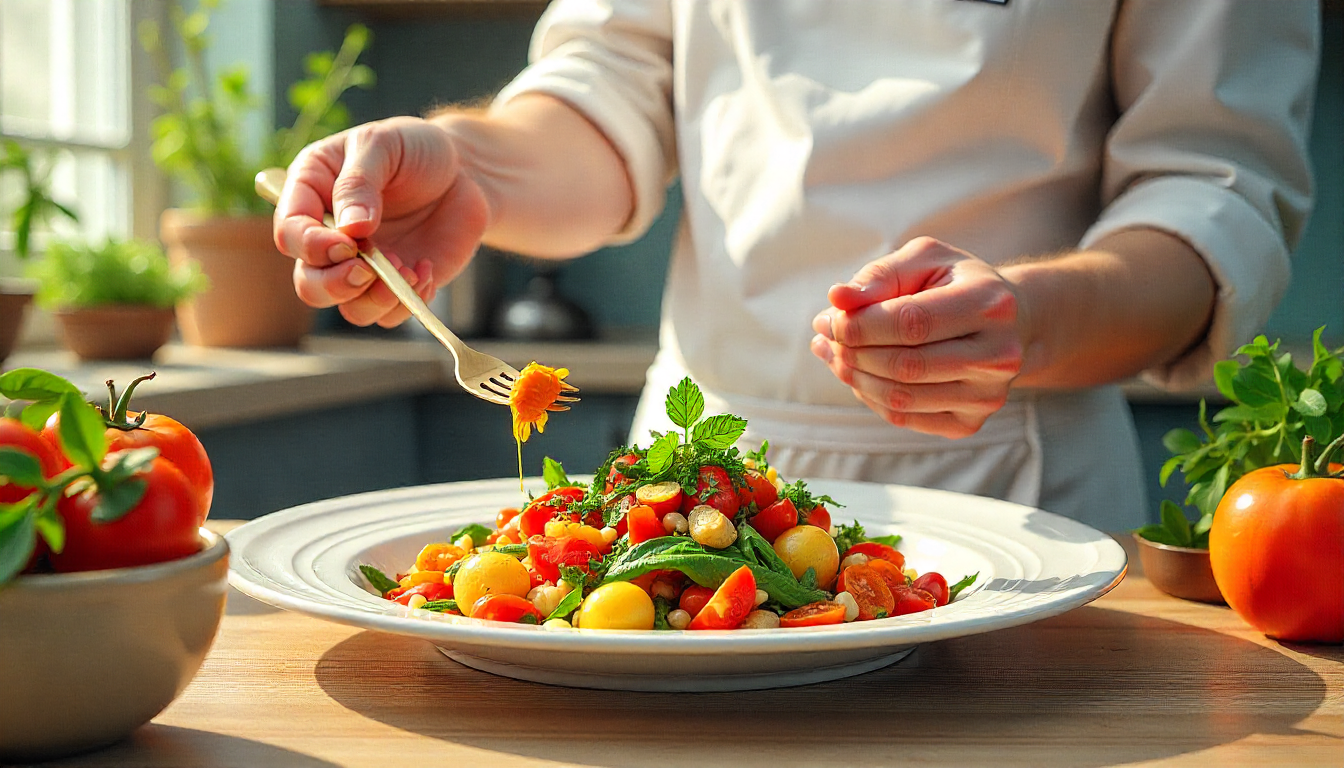
The takeaway: eating with intention
Food is no longer a product; it is a statement. Every choice, from what we eat to how it is made, is shaping the world we live in.
In 2025, eating well means more than flavour. It means joining a global movement toward balance between innovation and tradition, technology and humanity, convenience and conscience. Food is where the future meets the table.
The question isn’t what’s next on the menu. It’s what kind of world we want to taste.
FAQs about the future of food in 2025
What food trends are defining 2025?
Conscious eating, plant-based menus, lab-grown meat at chains like McDonald’s and KFC, AI-powered kitchens, vertical farming, circular dining, mood food and metaverse dining experiences.
What is computational gastronomy?
Computational gastronomy is the use of AI and algorithms to analyse large recipe datasets and suggest new ingredient pairings, techniques and cross-cultural dishes that chefs then refine in the kitchen.
How is AI used in cooking at home?
AI appliances plan meals based on health data, mood and dietary preferences. Smart fridges track expiry and order groceries. AI nutritionists like NutriAI personalise meal plans for fitness or focus.
How does blockchain help food transparency?
Blockchain lets shoppers scan produce and see the farmer, location and carbon footprint instantly, supporting traceability, fair pricing and informed buying.
What is mood food?
Mood food is meals designed around nutrients that influence serotonin, dopamine and gut health to support calmness, focus or happiness. Omega-3s, probiotics, adaptogens and fermented foods are common building blocks.