
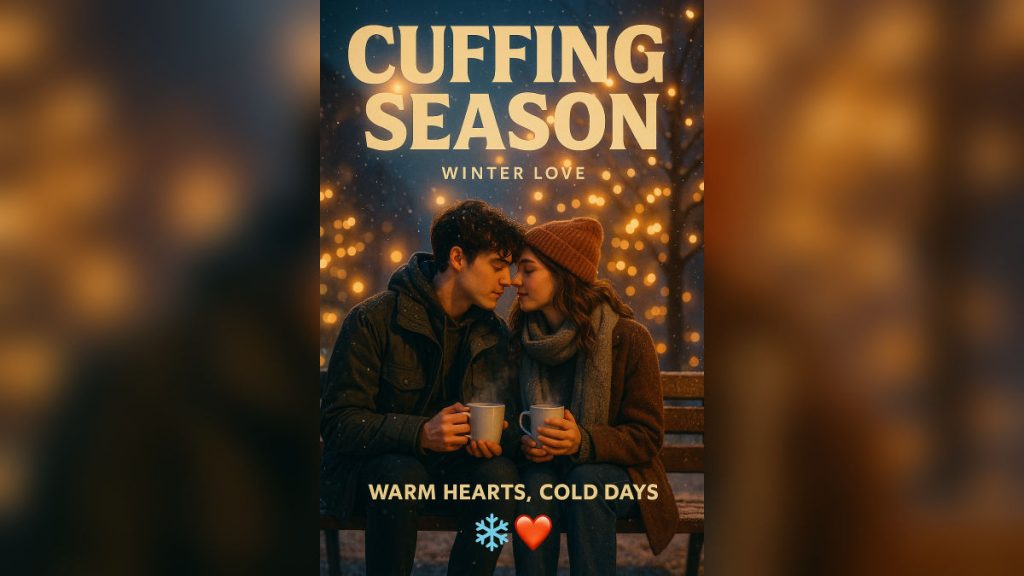
Short answer: Cuffing season is the late-autumn to Valentine’s-Day stretch when singles couple up for warmth, comfort and company through the colder months. For Gen Z, it’s shaped by dating-app fatigue, Seasonal Affective Disorder, holiday pressure, and a real craving for connection. Most flings dissolve by spring, some don’t. Honest expectations are the difference.
What is cuffing season?
As the leaves fall and temperatures drop, something curious happens in the dating landscape. Singles start hunting warmth — and not just from blankets and hot chocolate. They want romantic company too. This seasonal trend, popularly tagged “cuffing season,” describes the late-autumn-to-winter window when people feel a stronger pull to “cuff” themselves to a partner. Think of it as being metaphorically handcuffed to someone for cuddles, emotional warmth and Netflix evenings through the darker months.

And this isn’t a passing meme or a Gen Z buzzword. It mirrors deeper emotional patterns and social dynamics shaped by weather, culture and the modern dating treadmill.
Where do the roots of cuffing season come from?
Seasonal timing and emotional triggers
Cuffing season usually starts around late October or November and runs through Valentine’s Day, then dissolves as spring approaches. According to WebMD, seasonal affective disorder (SAD) can amplify loneliness and a craving for emotional closeness during winter — a stretch marked by shorter days, longer nights and a general drop in outdoor social activity.
The holidays feed it too. As people scroll past couples sharing cozy Instagram stories of matching pajamas and loud family get-togethers, the urge to couple up tightens. Nobody wants to walk into a New Year’s Eve party without someone to kiss at midnight, right?
Why is Gen Z so invested in cuffing season?
Online dating culture and digital pressure
Gen Z grew up on swipes, likes and stories. They navigate relationships in an era of unprecedented digital access. Apps like Tinder, Bumble and Hinge make instant connection easy, especially in colder months when in-person hangouts thin out.
But matching is one thing, meaningful connection is another. HerZindagi notes that Gen Z often hits a kind of social comparison fatigue online — watching peers flaunt picture-perfect relationships builds an internal pressure to “find someone,” even if just for the optics.

Craving comfort, not just commitment
For many Gen Z folks, cuffing season isn’t about finding “the one.” It’s about finding someone — someone to binge-watch Netflix with, drink hot cocoa beside, swap winter memes at 2 a.m. The pull is comfort and company, not necessarily deep romance.
Anecdotally, a friend once confessed, “I just didn’t want to be alone during Christmas break. We weren’t compatible long-term, but in the moment, having someone made the cold feel less cold.”
What kinds of relationships come out of cuffing season?
Short-term flings vs long-term love
According to Wikipedia, many cuffing season relationships fizzle out once spring blooms. Warmer weather brings outdoor socialising, fresh energy, and the slow metaphorical “thawing” of the need to stay coupled up.
That said, not all cuffing connections are doomed to dissolve. SoulMatcher reports that some relationships forged during this stretch transition into lasting partnerships, especially when both partners communicate clearly and connect beyond the seasonal pull.

Emotional risks and expectations
One real downside? Misaligned expectations. If one partner sees the relationship as temporary and the other hopes for forever, hurt is inevitable. As Healthshots cautions, the absence of clear communication can spiral into false hope, emotional dependency and heartbreak.
How do you navigate cuffing season with clarity?
1. Communicate honestly from the start
Can’t stress this enough. If you’re entering a winter relationship, name your intentions early. Are you looking for company through the season, or are you open to something longer? Transparency cuts down emotional confusion later.
2. Don’t let loneliness be your compass
Winter can make anyone feel a little isolated. But settling for someone just to avoid being alone rarely lands you anywhere fulfilling. Take a beat. Ask yourself: would I want to date this person in the spring? If the answer is no, you might be cuffing for the wrong reasons.
3. Set boundaries
Just because it’s cuffing season doesn’t mean you have to dive headfirst into intimacy or obligation. Set healthy emotional and physical boundaries — and respect your partner’s too. Mutual understanding is what turns even a short-lived thing into a positive one.
4. Focus on self-care and non-romantic connection
Sometimes what looks like a craving for a relationship is actually a craving for connection. Strengthen your bonds with friends and family. Practise self-love. Join a class or pick up a hobby that energises you. The more personal joy you build, the less you’ll lean on a partner to “fix” the winter blues.

Personal reflection: my own brush with cuffing season
A few winters ago, I found myself messaging someone I’d only mildly clicked with on a dating app. Our conversations were light, sprinkled with emojis and late-night memes, but lacked depth. Still, as December rolled around, we began seeing each other more often.
I realised later that what we shared was more about routine than romance. We craved company, not connection. Or rather, we craved company more than connection. When spring came, we drifted apart — without animosity, with a quiet acknowledgment that the bond had served its seasonal purpose.
It taught me the importance of intention. Of not mistaking warmth for love, and loneliness for compatibility.
A season, not a sentence
Cuffing season isn’t inherently good or bad. It’s a reflection of a very human craving — warmth, connection, shared experience through the colder, quieter months. For Gen Z, it’s an especially layered experience, shaped by digital culture, social pressure and shifting relationship norms.
But like any relationship, fleeting or forever, the keys are honesty, emotional maturity and self-awareness. If you’re entering cuffing season, do it with clarity — not just about what you want from another person, but about what you actually need for yourself.

So whether you’re cozied up with someone or riding solo this winter, remember: you deserve a connection that warms your soul, not just your feet.
FAQs about cuffing season
When does cuffing season start and end?
Cuffing season typically starts around late October or November and runs through Valentine’s Day in mid-February, then dissolves as spring brings warmer weather and outdoor social life back into rotation.
Is cuffing season a real psychological phenomenon?
It’s tied to real patterns. According to WebMD, seasonal affective disorder (SAD) can ramp up loneliness and the desire for emotional closeness in winter. Holiday pressure and social media comparison amplify the urge to couple up further.
Do cuffing season relationships ever last?
Some do. Most don’t. Wikipedia notes that many cuffing relationships fizzle out by spring. SoulMatcher reports a small share transition into lasting partnerships, usually when both partners communicate clearly and connect beyond the seasonal need.
How can I avoid getting hurt during cuffing season?
Four moves help. State your intentions early, don’t let loneliness drive your choice of partner, set clear emotional and physical boundaries, and invest in friendships and hobbies so a romantic partner isn’t carrying all the weight of your winter.
Why is Gen Z particularly invested in cuffing season?
Three reasons. The first generation raised on dating apps has unprecedented access to instant matches. Social comparison fatigue from peers’ perfect-looking relationships fuels pressure. And the shift toward valuing comfort over commitment makes a low-stakes seasonal pairing especially appealing.