
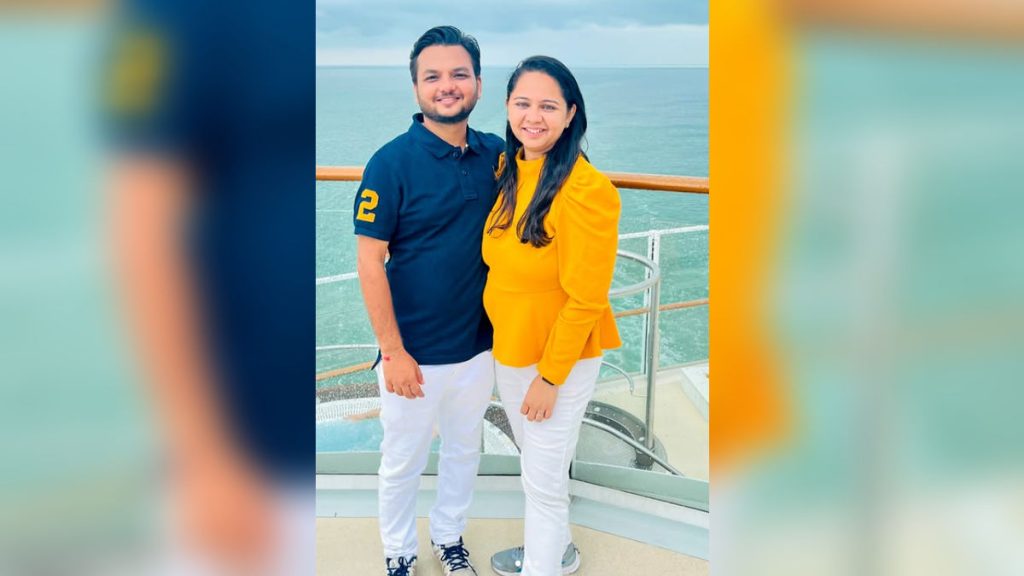
Short answer: Charvi and Jaymine Shah are the husband-wife creators behind @lovewithtravel, an Instagram travel brand with over 158,000 followers. They turned a 2006 Bali honeymoon into a multi-platform storytelling business spanning Instagram, YouTube and lovewithtravel.com, and they’ve become a go-to for tourism boards, lifestyle brands and fintech alike.
Travellers don’t reach for guidebooks anymore. They reach for Instagram. And in that messy, scroll-driven shift, a small set of creators have come to matter more than glossy travel magazines ever did. Charvi and Jaymine Shah are two of them. Their handle, @lovewithtravel, has grown from a personal blog into a brand that marketers actually pay attention to, which is rare in a market this crowded.
This piece looks at how they got there, what their content actually does well, and where their influence overlaps with brand opportunity, especially for anyone trying to reach travel-hungry millennials and Gen Z.
How did a 2006 honeymoon turn into Love With Travel?

The story starts in Bali. 2006. Charvi and Jaymine were on their honeymoon, and what should have been a private memory became the seed of something much bigger, a shared travel habit they wanted to document and share online.
The decision to launch lovewithtravel.com was part instinct, part calculation. Instinct because they genuinely loved the chronicling. Calculation because both came from digital marketing and social media management backgrounds, so they knew how to build an audience without learning on the job. Over time, the blog stretched into Instagram, then YouTube, and then partnerships with global brands. It compounded the way good side projects sometimes do, slowly and then all at once.
Today they’re not just travellers. They’re digital nomads, writers and entrepreneurs who’ve carved out a distinct corner of India’s brutally competitive influencer economy. Which, honestly, is harder than it sounds.
What makes their content actually work?

Authenticity. That’s the short version. Most travel influencers churn out the same five-day itineraries and call it content. Charvi and Jaymine don’t. They focus on personalised storytelling, the kind that feels written by a friend who’s been there.
Instead of dictating fixed travel plans, they hand the wheel back to the follower. Practical tips, honest reviews, the small anecdote about the cab driver in Ubud, that’s the texture. Charvi has said in an interview that their unique selling proposition lies in the genuineness of their voice. Followers stick around because the couple shares experiences as they actually unfold, the good, the unexpected, the occasionally chaotic.
Scroll their feed. You’ll find more than pretty landscapes. Captions are reflective, the cultural observations specific (a quirk about Balinese offerings, a note on Thai street-food etiquette), and the behind-the-scenes commentary feels like advice from a friend rather than a sales pitch. Here’s the thing: that tone is harder to fake than people think.
And rather than just posting the postcard shot of a Maldives beach or a Thai night market, they’ll talk about the hidden cafe down the alley, the local custom that surprised them, or a budget hack that saved them a few thousand rupees. Subtle, yes. But it’s exactly that kind of detail that turns followers into a community, the kind that sees them less as influencers and more as travel companions.
Where else do they show up beyond Instagram?
Instagram is the loudest channel, with over 158,000 followers. But the Shahs spread their bets across platforms.
- YouTube: Their travel vlogs give a more immersive feel, the rhythm of a new city, the calm of a quiet island. Long-form lets them do what reels can’t.
- Blog (lovewithtravel.com): The anchor. Detailed storytelling lives here, which means their brand isn’t entirely at the mercy of whatever Instagram changes next week.
- Instagram: The community hub. Aesthetics meet relatability, and engagement runs hottest here.
Together these three create a 360-degree storytelling ecosystem, which is the kind of phrase brand managers love and which, in this case, actually means something. Multi-platform visibility, consistent voice across them, no single point of failure.
Why should marketers care?

With 158K+ followers, the Shahs sit in the macro-influencer bracket, big enough to feel aspirational, small enough to still feel reachable. For marketers, that’s the sweet spot.
Their public engagement numbers aren’t quantified, fair enough, but the lively comment sections and steady back-and-forth point to a community that’s actually invested. And in the influencer economy, community quality often weighs more than raw follower count. Always has.
Their audience is travel-centric, which is a niche that’s catnip for industries from tourism boards to fashion houses to credit card companies. The fact that their storytelling weaves in lifestyle, food, fashion and even fintech adjacent stuff (think: travel insurance, foreign exchange) makes them unusually versatile collaborators.
What kinds of brand collaborations actually fit?

The Shahs’ influence isn’t boxed into travel. Their aspirational lifestyle, entrepreneurial bent, and authentic audience connection open doors across categories. Here’s where brands can plug in.
1. Destination marketing
Tourism boards, hotels and local experience operators can use their storytelling to reach Indian travellers chasing both mainstream and offbeat trips. Picture Charvi and Jaymine showcasing eco-resorts in Bali, or hidden trails in Himachal Pradesh. The visual impact alone could trigger thousands of bookings.
2. Travel products and services
Airlines, luggage brands, booking platforms, all of these benefit from subtle product placements rather than hard-sell ads. Their followers trust the recommendation, which makes endorsements more persuasive than traditional advertising ever was.
3. Lifestyle and apparel
Fashion and beauty brands can ride that aspirational-but-relatable persona. Sponsored content around travel-friendly skincare or versatile vacation outfits blends naturally with the existing brand identity. No awkward pivot.
4. Financial services
Credit card companies, fintech apps, travel insurance providers can reach consumers right when they’re in the planning stage, when payment safety and forex rates are top of mind. That’s powerful timing, the kind of intent window banks pay good money for.
What’s their secret sauce, really?

Personalisation. @lovewithtravel doesn’t just say “here’s what we did.” They actively encourage followers to build journeys that match their own preferences.
So instead of a rigid 5-day Bali itinerary, they might surface options like:
- “If you love adventure sports, try parasailing here.”
- “For foodies, this hidden warung is a must-visit.”
- “Couples looking for quiet moments should head to this less-crowded beach.”
That flexibility makes their content inclusive and adaptable. It works for the budget backpacker, it works for the luxury traveller (or rather, anyone in between), and it works for honeymooners. Which is most of their target demographic.
What’s next for Love With Travel?
Back in 2019, Charvi hinted at expanding scope, exploring new destinations, collaborating with major brands, growing the community further. Given how the Indian travel-influencer market has trended since, those goals aren’t just realistic. They’re more or less inevitable.
The couple’s ability to balance professional marketing skill with authentic storytelling positions them well for sustained growth. With travel rebounding post-pandemic, the runway is wide, branded merch, exclusive partnerships, curated travel groups. You can imagine them leading small-group trips, running workshops on content creation, or even writing a book that mixes practical tips with the kind of romantic storytelling that built their feed in the first place.
The bigger point about travel as connection

At its core, Love With Travel isn’t about destinations. It’s about connection. Between two people on a journey. Between storytellers and audience. And between brands and consumers, when the narrative is honest enough to land.
Charvi and Jaymine’s run proves a quiet point: influencer marketing has stopped being about glossy perfection. It’s about being real, relatable, resonant. For marketers, the takeaway is simple, the best collaborations happen when passion meets strategy, not when one is faked to look like the other.
So the next time you scroll past a stunning beach photo with a heartfelt caption, pause. It’s more than a post. It’s an invitation to explore, to connect, to trust. That’s the real power of storytelling in the digital age.
FAQs about Charvi and Jaymine Shah
Who are Charvi and Jaymine Shah?
Charvi and Jaymine Shah are an Indian husband-wife travel content duo behind the Instagram handle @lovewithtravel and the website lovewithtravel.com. Both come from digital marketing and social media management backgrounds, which has helped them grow from personal bloggers into a recognised travel brand.
How many followers does @lovewithtravel have?
Their Instagram handle @lovewithtravel has more than 158,000 followers, placing them in the macro-influencer category. Their reach also extends across YouTube vlogs and the blog at lovewithtravel.com.
How did Love With Travel get started?
The brand grew out of Charvi and Jaymine’s honeymoon to Bali in 2006. What began as a personal travel diary turned into the lovewithtravel.com blog, then expanded into Instagram and YouTube, eventually becoming a multi-platform storytelling brand.
Which industries collaborate with Charvi and Jaymine Shah?
Their travel-centric audience makes them a fit for tourism boards, hotels, airlines, luggage brands, fashion and beauty labels, plus financial services like credit cards, fintech apps and travel insurance providers. Their aspirational-but-approachable tone works across these categories.
What makes their content different from other travel influencers?
Rather than fixed itineraries, they share personalised, anecdote-driven content that helps followers build their own trips. Honest reviews, hidden-cafe recommendations, and budget hacks make their feed feel like advice from a friend instead of a sales pitch.