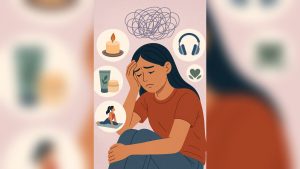

Short answer: Friendship breakups often hurt more than romantic ones, especially for Gen-Z women who build identity through closeness and constant digital connection. Healing takes a 2-minute pause, a social-media clean-up, an unsent letter, naming the hurt, one grounded conversation, a closure ritual, and time. A 30-day plan helps you find your footing.
(The kind of heartbreak no one talks about, but everyone’s felt.)
It’s 2 a.m. Your phone lights up, but it’s the same old memes in the group chat. Someone’s muted you. Someone else leaves you on “seen.” The friend who once knew every version of you doesn’t even like your posts anymore. It’s quiet, not dramatic. And it hurts.
A friendship breakup can sting more than a romantic one, especially for Gen-Z women who build their identities through closeness, constant check-ins, and digital connection. So why does it hurt this much, and what does healing look like in real life?
Why do friendship breakups hurt so deeply?
Friendship is identity. Your routines, humor, and sense of safety are tied to your people. Losing them feels like losing a piece of yourself.
Social media makes it messy. “Unfollows,” “mutes,” and “ghosting” don’t offer closure. They offer confusion.
Gen-Z friendships are emotionally dense. Voice notes, playlists, memes, late-night calls. All of it creates deep emotional currency. When it stops, the silence feels loud.

What are the common patterns in friendship breakups today?
Slow fade / ghosting: No big fight. Just less and less presence.
Life transitions: College, new jobs, relationships, city moves. Priorities shift.
Social-media tension: Comparison or passive-aggressive posts trigger cracks.
Emotional labor imbalance: When one person keeps giving and the other keeps taking, it snaps.
What does a friendship breakup feel like?
Shock / Denial: “How did this even happen?”
Overthinking / Confusion: “Did I do something wrong?”
Anger / Humiliation: That sting of rejection.
Grief / Sadness: Mourning both the person and the future you imagined.
Redefinition: Rebuilding your identity without them.
It’s not linear. One day you’re angry, the next you’re numb. That’s normal.

How do you recover from a friendship breakup?
1. The 2-minute pause: When you feel overwhelmed, breathe 4-4-4. Inhale 4s, hold 4s, exhale 4s. It grounds you.
2. Social-media clean-up: Mute, unfollow, or archive. Not out of drama, but for peace.
3. The unsent letter: Write everything you wish you could say, and don’t send it. It clears your emotional fog.
4. Name the hurt: “I feel abandoned.” “I feel replaced.” Labeling emotions weakens their intensity.
5. Talk to one grounded person: Not someone who’ll gossip or dramatize. Someone who’ll reality-check you.
6. Closure ritual: Visit the cafe you both loved. Write a note. Play a shared song one last time. Small rituals help the brain mark endings.
7. Don’t rush into rebound friendships: New friends are healthy. Make sure you’re not using them to escape old pain.
8. Therapy is valid: If your sleep, focus, or appetite are affected, professional help is strength, not weakness.

What if you’re the one ending it?
Be clear, not cruel. “I think we’ve grown in different directions, and that’s okay.”
Don’t ghost unless it’s about safety.
Define boundaries for what contact looks like next, especially online.
What if you’ve been left behind?
Stop hunting for “why.” Sometimes the answer is mismatch, not malice.
Don’t minimize it. Friendship breakups are real grief.
Reclaim your routines. Rebuild rituals that were once shared.
A 30-day healing map
Days 1-3: Mute, write, breathe.
Week 1: Talk to one safe person. Treat yourself to something small.
Weeks 2-3: Start a new micro-ritual. A walk, a playlist, a solo coffee.
By Day 30: Reflect on what you learned about your needs, your boundaries, and your worth.

Shareable lines
“Losing a friend hurts like grieving a future you built together.”
“Muting isn’t petty, it’s peace.”
“Closure doesn’t need a reply. It can be a ritual.”
Final truth
Friendship breakups are real heartbreaks. They shake your sense of belonging, rewrite your habits, and leave a silence that echoes. But they are also information, about who you are, what you need, and how you love.
Be the friend to yourself that you wished they were at the end. Honest, gentle, and steady.
FAQs about friendship breakups
Why does a friendship breakup hurt more than a romantic one?
Friendships shape your daily routines, sense of humor, and sense of safety. For Gen-Z women especially, identity is built through constant connection, so losing a close friend feels like losing a piece of yourself, with no clear script for grieving.
Is it normal to cry over a lost friendship?
Yes. Friendship breakups are real grief. Shock, overthinking, anger, and sadness are all normal stages. One day you may feel numb and the next furious. Grieving a friend is as valid as grieving a partner.
How long does it take to get over a friendship breakup?
Many people feel steadier in around 30 days if they mute triggers in week one, talk to one grounded person, and start a new micro-ritual in weeks 2-3. Deeper healing can take months, and that’s okay.
Should I reach out to the friend who ghosted me?
Stop hunting for “why.” Sometimes the answer is mismatch, not malice. Write an unsent letter to process your feelings instead of chasing a reply. Closure does not need a response from them.
When should I see a therapist after a friendship breakup?
If your sleep, focus, or appetite are affected, or the sadness lingers past a few weeks, professional help is strength, not weakness. A therapist can help with boundary practice and reframing old friendship patterns.