
Short answer: Confidence is not loud, flawless, or constant. You build it one small choice at a time by unlearning comparison, showing up when afraid, and choosing yourself even when no one claps. Real confidence grows quietly from self-respect, not applause.
There is a moment in every self-growth journey that feels strangely disorienting: you realize confidence is not something you suddenly have. It is something you slowly build. Not through praise. Not through perfection. Through learning how to exist with your own doubt without letting it control you.
Confidence, contrary to how it is portrayed, is not loud. It is not flawless. It is not constant. It is not a switch you flip on a good day.
Real confidence is fragile at first, unsteady, quiet, developing like a newly grown voice learning its own shape. You do not wake up one day suddenly believing in yourself. You wake up and decide, one small choice at a time, not to abandon yourself.
Why does comparison quietly chip away at confidence?
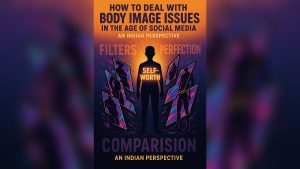
We live in a world where everyone is visible. Their success. Their progress. Their confidence. Their good angles. Their best days.
Even when we logically understand that comparison is unfair, the emotional reaction still lingers: “Why can’t I be as sure of myself as they seem to be?”
Here is the truth no one posts. Everyone doubts themselves. Everyone questions their worth. Everyone has days where they feel like an unfinished version of who they want to become.
Confidence is not the absence of comparison. It is recognising comparison and choosing identity over imitation.

Where does low confidence often come from?
Sometimes lack of confidence is not self-created. It is learned.
Maybe you grew up being told to shrink. Maybe every mistake was magnified. Maybe praise was rare and criticism was routine. Maybe you learned that being yourself was risky.
So you adapted, becoming quieter, more careful, more calculating. Not because you lacked potential, but because somewhere along the way, someone convinced you that you were “too much” or “not enough.”
Confidence often begins with unlearning. Unlearning guilt. Unlearning doubt. Unlearning the belief that being small is safer than being seen.
Why does building confidence feel so awkward?
No one talks enough about how uncomfortable growth is. Confidence builds slowly through:
- Saying what you actually think
- Showing up even when you’re afraid
- Trying again after failing
- Holding boundaries
- Choosing yourself even when others don’t
This phase feels messy. You will speak up and later overthink it. You will try something new and feel exposed. You will celebrate progress that no one else notices.
But this awkward middle is where confidence takes shape. Not in perfection. In effort.

How do you stay confident when no one validates you?
There will be moments, days, months, sometimes years, where no one claps. Where no one compliments your growth. Where your effort is invisible.
And in these moments, you will face the hardest question: Can I still believe in myself even when no one else acknowledges it?
Confidence built from external approval is fragile. Confidence built from self-respect is unbreakable.
What changes when confidence finally settles in?
Over time, with practice (not luck) something shifts. You stop apologising for existing. You stop shrinking in conversations. You stop choosing convenience over authenticity. You stop fearing being misunderstood.
You begin choosing yourself. Gently. Consistently. Unapologetically. Not because you think you are perfect, but because you finally understand you do not need to be.

What does real confidence actually look like?
Eventually, you learn that confidence is not being fearless, being loud, or being flawless.
Confidence is showing up anyway. Speaking even when your voice shakes. Choosing what feels right instead of what feels safe. Trusting that who you are becoming is worth the discomfort it takes to get there.
Confidence does not make life easier. It makes life truer.
Becoming someone you are proud of
One day, maybe sooner than you think, you will look back and realise you no longer tolerate what drains you. You no longer chase validation. You no longer fear being seen.
Not because you woke up confident, but because you kept going on the days you weren’t. That is where real confidence grows: in the quiet decision to believe in the person you are still becoming.
FAQs about building confidence
How long does it take to build real confidence?
There is no fixed timeline. Confidence builds through repeated small choices, speaking up, holding boundaries, trying again, so the more consistently you practise, the faster it settles. Most people notice real shifts over months, not days.
Is confidence natural or learned?
Mostly learned. A few people grow up in environments that protect their self-belief, but for most of us, confidence is built through unlearning old criticism and practising self-trust in small, uncomfortable moments.
How do I stop comparing myself to others on social media?
Remember that feeds show highlight reels, not full lives. Limit who you follow to accounts that do not make you feel behind, and notice your emotional reaction when you scroll. Awareness is the first step out of the spiral.
What is the difference between confidence and arrogance?
Confidence is inward, rooted in self-respect. Arrogance is outward, rooted in comparison and needing to feel above others. Confident people do not need to prove anything.
Can you fake confidence until you feel it?
To a point. Acting confident in small moments (posture, tone, showing up) can teach your nervous system that you are safe. But long-term confidence still needs the inner work of unlearning self-doubt.