
Short answer: Crocs cracked India’s Gen Z code by pairing comfort with identity. Jibbitz customisation, relatable stars like Siddhant Chaturvedi and Rashmika Mandanna, accessible pricing, and meme-friendly self-awareness turned a mocked “ugly shoe” into a youth cultural symbol.
There was a time when wearing Crocs invited jokes. Today, it invites engagement.
Scroll through Instagram and you’ll find Crocs in GRWM reels, campus OOTDs, airport looks, monsoon dance videos, and festive styling experiments. What changed? And what can marketers learn from it?
The rise of Crocs in India isn’t a fashion comeback story alone. It’s a case study in cultural timing, influencer alignment, self-expression, and youth psychology. Let’s unpack how a once “ugly shoe” became a Gen Z badge of identity.
Why did comfort become the new cool for Indian Gen Z?
Indian Gen Z grew up in two worlds. One, where parents dressed up for weddings in uncomfortable formals. Another, where hoodies became boardroom acceptable.
This generation does not believe in suffering for style. They commute in crowded metros. They attend college festivals that last 12 hours. They work from cafés. They travel spontaneously. Practicality matters.
Crocs’ lightweight, breathable, waterproof design fits into Indian life, especially during monsoons. It’s fashion that survives puddles. The deeper insight: comfort is no longer laziness. It’s confidence.
In my own observation across Delhi University campuses last year, I noticed students pairing oversized shirts, cargos, and brightly customised Crocs. They didn’t look underdressed. They looked intentional. Relaxed. Assured. That psychological shift is powerful.
How did Jibbitz turn Crocs into identity currency?
Gen Z does not want uniformity. They curate playlists. They design digital avatars. They personalise phone covers. So when Crocs introduced Jibbitz charms in India at scale, it tapped into something primal — the need to signal identity.
Zodiac signs. Anime references. Desi motifs. Inside jokes. Shoes became storytelling tools.
From a marketing lens, this is genius. Instead of pushing a single aesthetic, Crocs hands the aesthetic over to the consumer. That’s not product marketing. That’s participatory branding.
How did Crocs pick the right celebrities for India?
Crocs’ India playbook didn’t rely on glossy, unreachable luxury positioning. Instead, it aligned with personalities that mirror Gen Z values.
The Siddhant Chaturvedi effect
When Siddhant Chaturvedi became associated with Crocs campaigns in India, the energy shifted. Siddhant isn’t a legacy superstar. He represents:
- Hustle over inheritance
- Urban relatability
- Street-smart ambition
- “I made it” authenticity
In a monsoon-themed Crocs campaign that quietly went viral, he wasn’t styled like a red-carpet idol. He looked effortless. Approachable. Playful.
For Gen Z men especially, this matters. The messaging subtly communicated: cool doesn’t need discomfort. Style doesn’t need stiffness. Aspirational works best when it feels achievable.
Rashmika Mandanna and youthful global energy
Crocs strengthened its youth positioning by appointing Rashmika Mandanna as a global ambassador from India, launching the “Your Crocs. Your Story.  Your World.” campaign (reported by The Financial Express).
Rashmika carries pan-India appeal, crossing linguistic and regional barriers. She resonates strongly with Gen Z for her playful personality and accessible charm. Her association reinforced Crocs’ storytelling narrative: your style is your narrative. That’s exactly how Gen Z sees fashion — as autobiography.
Influencer layering that feels native
Before the bigger celebrity waves, Crocs collaborated with younger digital names like Vedang Raina and Rasha Thadani as part of its youth-focused push.
 Then came culturally rooted campaigns like “Splash Your Style,” featuring dancers such as Shantanu Maheshwari and Ruhee Dosani.
Notice the pattern. Crocs doesn’t bet on a single face. It builds a network of relevance — actors, dancers, influencers — each speaking to a slightly different Gen Z tribe. That layered ecosystem approach is something many brands miss.
How did Crocs turn mockery into an ironic icon?
Gen Z loves reclaiming what was mocked. Dad sneakers. Cargo pants. Y2K aesthetics. Crocs fits into this “ironic revival” culture. What was once laughed at became iconic precisely because it refused to change.
That self-awareness resonates in meme culture. Crocs leaned into humour instead of fighting it. In marketing psychology, this is known as owning your narrative. When brands laugh with the audience instead of defending themselves, they win trust.
Why does accessibility matter for Crocs in India?
Unlike global sneaker brands that price out college students, Crocs sits in a relatively accessible bracket. Available widely through retail stores and platforms like Myntra, the brand is aspirational yet attainable. This is crucial in India’s middle-class-heavy consumer ecosystem.
Gen Z doesn’t reject aspiration. They reject exclusion. Crocs feels inclusive. You don’t need to be elite to participate. That positioning builds volume and loyalty simultaneously.
How did social media turn Crocs into a cultural staple?
Crocs are visually distinctive. Bold colours. Chunky silhouettes. Visible charms.  On platforms driven by visuals, that works.
From campus vloggers to fashion micro-creators, Crocs became content-friendly footwear. It’s noticeable in thumbnails. Recognisable in reels. Distinct in flat-lay shots. More importantly, it fits into “real-life content” rather than curated glamour. Gen Z prefers lived-in authenticity over magazine polish.
What can marketers learn from the Crocs India story?
Crocs didn’t win because it reinvented footwear technology. 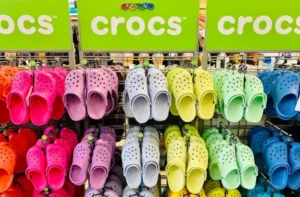 It won because it understood:
- Comfort is a status signal now.
- Customisation drives emotional ownership.
- Relatable celebrities outperform distant icons.
- Irony is not a weakness — it’s currency.
- Accessibility scales culture faster than exclusivity.
For marketers targeting Gen Z in India, this offers a blueprint. Don’t over-polish your product. Invite participation. Lean into humour. Build multi-layered influencer ecosystems. Stay culturally adaptive.
What does Gen Z actually want from a brand like Crocs?
I remember speaking to a 19-year-old college student in Mumbai who said something striking: “Crocs aren’t stylish. They’re mine.”
That single word — mine — captures the entire brand transformation. Ownership.
Gen Z doesn’t want to wear what everyone approves of. They want to wear what represents them. And Crocs handed them the mic.
Why Crocs in India was never really about the shoe
The Crocs story in India is not about clogs. It’s about cultural literacy. It’s about recognising that Gen Z doesn’t just consume. They curate. They remix. They personalise. They participate.
Brands that understand this don’t chase trends. They co-create them. The next big youth movement won’t look traditionally “cool.” It will look authentic. Playful. Comfortable. And unapologetically individual. Just like Crocs.
FAQs about Crocs and Gen Z in India
Why are Crocs so popular with Indian Gen Z?
Crocs combine comfort, visible customisation through Jibbitz, accessible pricing, and relatable celebrity endorsements. For Gen Z, they function as an identity signal rather than a conventional fashion statement.
Who are Crocs’ celebrity ambassadors in India?
Crocs has worked with Siddhant Chaturvedi and appointed Rashmika Mandanna as a global ambassador from India. The brand has also collaborated with younger names like Vedang Raina, Rasha Thadani, Shantanu Maheshwari, and Ruhee Dosani.
What are Jibbitz and why do they matter for Crocs?
Jibbitz are charms that clip into the holes of Crocs clogs. They let wearers personalise their shoes with zodiac signs, anime references, desi motifs, or inside jokes — turning footwear into a form of self-expression.
Where can you buy Crocs in India?
Crocs are widely available through dedicated retail stores and online platforms like Myntra. Their relatively accessible price point makes them popular with college students and middle-class Gen Z shoppers.
What can Indian marketers learn from Crocs’ Gen Z strategy?
Prioritise participation over polish, use layered influencer ecosystems rather than a single face, embrace humour and self-awareness, and keep pricing inclusive. Comfort, customisation, and cultural relevance beat exclusivity for Gen Z.