
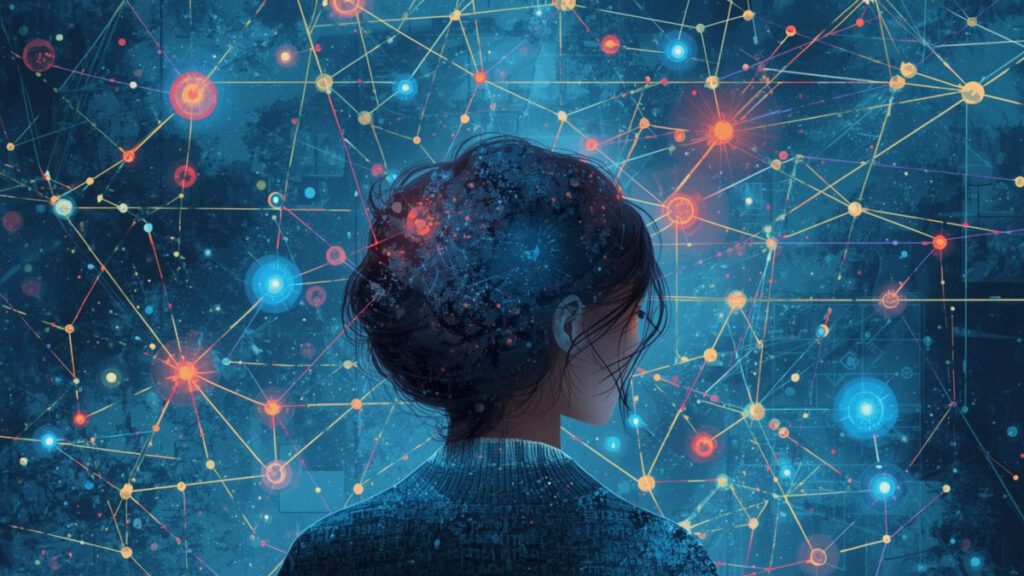
Short answer: Gen Z is rewriting mental health care. 42% have attended therapy, 60% prefer telehealth, and 78% say they feel addicted to their phones. Instead of ignoring the strain, this generation is investing in therapy, mindfulness, and work-life balance.
Generation Z, those born between 1997 and 2012, is facing an unprecedented mental health crisis. Recent studies suggest nearly half of Gen Z has been diagnosed with a mental health condition, with anxiety, depression, and ADHD leading the list. At the same time, a clear movement is pushing to redefine what self-care and well-being look like.
How does social media cut both ways for Gen Z?

Gen Z’s relationship with technology is complicated. TikTok, Instagram, and YouTube open up connection and self-expression, but they also feed a lot of the mental health strain. Studies show that using social media for more than three hours a day is linked to higher anxiety and depression. Curated feeds push unrealistic comparisons and a distorted sense of reality.
Maintaining an idealised online persona adds its own pressure, often ending in burnout and identity wobbles. A survey by Harmony Healthcare IT found that 78% of Gen Z feels addicted to their phones or social media.
How is Gen Z redefining self-care?
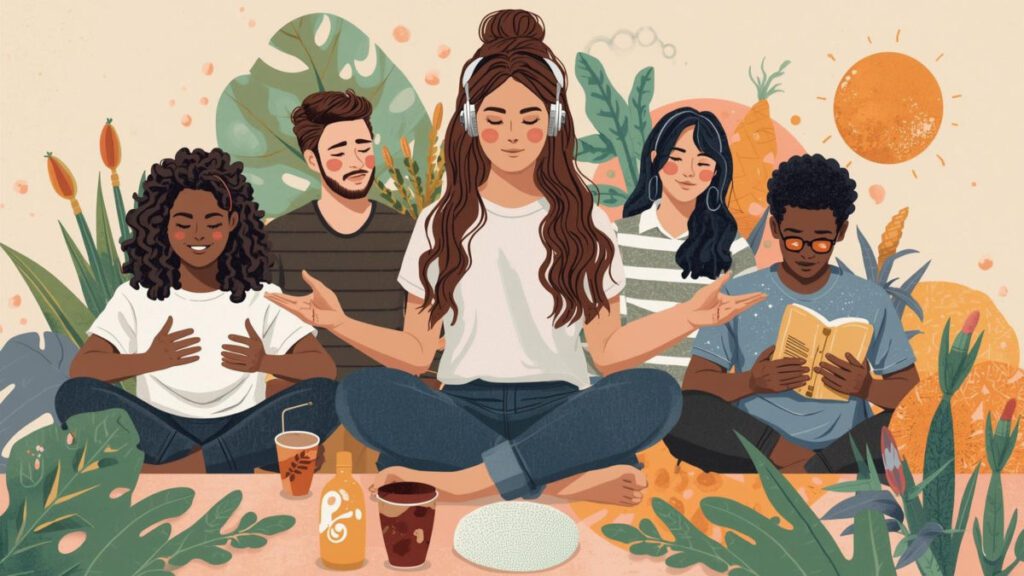
Self-care has moved past bubble baths and face masks. For Gen Z it is a holistic practice that covers mental, emotional, and physical well-being. Research by Pion shows popular self-care habits in this group include creative hobbies, quality time with loved ones, and sleep as a priority.
There is also a visible shift toward mindfulness and emotional resilience. Meditation, journalling, and digital detoxes are regular tools for managing stress and anxiety. A McKinsey report notes that Gen Z is outspending older generations on wellness products, including mindfulness apps and therapy sessions.
How is therapy shifting from stigma to strategy?

Therapy used to carry heavy stigma. Gen Z is breaking that pattern. A study by Harmony Healthcare IT shows 42% of Gen Z has attended therapy, a sharp increase on earlier generations. That openness extends to self-help resources like podcasts, books, and online communities.
Virtual care is a big part of the shift, with 60% of Gen Z preferring telehealth services over in-person visits. That preference makes mental health care more accessible and lines up with their comfort on digital platforms.
Why is Gen Z so lonely despite being online?

Gen Z is the most digitally connected generation, yet reports higher loneliness than older age groups. A survey by McVitie’s and Mind found that one-third of Gen Z feels they do not get enough regular human interaction, and 37% often feel lonely. The numbers point to the limits of online connection and the value of face-to-face relationships.
How is Gen Z reshaping work for better mental health?

Gen Z’s approach to work is also evolving. A large share of this generation is turning away from the traditional 40-hour week in favour of roles with flexibility and mental well-being at the centre. According to Harmony Healthcare IT, 57% of Gen Z believes the standard workweek is detrimental to mental health. Many are choosing careers that match their values and allow better work-life balance.
A generation in transformation
Gen Z sits at the front of a mental health revolution. The challenges are serious, but so is the response: proactive self-care, open therapy use, and a push for systemic change. By accepting vulnerability and pushing for well-being, Gen Z is not only rewriting the mental health narrative, but also shaping a more compassionate society.
FAQs on Gen Z mental health
What percentage of Gen Z has attended therapy?
According to Harmony Healthcare IT, 42% of Gen Z has attended therapy — a notable jump from earlier generations.
How does social media affect Gen Z mental health?
More than three hours of social media a day is linked with higher anxiety and depression. 78% of Gen Z also say they feel addicted to their phones or social media.
Does Gen Z prefer online or in-person therapy?
About 60% of Gen Z prefers telehealth services over in-person visits, lining up with their comfort on digital platforms.
Why is Gen Z lonelier than older generations?
Despite being highly connected online, one-third of Gen Z feels they lack enough regular human interaction and 37% often feel lonely, according to research by McVitie’s and Mind.
How is Gen Z changing the workplace?
57% of Gen Z believes the standard 40-hour workweek is bad for mental health. They are picking roles that offer flexibility, purpose, and better work-life balance.