Short answer: Being chronically online means existing inside internet culture so deeply it shapes your worldview, language and identity. For Gen Z, it’s the default setting. A 2023 Pew Research study found over 58% feel anxious or stressed from their online habits, but with mindful boundaries, the same internet can fuel community, learning and creativity.
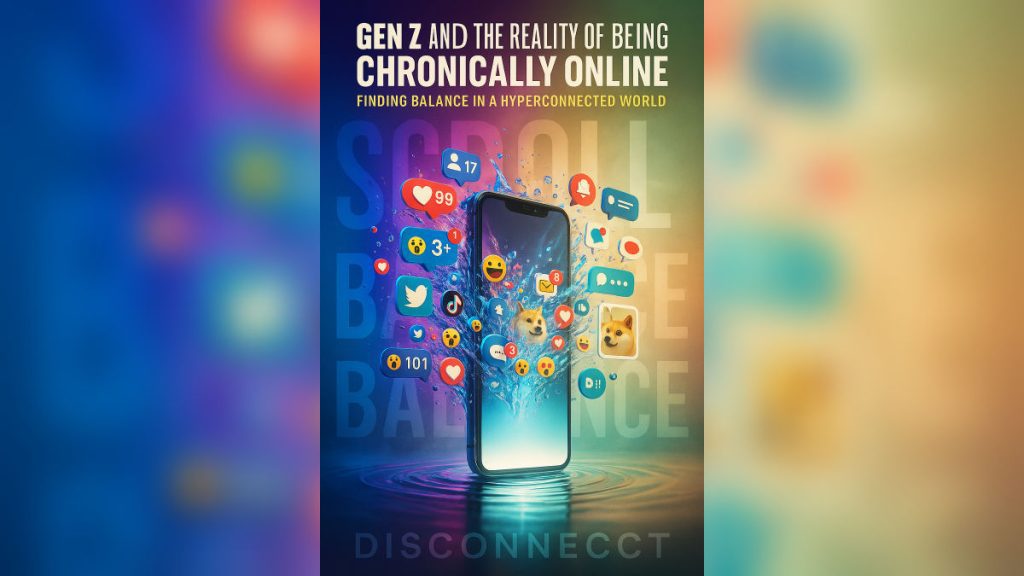
If you’ve ever scrolled through TikTok at 2 a.m., found yourself in a Twitter (sorry, X) debate over niche internet drama, or used the phrase “I saw a meme about this,” chances are you’ve brushed up against the term chronically online. For Gen Z, this isn’t slang. It’s a reflection of how deeply the internet shapes their everyday reality.
But is being constantly connected all bad? Or is it the new normal for a generation born with WiFi in the air and smartphones in their hands? The truth’s more nuanced than a simple good or bad.
What does “chronically online” really mean?
The phrase often carries a mocking tone. It’s used to describe people so immersed in digital discourse that their views start to disconnect from real-world nuance. It goes beyond screen time, it’s about how deeply internet culture shapes a person’s worldview, language, humour and even identity.
From daily doomscrolling to debating whether a viral video is staged or authentic, being chronically online means living inside a constant loop of memes, micro-trends, niche arguments and 24/7 connectivity. Always plugged in. Rarely fully present.
Why is Gen Z the first truly digital-native generation?
For Gen Z, being online isn’t a choice, it’s the starting point. They’re the first generation to grow up with the internet as a given rather than a novelty. Their social lives, self-expression, education and even activism are tied to digital platforms.
- Social lifelines: apps like Discord, Reddit and TikTok aren’t just entertainment, they’re digital hangout spots, advice forums and support systems rolled into one.
- A new language: meme culture, emojis and shorthand like “FR,” “based,” or “delulu” aren’t just slang, they’re a shared dialect that replaces formal expressions with layered, often ironic humour.
- Identity and belonging: online spaces offer safe havens for young people exploring their identities or beliefs, especially those who feel misunderstood offline.
Short version. The internet isn’t just a tool for Gen Z. It’s part of their ecosystem.
What are the downsides of always being online?
Living online 24/7 isn’t without cost. Like anything else, too much of a good thing can backfire, and many Gen Zers are starting to notice it themselves.
Skewed perspectives
Spending too much time in echo chambers can warp your view of reality. If everyone in your feed thinks a niche issue is the biggest crisis of the century, it’s easy to forget it might not even register offline. That disconnect can make real-world interactions feel frustrating, sometimes alienating.
Mental health strain
According to a 2023 Pew Research study, over 58% of Gen Z report feeling anxious or stressed because of their online habits. Endless comparison, cyberbullying, the pressure to perform, FOMO. The emotional toll piles up.
Blurred realities
When your online identity feels more you than your offline self, it gets hard to tell where the digital ends and the physical begins. Some people struggle to be present without thinking about how to frame the moment for Instagram.
Misinformation overload
Living online means navigating a sea of information, some accurate, much of it not. With content firing at you from influencers, anonymous users and algorithm-driven feeds, separating fact from fiction is genuinely difficult.
What’s the upside of being chronically online?
Despite all that, being online all the time isn’t inherently harmful. For many Gen Zers, the internet has actually been a place of empowerment, creativity and connection.
Community support
From niche fandoms to activist groups, Gen Z finds solidarity online, especially those who feel marginalised due to race, gender, sexuality or mental health challenges. “I found my people online” is a phrase you hear often.
Access to knowledge
Educational YouTube channels, open-access courses, mental health resources, even TikToks that explain historical events in under a minute. Gen Z has endless ways to learn, from coding to climate justice.
Creative expression
Instagram, TikTok and Substack have turned Gen Z into creators, not just consumers. Visual art, music, fashion tips, comedic skits, the internet offers a stage for anyone with a message.
How do you actually find balance?
Being chronically online isn’t a moral failing, it’s a cultural adaptation. But like any lifestyle, it needs balance. A few moves Gen Z (and honestly, all of us) can use to recalibrate.
1. Set boundaries
Not everything needs to be documented. Leave your phone in another room during meals. Turn off push notifications during work or study time. Try digital detoxes: an hour, a day, even a weekend offline.
2. Make offline time meaningful
Invest in hobbies that don’t require screens. Journaling. Cooking. Playing an instrument. Going for a walk. Reconnecting with the physical world is refreshing, and necessary.
3. Be mindful, not mindless
Ask yourself: why am I opening this app right now? Boredom, curiosity, loneliness? Becoming aware of your digital habits is the first step to changing them.
4. Curate your feed
Mute or unfollow accounts that leave you feeling anxious or inadequate. Follow creators who uplift, educate, or challenge you. It’s your feed, own it.
Final thoughts: you are not your screen time
Being chronically online doesn’t mean you’re broken, it means you’re navigating a world that’s increasingly digital. And like any tool, the internet can either build you up or burn you out, depending on how you use it.
Ask deeper questions instead of judging your screen time. Is my online life helping me grow? Am I learning, connecting, creating? Or am I numbing, comparing, spiralling? It’s not about logging off entirely, it’s about logging into real life more intentionally.
FAQs about Gen Z and being chronically online
What does chronically online mean?
Chronically online describes someone so immersed in internet culture that it shapes their worldview, language and humour, often to the point of disconnect from real-world nuance. It’s not just about screen time, but about how deeply digital discourse colours daily thought.
How does being chronically online affect mental health?
A 2023 Pew Research study found over 58% of Gen Z report feeling anxious or stressed from their online habits. Endless comparison, cyberbullying, FOMO and pressure to perform online all add up to a meaningful emotional toll.
Is being chronically online always bad for Gen Z?
No. Many Gen Zers find genuine community, learning and creative outlets online, especially those who feel marginalised offline. The harm comes from imbalance and lack of awareness, not from being online itself.
How do you find balance when you’re chronically online?
Set boundaries (phone-free meals, push notifications off during work), invest in offline hobbies, ask yourself why you’re opening an app before you do, and curate your feed by muting or unfollowing anxiety-triggering accounts.
What apps are most associated with Gen Z being chronically online?
TikTok, Instagram, Discord, Reddit and X (formerly Twitter) are the platforms most cited. Discord and Reddit work as digital hangout spots, while TikTok and Instagram drive the meme and trend cycles that define Gen Z’s shared online language.