

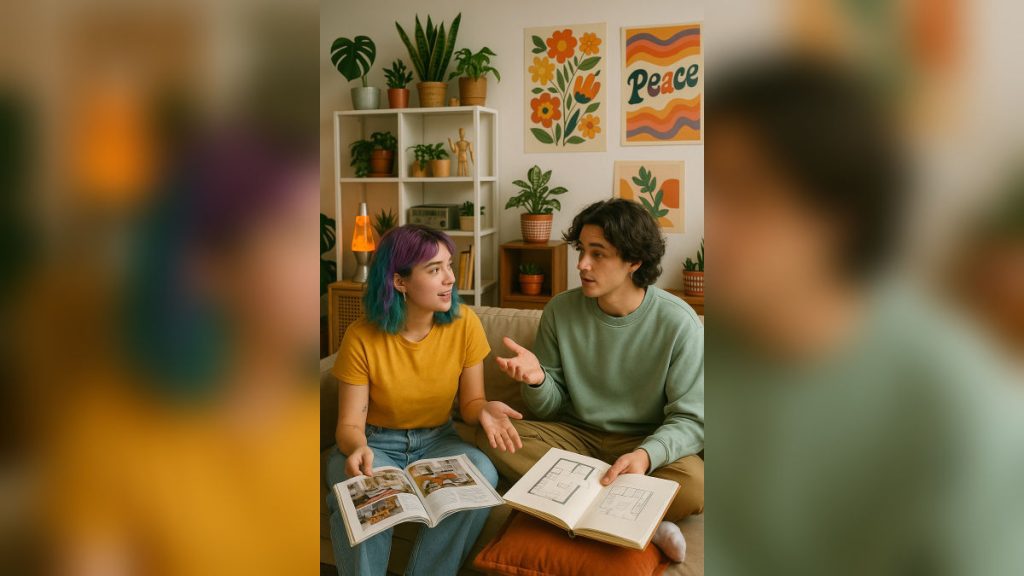
Short answer: Gen Z home decor swaps beige minimalism for bold, story-driven spaces. Think dopamine decor walls, DIY gallery walls, smart lighting, and sustainable picks like bamboo desks and jute rugs. A 2022 First Insight report found 73% of Gen Z would pay more for sustainable products, and that mindset bleeds straight into how they decorate.
Pinterest boards everywhere. Instagram-perfect interiors too. And yet Gen Z is carving its own path, one that’s less about glossy perfection and more about unapologetic self-expression. For this generation, personality-driven spaces aren’t a luxury, they’re a need.
Why is Gen Z ditching beige for bold aesthetics?
Goodbye neutrals, hello vibe
Neutral tones still have their fans. But Gen Z isn’t shy about making a visual statement. We’re talking vibrant colour palettes, mismatched textures, neon signs, even food-themed décor. It’s a quiet rebellion against the sterile white walls of the past, pushing toward something more expressive.
One trend doing the rounds is dopamine décor, a feel-good design style that uses colour psychology to lift mood and energy. From citrus-toned accent walls to multi-coloured throw pillows, the whole point is surrounding yourself with stuff that sparks joy. Strange, really, how a tomato-red cushion can change a room.
According to The Hindustan Times, aesthetics like modern boho, industrial chic, and retro-futurism are catching Gen Z’s eye. These styles mix the old with the new, layering in personal quirks that defy conventional design rules.
“I have a neon pink wall, a secondhand velvet sofa, and a tomato-shaped rug,” says Aanya, a 23-year-old freelancer. “It’s chaotic, but it feels like me.”
Why is DIY the new luxury for Gen Z?
Made with love (and glue guns)
Customisation sits at the heart of Gen Z’s interior philosophy. Why buy mass-produced when you can make something nobody else owns? Whether it’s painting a thrifted dresser in bubblegum pink or weaving a macrame wall hanging from a YouTube tutorial at 2 AM, DIY lets you leave a tangible mark on your space. It’s also kinder to the wallet and the planet.
Gallery walls have become a go-to. They’re not just about aesthetic symmetry, they tell a story. A vintage poster from a favourite movie, a hand-drawn sketch, a Polaroid of a best friend, all curated into a visual autobiography. And then there are the little things: indoor plants in quirky planters, handmade pottery, hobby-based displays. A wall-mounted skateboard? A bookshelf doubling as a vinyl record showcase? Peak Gen Z energy.
How is Gen Z blending tech into home design?
Smart, seamless, stylish
Older generations hid their gadgets in drawers or let wires sprawl across desks. Gen Z expects technology to work for them, and look good doing it. Smart lighting systems shift moods with a tap, bright whites for study sessions and moody purples for evening chill-outs. There’s something genuinely magical about curating your vibe with a colour wheel on your phone.
Tech integration has become a furniture-design priority too. Charging ports built into side tables, Bluetooth speakers disguised as decor, digital art displays that rotate visuals. The whole point is ambiance, a fusion of function and aesthetic where even a power strip doesn’t mess with the flow.
What does sustainable Gen Z decor look like?
Green is the new black
Gen Z’s design ethos isn’t only about self-expression. It’s also deeply ethical. This is a generation acutely aware of the climate crisis, and they’re putting their values where their wallets are. Reclaimed wood furniture, biodegradable decor, upcycled or secondhand pieces, sustainability is woven into every choice. Brands that are transparent about sourcing and ethical practices are earning Gen Z’s trust.
According to a 2022 First Insight report, 73% of Gen Z consumers said they’d pay more for sustainable products. Home decor included. A bamboo desk, a jute rug, locally-made clay vases, these picks aren’t only environmentally responsible. They’re also beautiful in a way mass-manufactured pieces rarely are.
How can you personalise a tiny rental?
It’s not the size, it’s the story
Living in rental apartments or dorm rooms might seem limiting. But Gen Z thrives on constraint-driven creativity. No matter the square footage, personality shines through with the right touch. Multi-functional furniture like a storage ottoman or a fold-out desk doesn’t just save space, it can be jazzed up with personalised accents.
Removable wallpaper, washi tape borders, peel-and-stick tiles, small changes that make a big impact without violating rental agreements. Even lighting can transform a mood. Fairy lights around a window. A floor lamp with a colour filter. String lights wrapped around a headboard. Instant cosiness, no landlord drama.
How does Gen Z connect home design to mental health?
A mirror to the mind
One underrated piece of Gen Z’s design philosophy is emotional well-being. It’s not just about looking good, it’s about feeling good. Comforting textures like chunky knit throws. Calming colours like sage green or lavender. The presence of plants. These aren’t only aesthetic choices, they’re mood lifters.
Studies have shown indoor plants can reduce stress, increase productivity, and improve air quality (NASA Clean Air Study, 1989). Gen Z homes are built for winding down, waking up with intention, and recharging. The aesthetic is cosy. The motive is clearer: build a space where your mind feels safe.
Let your space speak for you
Your home doesn’t have to be perfect. It doesn’t need a matching set of furniture or a hefty design budget. What it does need is you, your quirks, your passions, your story. Gen Z is proving authenticity belongs in interior design, rejecting cookie-cutter aesthetics for homes that spark joy and evolve right alongside their personalities.
So whether it’s a ramen bowl-shaped lamp, a wall of travel photos, or a handmade poster quoting your favourite poet, let your space say something. The best home isn’t the most expensive, it’s the one that feels like you.
FAQs about Gen Z home decor
What is dopamine decor and why does Gen Z love it?
Dopamine decor is a feel-good design style that uses bright colours and playful objects to lift your mood. Think citrus accent walls, neon signs, and multi-coloured throw pillows. Gen Z loves it because it pushes back against beige minimalism and turns a room into something personal and joyful.
How can renters personalise a home without losing their deposit?
Stick to reversible touches. Removable wallpaper, washi tape borders, and peel-and-stick tiles all come off cleanly. Add fairy lights, a floor lamp with a colour filter, and multi-functional pieces like a storage ottoman. Big personality, zero landlord arguments.
Are Gen Z buyers really willing to pay more for sustainable decor?
Yes. A 2022 First Insight report found 73% of Gen Z consumers would pay more for sustainable products, and home decor falls inside that. Reclaimed wood, jute rugs, bamboo desks, and secondhand pieces are popular picks for that exact reason.
What home items improve mental health, according to research?
The NASA Clean Air Study (1989) found indoor plants can reduce stress, lift productivity, and improve air quality. Gen Z layers that with chunky knit throws, calming colours like sage green and lavender, and warm lighting to make the space feel emotionally safe.
What design styles are trending with Gen Z right now?
Per The Hindustan Times, modern boho, industrial chic, and retro-futurism are big with Gen Z. The shared thread is mixing old and new, layering quirks, and skipping the rulebook entirely. Gallery walls and DIY pieces tie it all together.