
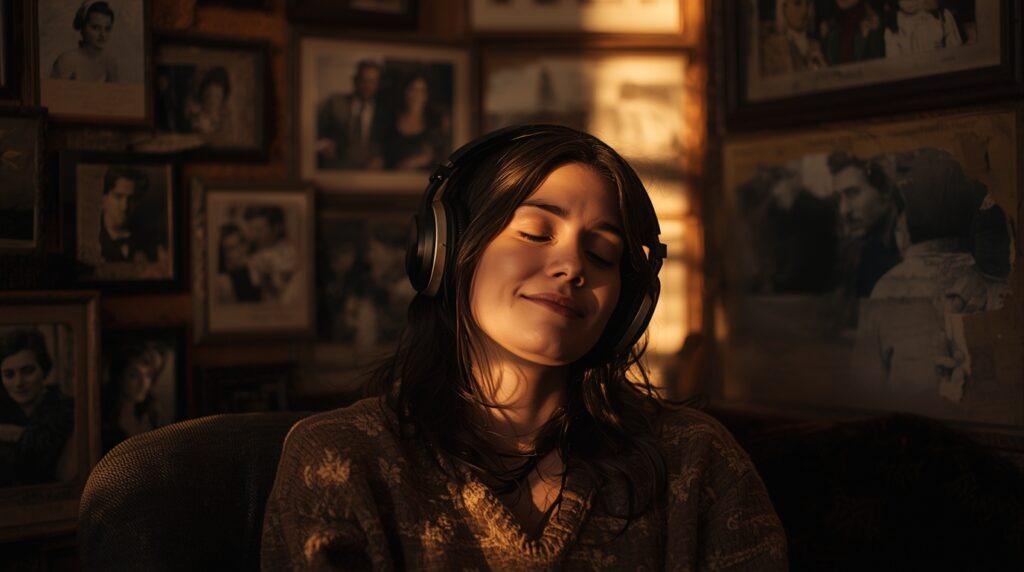
Short answer: Nostalgia spikes when the present feels unstable because the past is the only place where outcomes are already known. It is a self-regulatory emotion that stabilizes identity, not weakness. The comfort of nostalgia becomes a problem only when it replaces living forward, so use it as a teacher, not a refuge.
Nostalgia does not arrive loudly. It slips in quietly, through an old song, a half-forgotten show, a childhood snack, a photo you did not mean to scroll past. Suddenly, you are somewhere else. Not geographically, but emotionally. In a time when things felt simpler, slower, more certain, even if they were not.
We often treat nostalgia as sentimentality, a harmless indulgence. But in moments of instability it becomes something more powerful: a coping mechanism. A way to anchor ourselves when the present feels overwhelming and the future feels unclear.
We do not miss the past. We miss how safe it felt to not know what was coming.
Why is nostalgia stronger during uncertain times?
There is a reason nostalgia spikes during periods of social, economic, or personal instability. When the present feels unpredictable, the mind searches for certainty, and the past is the only place where outcomes are already known.
You know how those stories end. You know who you were then. You know you survived it.
That familiarity is comforting.
Psychologists describe nostalgia as a self-regulatory emotion. It stabilizes identity when external conditions feel unstable. When everything is changing, careers, relationships, technology, norms, looking back reminds you that you exist beyond the chaos.
It is not escapism. It is grounding.
How does memory filter the past?
Nostalgia is not honest history. It is edited.
We remember the warmth, not the anxiety. The freedom, not the confusion. The connection, not the loneliness.
The past feels better not because it was better, but because memory softens its edges. We forget the uncertainty we lived with because it did not feel like uncertainty then. It felt like life.
This selective memory makes nostalgia seductive. It convinces us that clarity once existed, that things were simpler, when in reality we were less aware.
Awareness is the tax adulthood charges.
When does nostalgia become cultural?
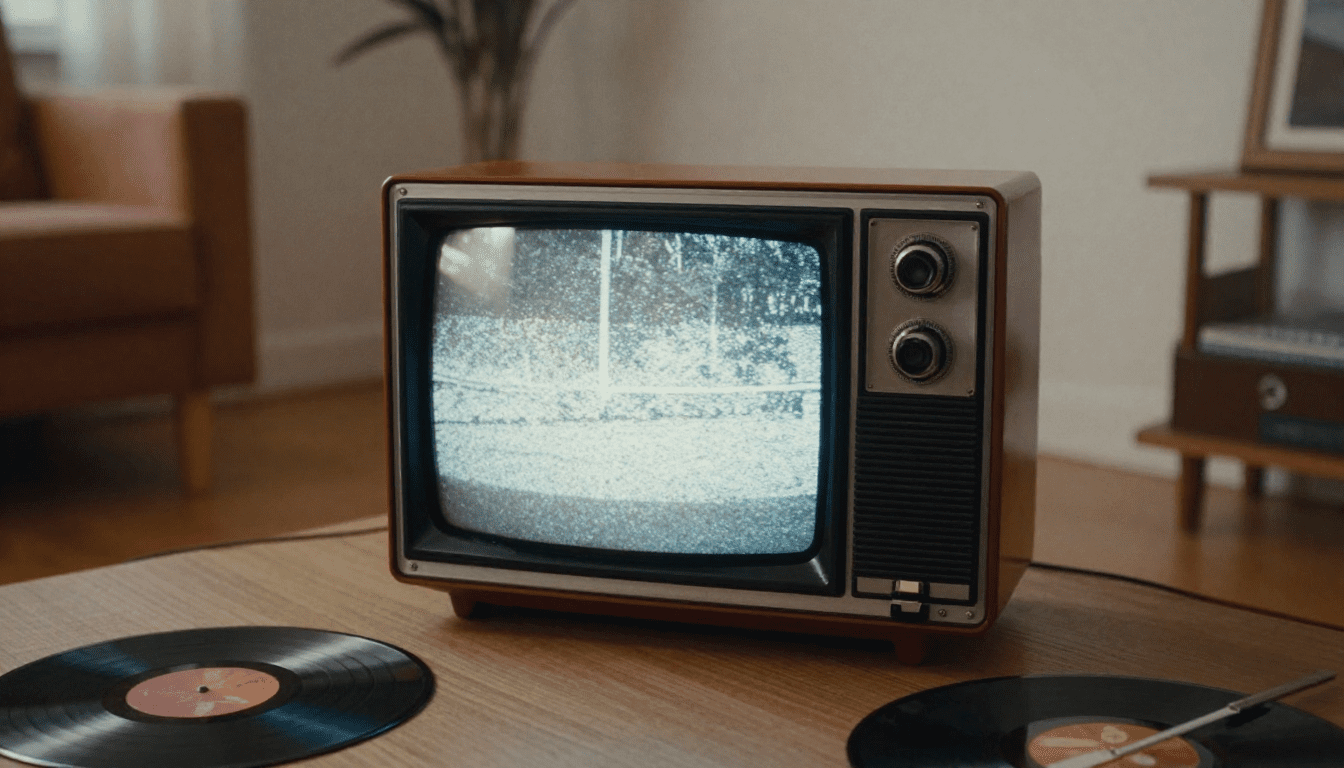
Nostalgia is not just personal anymore. It is commercial. Reboots, remakes, throwback aesthetics, retro branding, Y2K fashion cycles. Entire industries now sell comfort through familiarity.
Why risk something new when you can safely revisit what already worked? This is not laziness. It is demand-driven.
People are tired. Overstimulated. Uncertain. Nostalgia offers something rare: emotional predictability. You know what you are getting, and that matters more than novelty right now.
Why do we miss who we used to be?
Sometimes nostalgia is not about the world. It is about ourselves.
You miss the version of you that did not overthink everything. Had fewer responsibilities. Believed things would work out naturally. Had dreams without deadlines.
That version was not necessarily happier. It was less burdened by awareness.
The pain is not that you changed. It is that you cannot unsee what you now know.
Nostalgia becomes a way to revisit a self that felt lighter, even if that lightness came from ignorance rather than peace.
When does looking back start replacing living forward?
Nostalgia becomes dangerous only when it turns into avoidance. When you replay instead of participate. When you idealize instead of integrate. When the past becomes a refuge instead of a reference.
If you find yourself constantly saying: “Things were better then.” “I miss how it used to be.” “Nothing feels like it did before.”
It may not be the past you are longing for. It may be stability, connection, or meaning that feels missing now. The past becomes a placeholder for unmet needs in the present.
What is nostalgia actually pointing to?
Instead of asking “Why do I miss this time?” a more useful question is: “What did this time give me that I feel disconnected from now?”
Was it:
- Slower pace?
- Deeper friendships?
- Fewer expectations?
- More play?
- A stronger sense of belonging?
Nostalgia is not asking you to go back. It is asking you to reclaim something, in a way that fits who you are now.
How do you integrate the past without living in it?
The healthiest relationship with nostalgia is integration. You do not reject the past. You do not romanticize it endlessly. You let it inform you.
You recognize what mattered. You understand what you have outgrown. You carry forward the parts that still serve you.
That might look like:
- Protecting slower mornings
- Reintroducing play into adult life
- Prioritizing connection over optimization
- Letting go of constant urgency
The past is not a destination. It is a teacher.
Why is the present so hard to love?
Part of the reason nostalgia feels so powerful is that the present rarely pauses long enough to be felt.
We document instead of inhabit. We analyze instead of experience. We compare instead of accept.
The present feels thin because we are rarely fully in it. Nostalgia fills that absence with emotional density, memories feel richer because they are already complete.
The challenge is not to stop looking back. It is to learn how to stay.

A future that does not require escaping into memory
The goal is not to eliminate nostalgia. It is to build a present you will not need to escape from later.
A life that includes rest. Connection. Meaning. Room to breathe. So that one day, when you look back on this version of your life, it does not feel like something you missed while living it.
Where this leaves us
Nostalgia is not weakness. It is evidence of attachment, to people, moments, versions of self that mattered.
The past is not calling you back. It is reminding you of what is possible.
If you listen carefully, nostalgia does not say: “Go back.” It says: “Don’t lose yourself again.”
FAQs about the comfort of nostalgia
Why do I feel nostalgic all the time lately?
Frequent nostalgia often rises during instability, career shifts, relationship changes, or social uncertainty. The mind reaches for familiar memories because the past has known outcomes, while the present feels unpredictable.
Is nostalgia bad for mental health?
Nostalgia is usually healthy. Research describes it as a self-regulatory emotion that stabilizes identity and mood. It becomes harmful only when it turns into chronic avoidance of the present.
How do I stop idealizing the past?
Remember that memory is filtered. You recall warmth over anxiety, freedom over confusion. Ask what specific feeling you miss, then find ways to create that feeling in your current life.
Why does Gen Z feel nostalgic for eras they never lived through?
Cultural nostalgia spreads through media, reboots, and aesthetics. Gen Z borrows emotional predictability from Y2K, 90s, and older eras because those images feel safer than the uncertainty of the present.
How do I know if my nostalgia is healthy or avoidance?
Healthy nostalgia informs your choices today. Avoidant nostalgia replaces them. If memory stops you from making decisions, starting conversations, or showing up in your current life, it has tipped into avoidance.