
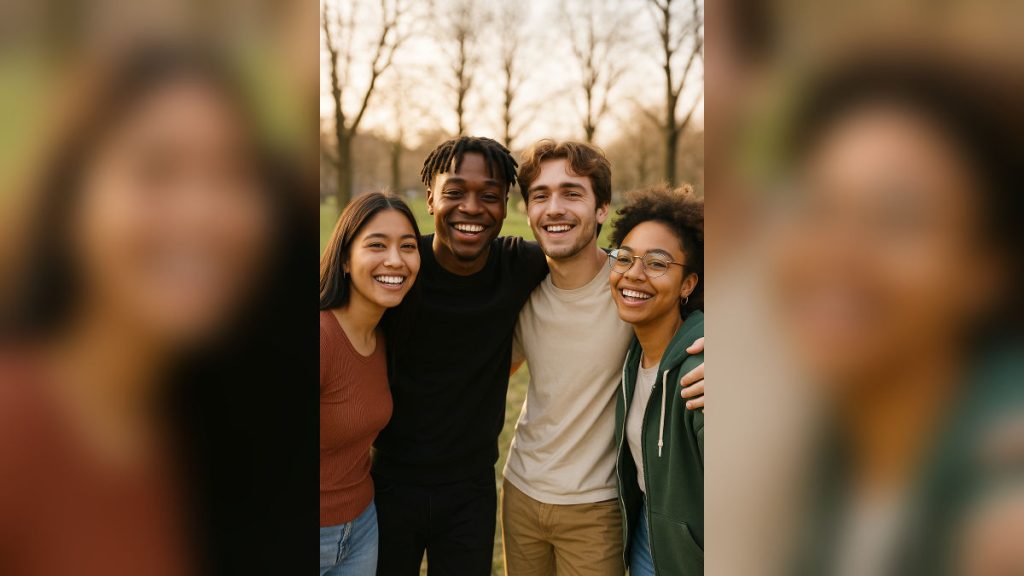
Short answer: Community matters to Gen Z because being hyper-connected online hasn’t cured loneliness, it’s deepened it. They’re the loneliest cohort on record (Cigna, 2018), and they’re using both Discord servers and IRL book clubs to rebuild belonging, mental-health support, purpose and authenticity that algorithms can’t deliver.
Gen Z has more friends on a screen than any generation before them. And still, they feel alone. Born between the mid-1990s and early 2010s, they grew up alongside Instagram, climate dread and a 24-hour news loop. Connected, sure. Connected in the way that matters? That’s the real question.
So what’s pulling them back toward community? It isn’t followers. It isn’t likes. It’s a hunger for belonging, support, purpose and something that doesn’t feel curated to within an inch of its life.
Why does community matter so much to Gen Z?
Despite living their lives online, Gen Z doesn’t mistake scrolling for connection. The 2018 Cigna U.S. Loneliness Index found Gen Z reporting the highest loneliness scores of any age group surveyed. You can join twenty Discord servers and follow ten thousand people on Instagram, and still go a whole week without anyone asking how you’re actually doing.
Community fills that hole. Both digital and physical. It’s the antidote to the constant algorithmic noise, and it offers something messier and warmer in return, shared stories, a bit of mutual understanding, real presence in the same room or the same call.
“I love my online friends, but it wasn’t until I joined a local book club that I realized how much I needed eye contact, laughter, and shared silence,” says Rhea, 21, a college student in Bengaluru.
How does community help Gen Z’s mental health?
Mental health sits at the top of Gen Z’s worry list. Pandemic disruption, exam pressure, climate anxiety, money stress, all of it stacks up. What’s different from earlier generations is they’ll talk about it. Out loud. On main.
Community spaces that allow openness have become genuine lifelines. A Reddit thread on anxiety. A campus peer-support group. A WhatsApp group that flips between memes and mid-night vent sessions. These micro-communities normalise vulnerability in a way therapy alone sometimes can’t.
And they offer immediate help, a coping tip, a pep talk, a reminder: you’re not alone in this.
According to the American Psychological Association, over 70% of Gen Z report feeling stressed about their future. Yet, those who regularly engage in support groups or wellness communities are more likely to seek professional help and report lower stress levels.
Why does authenticity matter inside Gen Z communities?
Gen Z spots fake from a kilometre away. Raised on airbrushed feeds, ring-light influencers and thirst-trap aesthetics, they’ve grown allergic to performance. So they gravitate toward communities where they don’t have to put on a face.
A fandom. A coding club. A grassroots collective. The best ones share one trait: they take people as they are, half-formed and a little chaotic, evolving in real time.
Quick personal aside. In my early twenties, I joined an online writing community with zero pressure to publish or polish. We swapped raw drafts, cheered each other through bad weeks and gave honest, sometimes brutal, feedback. Wasn’t perfect. But it was real, and that beat perfection.
How does purpose drive Gen Z’s choice of community?
More than any generation before them, Gen Z runs on purpose. A 2022 Deloitte survey found over 60% of Gen Zs say their personal values guide their decisions, from the brands they buy to the groups they join.
Community isn’t just a place to belong for them. It’s a vehicle for doing something that counts.
They organise around climate justice, LGBTQ+ rights, mental-health awareness and anti-racism. Instagram, TikTok and X (formerly Twitter) become staging grounds for movements. Offline, they show up at protests, volunteer drives and mutual-aid networks. The digital and the physical work together, not against each other.
“It’s not enough to care anymore,” says Zain, 23, a climate activist. “We want to act. And being part of a community gives us the momentum and accountability to keep going.”
How does community help with real-life adult challenges?
Adulthood is brutal right now. Inflation, hiring freezes, student debt and shrinking safety nets. Gen Z is stepping into all of it with fewer cushions than their parents had, and that’s why peer-led communities have become survival infrastructure.
From LinkedIn career groups to Discord servers about side hustles, Gen Z turns to community for practical help. Resources get shared. Job leads get passed around. Mentorship happens in DMs.
These networks also fill the gaps left by formal education. Financial literacy. How to find a therapist. How to set a boundary without burning a bridge. The stuff school never taught.
How does community give Gen Z a louder voice?
There’s real power in collective voice, and Gen Z understands it. They’ve watched grassroots movements shift narratives overnight. Belonging to a community isn’t just about feeling seen, it’s about being heard.
Platforms like Change.org, Substack collectives and niche Slack groups show how communities can change conversations, support creators and launch fundraisers that go global within hours. Even fandoms and hobby groups punch above their weight, lifting marginalised voices and pushing cultural debate forward.
How is Gen Z redefining community for a hybrid world?
For Gen Z, community is fluid. It doesn’t have to follow geography or tradition. A friend group on Discord can feel as real as any classroom study circle. A K-pop fandom might be more supportive than extended family. A queer collective online can feel safer than the neighbourhood Diwali function.
Intention is what matters. Not location.
And as the line between virtual and physical keeps blurring, Gen Z is showing the rest of us how to build communities that are:
- Inclusive
- Purposeful
- Supportive
- Action-oriented
Gen Z’s call to reimagine community
In an age of polarisation and digital overwhelm, Gen Z is rewriting what “being in community” actually looks like. The numbers are clear, this generation isn’t chasing follower counts, they’re chasing depth.
Their communities are where memes and mental health coexist. Where organising a protest matters as much as sharing a playlist. Where the personal really does become political, and nobody flinches.
FAQs about Gen Z and community
Why is Gen Z considered the loneliest generation?
Despite being digital natives with constant online access, Gen Z reports the highest loneliness scores of any age group, according to the 2018 Cigna U.S. Loneliness Index. The gap between online connection and meaningful, present interaction is the main driver.
How do online communities support Gen Z’s mental health?
Online spaces like Reddit threads, Discord servers and peer support groups normalise vulnerability and offer immediate access to coping tools, advice and the reassurance that someone else is going through the same thing. The APA notes that Gen Z members in support groups are more likely to seek professional help.
What kinds of causes does Gen Z build community around?
Climate justice, LGBTQ+ rights, mental health awareness and anti-racism are top priorities. Per Deloitte’s 2022 survey, over 60% of Gen Zs say personal values shape their decisions, including which communities they join and which brands they support.
How does Gen Z balance virtual and in-person community?
For Gen Z, the line is blurred and that’s the point. A Discord friend group, a K-pop fandom, a queer collective online can feel just as real and supportive as any IRL gathering. Intention behind the connection matters more than the medium.
Why does authenticity matter so much in Gen Z communities?
Gen Z grew up surrounded by curated, filtered content and they’re quick to call out anything fake. They gravitate toward communities, fandoms, support groups, hobby clubs, where they can show up unpolished and still be accepted.