

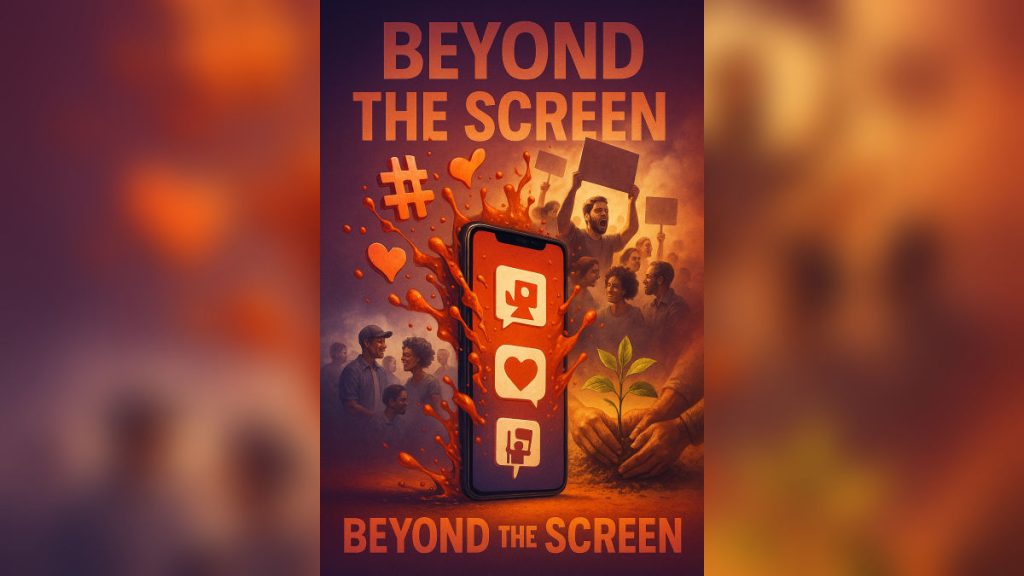
Short answer: Social media activism raises awareness fast, but rarely changes laws or institutions. Pew found 76% of Americans think social media helps awareness while only 35% think it changes policy. Real change still needs grassroots work, donations, voting, and offline pressure. Posts are a starting point, not a finish line.
Social media has become a megaphone for social and political expression. With one tap, anyone can amplify a cause, spark a conversation, and reach a global audience inside seconds. For Gen Z, the digital natives who grew up with this stuff baked in, activism through Instagram stories, tweets and TikToks feels natural. Necessary, even.
But here’s the catch. Despite the reach, social media activism alone falls short on the long-term, structural change part. The digital realm is loud, and that’s not nothing, but it can’t replace collective action on the ground. Posts don’t pass laws. People do.
Why does clicktivism feel like enough when it isn’t?
Let’s be honest, hitting “share” or pinning a hashtag to your bio takes almost no effort. This kind of low-friction engagement, often called “slacktivism” or “clicktivism,” creates the illusion of impact without moving the needle.
Awareness isn’t action
Awareness is the crucial first step in any movement. But awareness that doesn’t lead anywhere remains incomplete. A viral post about climate change might stir emotion. If it doesn’t push someone toward policy advocacy, donations, or grassroots organising, the impact fizzles.
I remember during the Black Lives Matter protests in 2020, my entire feed went black for a day with #BlackoutTuesday posts. A week later, most of those conversations had vanished. Did we actually shift anything, or did we follow a trend?
According to a study by the Pew Research Center, 76% of Americans believe social media helps raise awareness, but only 35% think it’s effective for changing policies. The gap between visibility and tangible change is glaring.
Why does the trend cycle kill movements?
One of the biggest limits of online activism is its short shelf life. Social media thrives on what’s hot, not necessarily what’s important.
Short attention spans, short movements
Movements can erupt online overnight, generate millions of views, and then quietly evaporate. Sustaining momentum is rare. As soon as another headline drops, the spotlight shifts, and important causes get buried under the next viral moment.
This cycle creates activism that’s reactive instead of proactive, emotional instead of strategic. The actual work, advocacy, education, legal reform, takes years of dedication. Not a week of outrage.
How do echo chambers undermine real dialogue?
Social media platforms are engineered to show you content you already agree with. It feels validating, but it usually traps you in an echo chamber that strangles real dialogue.
Preaching to the choir
When we only talk to people who already agree with us, we lose the chance to persuade, educate, or even understand the other side. Activism turns into performance for our peers, not outreach to anyone who might need convincing.
In polarised times, genuine conversations matter more than ever. Shouting into a digital void where dissent gets dismissed or blocked rarely leads anywhere useful. It just feels productive.
Why is misinformation a dangerous undercurrent?
Activism rooted in misinformation can do more harm than good. And unfortunately, false or misleading content spreads faster than the truth on most platforms.
The credibility crisis
Whether it’s a misquoted statistic, an out-of-context video, or an oversimplified infographic, the speed at which information travels online makes it tough to verify before it goes viral. The credibility of movements takes the hit, and inaccuracies, once exposed, get weaponised against the cause.
In a 2021 study by MIT, researchers found that false news spreads six times faster on Twitter than accurate news. The fight for justice needs facts, not fiction.
What is performative activism?
Social media often rewards appearance over action. That’s given rise to performative activism, posting about causes for social approval or personal branding rather than out of any real conviction.
Impact vs image
Wearing a cause like a fashion accessory trivialises the very issue it’s meant to spotlight. It also breeds cynicism, making people question whether anyone is genuine anymore. When activism becomes aesthetic, it loses its soul.
“I used to post every trending cause because it felt like the ‘right’ thing to do. But I realized I wasn’t actually doing anything about those issues in real life. It was all surface.” — Arjun, 21, Bengaluru
Why social media isn’t real-world action
Twitter and Instagram can start conversations. Real change still demands real-world engagement. Laws aren’t changed by likes, they’re changed by lobbying, organising, and sustained collective pressure.
Action that goes beyond the screen
Want to support a cause? Show up. Attend a protest. Donate to organisations doing the work. Write to your representatives. Volunteer your time or your skills. Social media is the start, not the solution.
Grassroots organisations matter most here. They work directly with the communities affected and know which solutions actually move the needle on the ground. The DMs aren’t where the change gets built.
How can you make social media activism more meaningful?
Social media doesn’t have to be hollow. Used with intent, it can amplify and support real-world efforts. Here’s how:
1. Encourage offline involvement
Use your platform to mobilise. Share event details, encourage donations, promote volunteering opportunities. Push your audience toward action beyond the app.
2. Be consistent, not trend-driven
Stay committed to the causes you care about, even when they’re not trending anymore. Real change takes time. Movements need consistency more than they need virality.
3. Fact-check relentlessly
Before sharing a post, ask: Is this true? Is it helpful? Who benefits from this narrative? Verify sources. Think critically about what you amplify, because amplification is power.
4. Support ground-level work
Donate to local initiatives. Share stories from community organisers. Use your visibility to lift up the voices of the people doing the slow, unsexy work offline.
5. Bring your skills to the table
Whether you’re good at writing, designing or organising, use your talents to support the cause. Activism needs more than opinions; it needs contributors.
A post is just the beginning
Social media has transformed how we speak out, connect, and care. It’s made activism more accessible and given a voice to people who didn’t have one. But it’s not enough.
Real activism asks more of us. It demands time, effort, discomfort, and sustained action. It means walking the talk, even when no one’s watching.
So go ahead, post, tweet, share. Just don’t stop there. Let your activism live in the world beyond the screen. That’s where the real work begins.
FAQs about social media activism
What is social media activism?
Social media activism is the use of platforms like Instagram, Twitter, TikTok and Facebook to spread awareness, mobilise support, and advocate for social, political, or environmental causes. It includes hashtag campaigns, viral posts, online petitions, and digital protest.
What is the difference between slacktivism and real activism?
Slacktivism is low-effort online support, sharing a post, adding a hashtag, changing a profile picture, that creates the appearance of involvement without much follow-through. Real activism includes offline action: donating, organising, voting, lobbying, and on-the-ground community work.
Why isn’t social media activism enough?
It can raise awareness fast but rarely shifts policy or institutions. Pew Research found 76% of Americans believe it raises awareness, but only 35% think it changes policy. Movements also fade quickly because of the trend cycle and echo chambers.
Does social media activism actually create change?
Sometimes, when paired with offline organising. Hashtag campaigns like #MeToo and BLM did shift public discourse. But the legal and institutional changes that followed came from sustained on-the-ground work, lobbying, and grassroots organising, not the posts themselves.
How can I make my social media activism more effective?
Pair posts with offline action. Donate to grassroots groups. Stay consistent on a cause once it’s no longer trending. Fact-check before you share. Use your platform to amplify community organisers, not just trends. And turn your skills, writing, design, organising, into contributions.