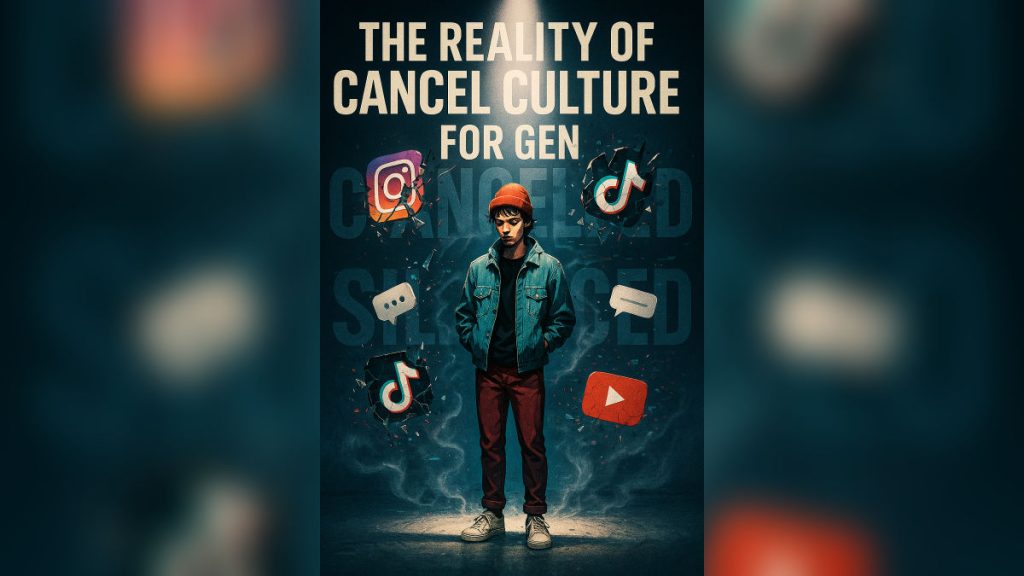
Short answer: Cancel culture for Gen Z is part activism, part identity, part overreach. A 2021 Morning Consult study found 55% of Gen Zers believe online accountability creates real-world change, while a 2022 Pew report shows 61% of Americans think cancel culture punishes people too harshly. The path forward isn’t ending it. It’s adding nuance, dialogue, and a real shot at redemption.
A generation navigating accountability and outrage
In an age of hyper-connectivity and instant communication, few ideas spark the kind of debate cancel culture does. For Gen Z, those born between the mid-1990s and early 2010s, cancel culture isn’t just a buzzword. It’s a cultural force, a form of activism, and at times a double-edged sword. With huge digital reach in their pockets, this generation is rewriting how society confronts wrongdoing. But are they building a fairer world, or quietly trading justice for digital judgement?
The answer, like Gen Z itself, is layered.
Why does cancel culture speak to Gen Z?
Holding the powerful accountable
One of the most cited reasons for Gen Z’s embrace of cancel culture is a deep-rooted hunger for justice. Whether it’s calling out celebrities for racist remarks, boycotting brands that exploit workers, or exposing influencers for problematic behaviour, Gen Z sees cancel culture as a mechanism to demand accountability.
When traditional institutions fail to deliver justice, social media becomes the courtroom, and young people the jury. “If we don’t hold them accountable, who will?” asks Rhea, a 21-year-old student from Bengaluru. “Sometimes, all we have is our voice and the power of the collective.”
A 2021 study by Morning Consult found that 55% of Gen Zers believe holding people accountable online is effective in creating real-world change. That belief is shaped by their upbringing in a world defined by movements like #MeToo, #BlackLivesMatter, and youth-led climate activism, think Greta Thunberg.
Amplifying marginalised voices
For many young people, especially women, LGBTQ+ individuals, and people of colour, cancel culture feels empowering. It offers a way to call out harm in environments where they’ve historically been silenced.
Social media doesn’t just amplify outrage. It amplifies experience. Gen Z’s cancel culture is often less about destruction, more about visibility, surfacing injustices that would otherwise stay swept under the rug. A digital solidarity that says, “We see you, and we won’t let this slide.”
Identity and online belonging
Cancel culture is also tied closely to Gen Z’s identity formation. Online platforms aren’t only tools, they’re ecosystems where young people build values, find community, take public stands.
Choosing to support, or reject, someone online becomes a reflection of who you are. “Posting about why I unfollowed a YouTuber after a scandal wasn’t performative for me,” shares Amaan, a 19-year-old content creator. “It was about showing my followers what I stand for.”
So cancel culture turns personal. It’s not just about who gets cancelled. It’s about the kind of world Gen Z wants to build.
What are the downsides of cancel culture?
Where’s the nuance?
Despite its intentions, cancel culture can be alarmingly swift and stripped of context. A single tweet from five years ago, a misunderstood statement, or a poorly phrased joke can snowball into full-blown backlash, often before the person has had a chance to explain or apologise.
The internet plays judge, jury, and executioner. And there’s barely room for redemption.
“People aren’t allowed to grow anymore,” says Tanvi, a 22-year-old sociology major. “We forget that we’re all still learning, especially young folks. Should one mistake define someone’s entire identity?”
A 2022 Pew Research report found that 61% of Americans believe cancel culture punishes people too harshly for past actions. In trying to be agents of justice, Gen Z sometimes struggles to balance outrage with patience.
Chilling effects on free expression
Another concern: the slow stifling of dialogue. Cancel culture, when weaponised, breeds a climate of fear where people censor themselves, not out of respect but out of anxiety.
“If I say something slightly off, I’m terrified I’ll be called out,” admits Jai, a 20-year-old engineering student. “Sometimes I feel like it’s safer to stay silent than risk getting dragged.”
Constructive criticism is crucial. But the line between accountability and mob mentality can blur fast. When online correction tips into public humiliation, it discourages the honest conversation we need for learning and growth.
The mental toll of being “cancelled”
The psychological impact, especially on young people, is real and unsettling. Public shaming, online threats, mass unfollowings can trigger anxiety, depression, feelings of worthlessness.
Because cancellations often play out in real time and in front of millions, the effect is magnified. There’s no place to hide, no pause button to process.
Social psychologist Dr. Vivek Sinha notes, “The emotional toll of cancel culture can be comparable to bullying, especially when young people are involved. The internet doesn’t forget, and that permanence can be traumatic.”
Can accountability and empathy coexist?
Rethinking the approach
Gen Z doesn’t need to abandon cancel culture entirely. But maybe it’s time for a recalibration. Justice without compassion isn’t justice, it’s retribution. And Gen Z, known for empathy and progressive values, is uniquely placed to lead that change.
Rather than immediately cancelling someone, what if we created space for dialogue? What if education, growth, and restorative practice became part of the response?
Digital harm needs digital healing.
Fostering healthier digital environments
Social media platforms have a critical role here. They can support mental health tools, promote media literacy, and build moderation policies that distinguish between genuine harm and a teachable moment.
Users, especially Gen Z influencers and activists, can model respectful discourse, encourage second chances, and build a culture of reflection over reaction.
As Rhea puts it, “It’s not about letting people off the hook. It’s about believing they can become better.”
Final thoughts: a culture at a crossroads
Cancel culture isn’t all good or all bad. It’s a mirror held up to society’s struggles with justice, voice, and identity. For Gen Z, it remains a powerful, if imperfect, tool. It lets them question power, lift unheard voices, and shape their digital world by their own values.
But with great influence comes great responsibility.
As lines between online and offline keep blurring, the harder questions surface: Are we building a culture of fear or one of growth? Are we seeking change, or just punishment? Can we hold each other accountable without losing our humanity in the process?
The challenge for Gen Z isn’t to cancel cancel culture. It’s to evolve it into something fairer, kinder, more effective.
Let’s make room for justice, and for grace. Because if we believe people can change the world, we must also believe they can change themselves.
FAQs about cancel culture for Gen Z
What is cancel culture in simple terms?
Cancel culture is publicly calling out, boycotting, or socially withdrawing support from individuals, brands, or institutions for behaviour seen as harmful. For Gen Z, it often plays out on social media as a form of activism and collective accountability.
Why does Gen Z embrace cancel culture more than older generations?
Gen Z grew up online, watched institutions fail at delivering justice, and saw movements like #MeToo and #BlackLivesMatter reshape conversations. A 2021 Morning Consult study found 55% of Gen Zers believe online accountability creates real-world change.
Is cancel culture too harsh?
Many think so. A 2022 Pew Research report found 61% of Americans believe cancel culture punishes people too harshly for past actions. Critics argue it leaves little room for context, growth, or genuine apology.
What is the mental health impact of being cancelled?
Public shaming and mass online backlash can trigger anxiety, depression, and feelings of worthlessness. Social psychologist Dr. Vivek Sinha compares the emotional toll to bullying, made worse by the permanence of the internet.
How can we make accountability culture healthier?
Add dialogue before cancellation, prioritise restorative justice over public shaming, and let people apologise and grow. Platforms can help by supporting media literacy and better moderation; users can model second chances and reflection over reaction.