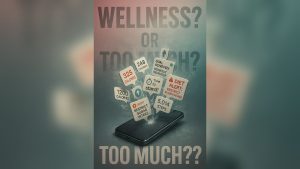
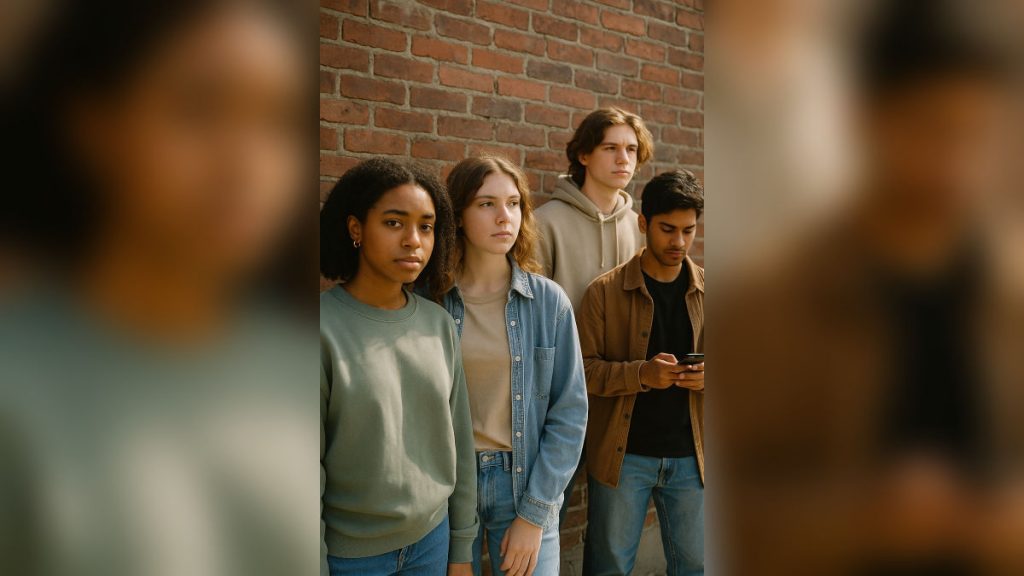
Short answer: Gen Z identity beyond social media starts with self-reflection, real-world connections, and a curated feed. A 2023 Pew Research Center study found 59% of teens feel pressure to look good online, and over 40% feel overwhelmed by posting. The fix isn’t deletion, it’s ownership.
Strange, really. You scroll through filtered selfies, achievement posts and aesthetic morning routines on Instagram or TikTok, and somehow everyone else has it figured out. Except you. For Gen Z, a generation raised on the internet, identity tangles up with the digital world from day one. And as bright as social media can be, it also blurs the line between who we are and how we want to be perceived.
Finding your identity beyond the screen isn’t about deleting your apps. It’s about discovering what’s real, meaningful, and uniquely yours outside the curated chaos.
Why does social media warp Gen Z self-image?
Social media cuts both ways. On one side, it gives room for creativity, self-expression, and connection. On the other, it breeds comparison, self-doubt, and a craving for external validation. A 2023 Pew Research Center study revealed that nearly 59% of teens feel pressure to look good on social media, and over 40% feel overwhelmed by the need to post regularly or maintain an ideal image.
We post highlights, not realities. Likes turn into mini dopamine hits, and suddenly our sense of worth hinges on engagement numbers instead of inner truths.
But identity isn’t found in pixels. It’s forged through experiences, reflection, and real-world connections.
How do you start exploring identity offline?
The journey inward can feel unfamiliar, especially when most of our feedback loops live outside us. But carving out quiet time to ask yourself big questions can lead to real clarity.
What really matters to you?
Strip away what your feed says is cool or desirable. What values matter to you? Creativity, justice, compassion, security? Knowing your core beliefs works like a compass in a noisy world.
Take my own example. I once spent weeks obsessing over whether I should start a YouTube channel. But after journaling, I realised what I truly wanted was meaningful one-on-one conversations, not content creation. That insight saved me months of anxiety and led me to pursue mentorship roles instead.
Follow your curiosity
Explore activities, books, or hobbies that speak to you, even if they aren’t “trendy.” You might discover you love ceramics, hiking, slam poetry, or astronomy. Passion is a powerful identity-builder. Try something new. Attend a workshop. Volunteer. Take a solo trip (even to the next town over). The more you try, the more pieces of yourself you’ll uncover.
How do you build self-compassion in a perfection-obsessed feed?
In a world that pushes perfection, being kind to yourself is radical. Embrace the messy, imperfect parts of your identity, they’re what make you human.
Talk to yourself like a friend
When negative self-talk creeps in (“I’m not good enough,” “Everyone’s doing better than me”), pause. Would you say that to a friend? Probably not. Replace criticism with compassion. Reframe mistakes as growth points.
Authenticity over aesthetics
Authenticity means aligning your actions with your values, not chasing validation. When you’re living authentically, you’ll feel more grounded, less anxious, more fulfilled, even if others don’t “get it.”
As Gen Z poet and writer Rupi Kaur once said:
“What is stronger than the human heart which shatters over and over and still lives?”
Give yourself permission to live for you, not for likes.
Why are real-life connections still the foundation?
Online friendships can carry weight, but nothing replaces real, face-to-face connection. Relationships rooted in presence (not DMs) feed your sense of belonging and identity in a way no thread can match.
Spend time with people who see you
Find friends who support your growth and accept your quirks. These are the people who remind you of who you are when you forget.
Join communities that reflect your values
A book club, a local theatre group, an activist organisation, a coding circle, being part of a group that shares your interests helps you feel less alone and more understood. I once joined a local spoken word group and was shocked by how safe and seen I felt. Sharing poetry with strangers taught me more about my identity than a thousand selfies ever could.
How do you manage your relationship with social media?
You don’t have to abandon social media. But you do have to own your usage, not let it own you.
Audit your feed
Does your feed make you feel anxious or empowered? Inspired or inadequate? Unfollow accounts that drain you. Follow those that educate, uplift, or offer realness. Here’s the rule of thumb: if an account makes you doubt your worth, it doesn’t deserve your attention.
Set boundaries
Use features like screen time limits or app timers. Try digital detox days. Create without obsessively checking likes. These small shifts protect your mental clarity and let you stay connected to your real self.
Don’t compare your behind-the-scenes to someone else’s highlight reel
Social media is a curated illusion. Nobody posts their bad days or insecurities in full. What you see online is only part of the story.
Why is identity a lifelong journey?
It’s tempting to want a clear-cut label: “This is who I am.” But identity isn’t a static destination. It’s fluid, evolving, shaped by both choice and change.
And that’s the beauty of it.
You’re not behind if you haven’t figured it all out by 21, or 25, or 30. In fact, recognising that identity is something to be explored, not defined once and for all, is liberating.
You are more than your follower count, more than your aesthetic, more than your digital footprint.
Final thoughts: beyond the filter
Finding your identity beyond social media is about rediscovering your voice in a world of noise. It’s about reclaiming your time, your values, your joy. You are already enough, no filter, no followers required.
The most powerful version of you exists not on a screen, but in the way you live, love, and grow in the real world. So take a step back. Breathe. Look inward.
FAQs about Gen Z identity beyond social media
How does social media affect Gen Z identity?
A 2023 Pew Research Center study found nearly 59% of teens feel pressure to look good on social media, and over 40% feel overwhelmed by posting. The validation loop blurs authentic self against curated image.
What practical steps help build identity beyond the screen?
Journal for self-reflection, follow curiosity into untrendy hobbies, prioritise face-to-face friendships, and unfollow accounts that drain you. Small offline experiments uncover real values fast.
Do I have to quit social media to find myself?
No. The goal is ownership, not deletion. Use screen time limits, take detox days, and curate a feed that uplifts rather than triggers comparison.
Why does authenticity matter more than aesthetics?
Authenticity aligns actions with your values, leaving you grounded and less anxious. Aesthetics chases external approval, a moving target that never settles.
Is it normal to feel lost about identity at 25 or 30?
Yes. Identity is fluid and evolves with experience. Most people keep refining who they are well past their twenties.