
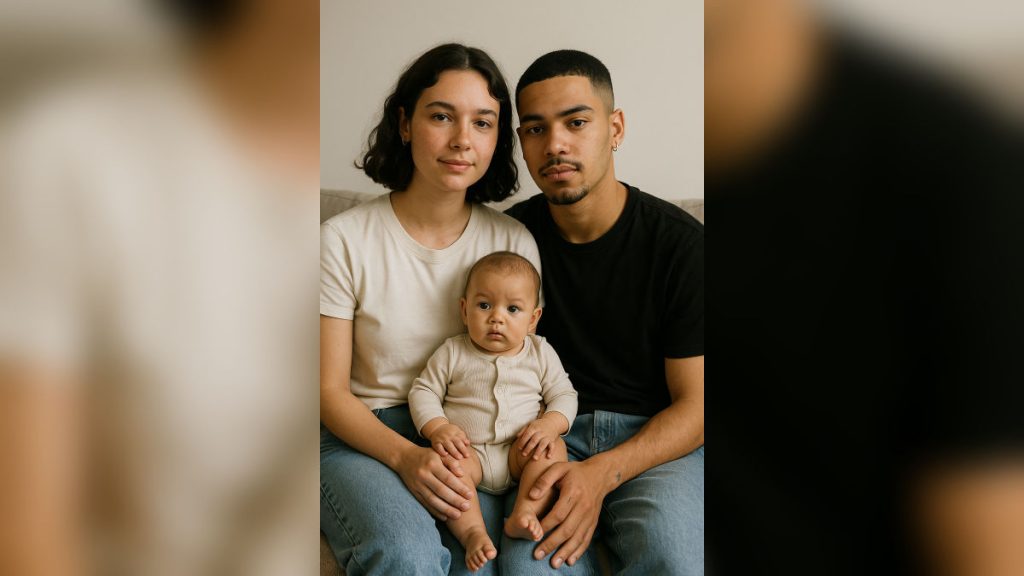
Short answer: Gen Z isn’t anti-love. They’re decoupling parenthood from marriage, and they’ve got reasons. Roughly 1 in 3 urban Indian marriages end in divorce within a decade (India Today, 2023), so this generation prizes emotional safety, financial independence and platonic co-parenting over a wedding certificate.
Traditions are getting re-examined everywhere, and Generation Z is rewriting the rulebook on love, family and what it means to commit. Marriage and parenthood used to come bundled. Not anymore. They aren’t necessarily walking away from commitment, they’re just doing it on their own terms.
Why is Gen Z saying “no thanks” to marriage?

Walk into any university campus, scroll through a Gen Z group chat, and you’ll hear it: marriage isn’t the dream it used to be. For many it feels less like a milestone and more like a gamble, with high emotional stakes and an even higher financial price tag.
Take Maya, a 24-year-old graphic designer from Mumbai. “My parents divorced after 18 years,” she says. “I watched them fight over assets, custody, even furniture. I don’t want my love story to end in a courtroom.”
It’s a story echoed across cities. Divorce rates loom large, with studies showing nearly 1 in 3 marriages in urban India end in separation within the first decade (Source: India Today, 2023). And the costs, both legal and emotional, are enough to make anyone cautious. For Gen Z, already wrestling with job insecurity and mental health pressures, marriage starts to look like a risky, outdated transaction.
Parenting without the paperwork

Here’s the twist. Gen Z isn’t ducking responsibility, they’re still having children, just without the ceremonial prelude.
“I don’t need a ring to be a committed parent,” says Ayaan, a 26-year-old filmmaker based in Bangalore. “I plan to co-parent with my best friend. We’re both emotionally intelligent, financially independent, and love kids. Isn’t that enough?”
Big shift. Parenthood, once tightly bound to wedlock, is being reimagined. The emotional labour of raising a child is now seen as a more profound and enduring commitment than the act of saying “I do.” In fact, many argue it asks for more maturity, resilience and communication, qualities Gen Z weighs above traditional norms.
What’s driving the cultural shift?
So what’s pushing this pivot?
One big factor is how institutions look to younger eyes. Marriage, once revered as a sacred rite of passage, now reads to many as an antiquated symbol of patriarchy, property transfer, and gendered expectation. Gen Z, raised on a steady diet of gender equality, mental health awareness and identity politics, is more likely to question societal defaults.
Add in the rise of “found families”, networks of friends who function as chosen support systems, and you get a generation that’s less dependent on conventional family structures. Living together, co-parenting, even platonic partnerships are no longer fringe. They’re becoming normalised ways of building a fulfilling life.
Emotional labour and ghosting culture

If Gen Z is rejecting marriage, they’re also wary of romantic relationships in general. Dating apps, hookup culture and ghosting have bred a pervasive sense of disconnection.
It’s not uncommon to hear someone say, “Everyone’s emotionally unavailable,” or “No one wants to commit.” With endless choice and a low tolerance for emotional risk, relationships often fail to take root.
Psychologists note that many Gen Zers exhibit anxious or avoidant attachment styles, fuelled by unstable childhood environments, digital overexposure, or simply the pressure to “get it right.” In such a climate, it’s no wonder that love feels fragile, and commitment elusive.
Still, it’s not that Gen Z is anti-love. They’re searching for something real, resilient, and unbound by social compulsion. They want emotional safety, mutual growth, and partners who respect their autonomy. If those conditions aren’t met, they’re content walking away.
Financial realities can’t be ignored
Let’s not forget the numbers. Weddings are pricey, often costing lakhs of rupees in India and tens of thousands of dollars elsewhere. Then there’s the risk of financial entanglement if things go south. Prenups remain taboo in many cultures, and legal protections can be biased or unclear.
Gen Z, many of whom grew up through economic recessions, the student loan crisis, and rising housing costs, simply aren’t sold on the idea of legally binding themselves in a way that could compromise their financial freedom.
Instead, they’re investing in therapy, career development and real estate, things they believe will provide more stability than a marriage licence.
Alternative relationship models are thriving

Who says love has to look one way?
For Gen Z, love is less about tradition and more about alignment. Open relationships, long-distance partnerships, platonic co-parenting, or choosing to stay single are all valid paths. These aren’t trends, they’re manifestations of a mindset that puts self-awareness and choice above social conformity.
The concept of a “soulmate” has been swapped for something more grounded: a partner who respects boundaries, supports healing, and grows with you, romantic or otherwise.
The role of mental health

Mental health weighs in too. With Gen Z being the most therapy-literate generation yet, emotional safety has become a non-negotiable.
“I’d rather be single and mentally stable than in a relationship that drains me,” says Riya, a 23-year-old student. And many agree.
Relationships, especially marriages, demand emotional bandwidth. In a generation deeply aware of its psychological wounds, people are choosing healing over settling.
Not a crisis, but a conscious choice
It’s tempting to frame all this as a crisis. Is love dying? Is Gen Z too selfish? Too cynical?
But that’s missing the point, what we’re seeing isn’t a collapse, it’s a transformation. Gen Z isn’t walking away from love, family or responsibility. They’re walking toward a version of these things that feels authentic, equitable and safe.
They’re choosing to build homes, raise children and form bonds without being shackled by outdated norms or social pressure. And in doing so, they’re forcing society to ask: what does commitment really mean?
Final thoughts: love reimagined
Marriage isn’t dead. But it’s no longer the only path to connection, family or fulfillment. Gen Z is pioneering new forms of love, messy, mindful and unconventionally beautiful.
As a society, we can either lament this shift or learn from it. Maybe it’s time to evolve our definitions, challenge our biases, and embrace the idea that love doesn’t need a label to be real.
Because at the end of the day, isn’t love about choice, not compulsion?
FAQs about Gen Z, marriage and parenthood
Why is Gen Z choosing parenthood without marriage?
Gen Z values emotional safety, financial autonomy and authentic connection over the legal and social weight of marriage. Many have witnessed costly divorces in their families, and 1 in 3 urban Indian marriages end in separation within a decade (India Today, 2023). They see parenting as a deeper commitment than a wedding certificate.
What is platonic co-parenting?
Platonic co-parenting is when two people who aren’t romantic partners agree to raise a child together, sharing responsibilities, finances and emotional labour. Filmmaker Ayaan from Bangalore says it works when both adults are emotionally intelligent, financially independent and love kids. The bond is parental, not romantic.
How does mental health shape Gen Z’s relationship choices?
Gen Z is the most therapy-literate generation yet, so emotional safety is non-negotiable. They’re aware of attachment styles, burnout and the cost of staying in draining relationships. As 23-year-old student Riya puts it, many would rather be single and stable than partnered and depleted.
Are Gen Z weddings really that expensive?
Indian weddings often cost lakhs of rupees, and Western weddings tens of thousands of dollars. Add legal entanglement, rising housing costs and student loan debt, and Gen Z would rather invest in therapy, career growth and property than a wedding day.