
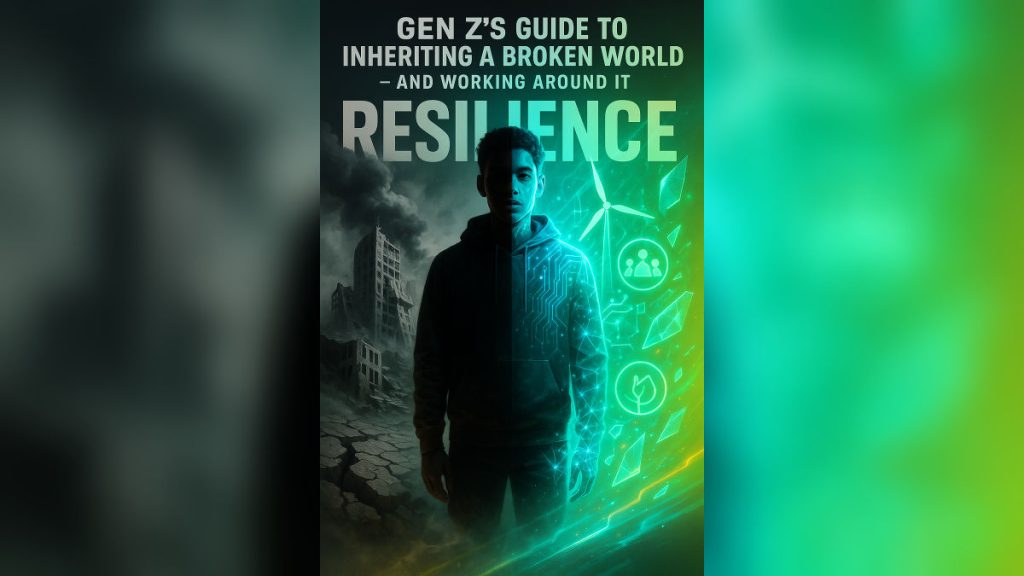
Short answer: Gen Z is inheriting climate, economic and mental-health crises stacked on top of each other — but they’re rebuilding from the inside. The playbook: name the emotional load (a 2021 Lancet survey found 59% of young people “very or extremely worried” about climate), pick one cause, pick up future-proof skills via Coursera or LinkedIn Learning, lean on community on Reddit/Discord, and treat small daily actions as quiet revolutions.
Let’s not sugarcoat it. Gen Z is inheriting a world riddled with chaos. From climate emergencies and economic uncertainty to social injustice and a mental-health crisis, the challenges are numerous and often overwhelming.
But here’s the thing: this generation isn’t backing down.
Gen Z may have been born into a broken system, but they’re not just surviving in it — they’re working to rebuild it. Armed with digital fluency, an unshakable sense of justice, and a remarkable ability to adapt, Gen Z is crafting its own blueprint for navigating and transforming the world they’ve inherited.
How does Gen Z stay resilient through the chaos?
Acknowledging the emotional load
Growing up in the shadow of climate collapse and viral pandemics has left emotional scars. It’s common to feel anxious, disillusioned, or downright exhausted. And that’s okay.
Recognising those feelings is the first step toward moving forward.
A 2021 global survey published by The Lancet found that 59% of young people felt “very or extremely worried” about climate change. Many expressed feelings of betrayal by governments and older generations. But instead of allowing that fear to paralyse them, Gen Z is learning to sit with it — and then rise.
Building inner strength
Mental resilience isn’t about being unaffected. It’s about being able to bounce back, slowly but surely.
Many Gen Zers are actively engaging in therapy, journaling, mindfulness, and peer-led mental-health conversations. Apps like Headspace, Calm and BetterHelp are being downloaded by millions. They’re not waiting for the world to slow down. They’re learning how to breathe through the storm.
As one 22-year-old environmental science student told me, “Sometimes the world feels like it’s on fire, but yoga and weekly therapy sessions give me the tools to keep showing up.”
Turning passion into purpose
Finding your cause
One of Gen Z’s defining characteristics is its refusal to be apathetic. Whether it’s climate change, racial justice, mental health or LGBTQ+ rights, young people today are finding their lanes and owning their voices.
But the key is focus.
You don’t need to fix everything at once. Identify the issues that stir your soul, then zoom in. As the old saying goes, “You can’t pour from an empty cup.” Prioritise where your energy will have the greatest impact.
Action is the antidote to despair
Activism today isn’t just picket signs and rallies (although those still matter). It’s also digital campaigns, crowdfunding efforts, educational TikToks, and community cleanups.
Take Autumn Peltier, a young Indigenous water activist from Canada. She began her advocacy at age 8 and has since spoken at the UN, fighting for clean water rights. Or consider Fridays for Future, the youth-led movement inspired by Greta Thunberg that has mobilised millions across the globe.
Gen Z understands that raising your voice, even digitally, can ripple into real change.
Gearing up with future-proof skills
Learning never stops
The world is evolving faster than any textbook can keep up with. That’s why Gen Z is becoming increasingly committed to lifelong learning.
Online platforms like Coursera, LinkedIn Learning and Skillshare allow continuous upskilling in everything from data science to social media strategy. The idea is no longer to “get a degree and you’re set.” It’s about adapting constantly to what the future demands.
In a fast-paced world, agility is currency.
Strengthening the soft stuff
While coding and tech fluency are crucial, don’t underestimate the power of soft skills. Critical thinking, emotional intelligence, creativity, collaboration — these are the traits that will set leaders apart in a post-AI world.
According to the World Economic Forum, problem-solving and adaptability are among the top 10 skills needed for the future workforce. Gen Z already shows a natural aptitude for these, through multitasking, side hustles and a near-default entrepreneurial spirit.
Building belonging through community
You’re not alone — so don’t act like it
One of the most powerful ways to combat overwhelm is through community. Whether online or in-person, shared spaces of dialogue, support and empathy can turn isolation into strength.
Platforms like Reddit, Discord and even Instagram have become unlikely hubs for peer support and activism. Gen Z isn’t waiting for permission to connect. They’re creating micro-communities of purpose wherever they are.
Think of the countless book clubs, climate collectives, and mental-health chat rooms that didn’t exist a decade ago. Now, they’re lifelines.
Giving support is just as vital
Community isn’t only about receiving support. It’s about giving it.
Listening to a friend’s struggles, showing up for someone’s art show, volunteering at a local shelter — these small acts create a fabric of solidarity. And that’s what carries Gen Z forward when the weight of the world feels unbearable.
Small steps, big ripples
You don’t need to change the entire world to make a difference. Sometimes, just changing your corner of it is enough.
- Compost at home.
- Speak up at your school board meeting.
- Mentor someone younger.
- Choose brands that align with your ethics.
- Start a podcast about something you care about.
These aren’t trivial acts. They’re the quiet revolutions that shape culture.
From inheritors to architects
Yes, Gen Z is inheriting a broken world.
But they’re also inheriting tools, platforms and global connectivity that no previous generation had. With the right mindset and a community behind them, they’re not just fixing what’s broken. They’re building something better.
Don’t wait for the world to become what you want it to be. Start shaping it today.
Because while you didn’t choose the world you were born into, you do get to choose how you respond to it.
FAQs about Gen Z and a broken world
How can Gen Z deal with climate anxiety without burning out?
Start by acknowledging the feeling — a 2021 Lancet survey found 59% of young people felt “very or extremely worried” about climate change, so you’re not alone. Pair that with daily resilience practices like therapy, journaling, mindfulness apps such as Headspace or Calm, and a focused cause where your energy can actually move the needle.
What future-proof skills should Gen Z be learning right now?
Mix hard and soft skills. Use platforms like Coursera, LinkedIn Learning and Skillshare for data science, AI, content strategy or coding. The World Economic Forum lists problem-solving and adaptability among the top 10 skills for the future workforce, alongside critical thinking, emotional intelligence and collaboration.
How does online community translate into real-world change?
Reddit, Discord and Instagram have become hubs for peer support and grassroots organising. Book clubs, climate collectives and mental-health chat rooms that didn’t exist a decade ago now feed offline mutual aid groups, fundraising efforts and youth-led nonprofits — turning shared urgency into local action.
Who are the youth activists Gen Z looks up to?
Two often-cited examples are Autumn Peltier, a young Indigenous water activist from Canada who began advocacy at age 8 and has spoken at the UN about clean water rights, and Greta Thunberg, whose Fridays for Future movement has mobilised millions of young people worldwide.
What’s the simplest way to start making a difference as a young person?
Pick small, repeatable actions: compost at home, speak up at your school board meeting, mentor someone younger, choose ethical brands, start a podcast about a cause you care about. These aren’t trivial — they’re the quiet revolutions that compound into culture change over time.